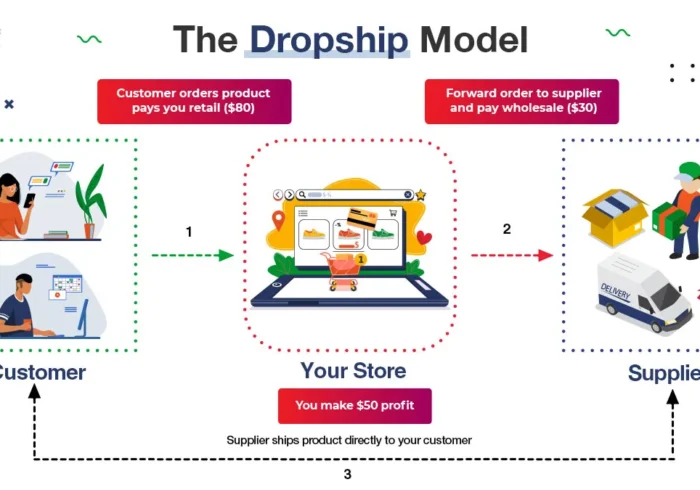
The landscape of e-commerce is constantly evolving, and for aspiring entrepreneurs, the ability to adapt is the ultimate currency. If you have been looking for an accessible entry point into the world of online retail, you have likely come across the concept of dropshipping. To create a drop shipping business today requires more than just setting up a storefront; it demands a fusion of strategic product selection, robust supplier relationships, and high-conversion digital marketing. This guide explores how to build a resilient, scalable, and profitable enterprise from the ground up, tailored for the competitive environment of 2026.
Conclusion: Building a successful dropshipping business is a journey of continuous refinement, focusing on customer experience, brand identity, and data-driven decision-making to thrive in a digital-first economy.
Table of Contents
Understanding the Foundation of Modern Dropshipping
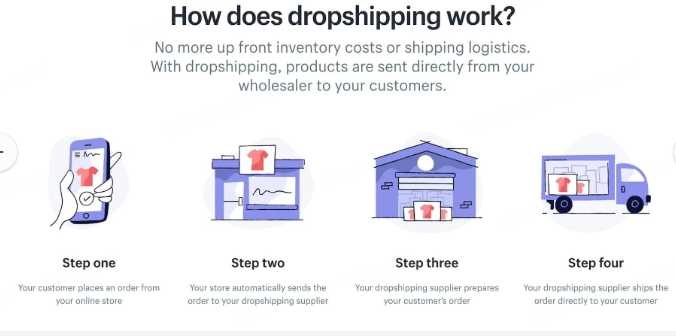
Before diving into the technical setup, it is crucial to understand what makes this business model viable in the current market. Unlike traditional retail, which requires heavy upfront capital for inventory and warehousing, dropshipping allows you to sell products directly from suppliers to consumers. When a customer places an order on your site, the supplier fulfills the request. Your profit is the difference between the price you charge the customer and the wholesale cost you pay the supplier.
Why the Model Still Works in 2026
In an era dominated by instant gratification and niche-specific demands, dropshipping provides the agility needed to test products quickly. While the barrier to entry remains low, the barrier to success has risen. Success today is not about finding “winning products” by chance; it is about building a cohesive brand that offers genuine value. When you start your journey, focus on reliability, speed, and branding. These three pillars will differentiate your store from thousands of generic shops that fail to resonate with modern shoppers who are increasingly savvy about quality and service.
Essential Mindset for E-commerce Entrepreneurs
Operating a dropshipping business is a marathon, not a sprint. You must move away from the “get rich quick” mentality. Instead, cultivate a mindset focused on operational excellence. This means meticulously managing your supply chain, ensuring your store’s user experience is seamless, and being prepared to pivot when market trends shift. By treating your dropshipping venture as a legitimate, asset-light business rather than a hobby, you position yourself to scale effectively as your revenue grows. Success requires patience, the ability to analyze metrics, and the resilience to learn from initial setbacks.
Strategic Market Research and Niche Selection
Choosing the right niche is arguably the most critical step in building a sustainable business. Many beginners fall into the trap of selling generic, “all-in-one” products that face massive competition from established giants. Instead, the strategy for 2026 is to drill down into specific, underserved segments where your marketing efforts can be laser-focused.
How to Identify High-Demand Niches
Begin by analyzing current market trends, leveraging tools that track search volume and consumer interest. Look for hobbies, professional tools, or lifestyle enhancements that solve a specific problem. A successful niche often balances high search intent with relatively low competition. Ask yourself: Is this product solving a pain point? Is it something people are passionate about? Is it difficult to find in local retail stores? If you can answer yes to these, you have found a potential goldmine. You should also look for “passion-based” niches where customers are less price-sensitive and more focused on community and quality.
Competitive Analysis as a Competitive Advantage
Never enter a market blind. Conduct thorough research on existing stores within your chosen niche. What are they doing right? Where are they failing in their customer experience? Analyze their marketing channels—are they leaning into TikTok influencers, Google Shopping, or Pinterest? Your goal is not to copy them but to identify their weaknesses. If competitors are shipping slowly, you prioritize faster suppliers. If their branding is sterile, you inject personality and lifestyle storytelling into your product descriptions. Understanding your competitor’s pricing structure and customer service reviews will help you carve out a unique position in the marketplace.
Building Your Digital Storefront
Your website is the face of your business. It is where trust is built or lost in a matter of seconds. In 2026, the technology used to create a drop shipping business has become incredibly sophisticated, often integrating artificial intelligence to help with everything from store design to automated product descriptions.
Choosing the Right E-commerce Platform
For most, Shopify remains the industry standard, offering a robust ecosystem of apps and integrations that simplify order processing and inventory management. Whether you are a technical expert or a complete beginner, platforms like these allow you to launch a professional-looking site in hours. When selecting a platform, prioritize those that offer excellent site speed, mobile optimization, and seamless connections to your chosen dropshipping suppliers. A mobile-first design is absolutely essential, as the vast majority of e-commerce traffic in 2026 originates from smartphones and social media browsing.
Designing for Conversion and Trust
Design is more than aesthetics; it is about psychology. Your site must be clean, fast, and easy to navigate. High-quality images, clear and concise product descriptions, and a transparent shipping policy are non-negotiable. Customers today are wary of “scam” sites. You can build trust by featuring authentic customer reviews, providing detailed FAQ sections, and ensuring your contact information is easily accessible. Incorporate video content directly onto product pages to showcase the item in use, as this significantly increases conversion rates. Remember, if a customer cannot find the answers they need, they will leave and find a competitor who provides them.
Optimizing the Supply Chain and Operations
The “drop” in dropshipping refers to the shipping process, which is handled entirely by your partners. Because you never handle the product yourself, your choice of suppliers will determine your business’s reputation.
Vetting Reliable Suppliers
A bad supplier is a business killer. When evaluating partners, look for those with a proven track record of quality control, consistent shipping times, and responsive communication. Many successful dropshippers utilize platforms that aggregate vetted suppliers, reducing the risk of working with unreliable sources. Never be afraid to order samples of your products. You need to see, touch, and test what you are selling to ensure it meets your quality standards before your customers do. Maintaining a healthy relationship with suppliers is a long-term investment; treat them as partners, and they will likely prioritize your orders during peak seasons.
Scaling Operations Through Automation
As your order volume grows, manual processing becomes impossible. Use automation tools to synchronize your inventory levels with your suppliers. If a product goes out of stock, your store should reflect that immediately to avoid customer disappointment. Implement automated email systems for order tracking and post-purchase follow-ups. By automating the repetitive aspects of your business, you free up your time to focus on what truly drives revenue: marketing, brand development, and strategic growth. Consider investing in inventory management software that allows for multi-channel selling and streamlined logistics, ensuring that even as you scale, the customer experience remains consistent and professional.
Marketing Strategies to Drive Traffic and Sales
A store without traffic is like a shop in the middle of a desert. Once your foundation is set, your entire focus must shift to driving targeted, high-intent traffic to your product pages.
The Power of Content and Social Commerce
In the current digital landscape, organic reach is just as important as paid advertising. Create content that educates or entertains your target audience. Use short-form video, which continues to be the dominant format for discovering new products. Partnering with micro-influencers—people who have smaller but highly engaged audiences—can be far more effective than spending your entire budget on broad, expensive advertisements. Focus on building an email list from day one; this provides you with an owned channel to communicate directly with your customers, bypassing social media algorithm changes and driving repeat purchases without extra advertising costs.
Leveraging Paid Advertising Data
When you do invest in paid ads, approach it as a data-gathering exercise. Start with a modest budget to test which products, demographics, and ad creatives resonate best. Analyze your conversion rates, cost-per-click, and return on ad spend. Be prepared to cut what is not working and double down on the ads that are actually driving sales. This iterative approach is the secret to scaling a profitable dropshipping business, turning marketing from a blind expense into a predictable revenue generator. Always focus on your Return on Ad Spend (ROAS) and ensure that your profit margins are healthy enough to sustain the ongoing costs of customer acquisition in an increasingly competitive ad environment.
Cultivating Brand Loyalty
In 2026, the most successful stores are those that move beyond one-time transactions. By offering excellent customer service, proactive communication regarding order status, and personalized follow-up emails, you turn shoppers into brand advocates. Loyalty programs, discount codes for repeat buyers, and high-value educational content related to your products can significantly increase your customer lifetime value (CLV). A brand that communicates its values and stands for something is far more resilient than one that simply sells products on price alone. Prioritize the long-term relationship with your audience, and your business will weather the storms of market volatility far more effectively than those focused on short-term gains.
Article Summary
This article provides a comprehensive guide on building a successful dropshipping business in 2026. It emphasizes transitioning from generic retail models to brand-focused, niche-specific strategies. Key sections detail market research, psychological aspects of web design, operational excellence in supply chain management, and data-driven marketing. By prioritizing reliability, high-quality content, and strong customer relationships, entrepreneurs can create a sustainable, scalable, and profitable e-commerce venture in today’s competitive digital economy.
Hot Tags:
Dropshipping Business; E-commerce Strategy; Online Retail; Niche Selection; Shopify Store; Supply Chain Management; Digital Marketing; Product Sourcing; Entrepreneurship; Business Automation; Conversion Rate Optimization; Social Commerce; Market Research; Brand Identity; E-commerce Trends; Passive Income; Customer Trust; Order Fulfillment; Influencer Marketing; Small Business; Data-Driven Marketing; Scalable Business; Online Shop; Retail Arbitrage; Dropship Suppliers; E-commerce Tools; Business Growth; Marketing Budget; Product Testing; Digital Entrepreneur
Related Questions & Answers
· Is dropshipping still profitable in 2026?
Yes, it is highly profitable, but the model has matured. Success now depends on creating a unique brand experience and offering curated, high-quality products rather than simply listing thousands of cheap, generic items.
· How much money do I need to start a dropshipping business?
While you can technically start with very little, it is recommended to have a budget of $300–$500 to cover your e-commerce platform subscription, domain registration, and an initial marketing test to understand your target audience.
· What is the most important factor in finding a good supplier?
Reliability is the most critical factor. This includes their ability to maintain quality control, provide fast and trackable shipping, and maintain clear communication to ensure your store stays in sync with their inventory.
· How can I compete with giant retailers like Amazon?
You compete by specializing. You cannot beat them on price or logistics for general goods, but you can beat them by building a community, offering expert knowledge, and curating a shopping experience that feels personal and trustworthy.
· Should I use AI in my dropshipping business?
Absolutely. AI can significantly streamline your operations, from using AI-powered store builders to generate product descriptions and images, to using analytical tools to predict trends and optimize your ad targeting.
To turn these strategies into a high-converting reality with reliable sourcing and seamless automation, visit https://looperbuy.com/ to start building your professional dropshipping empire today.