The e-commerce landscape is undergoing a monumental shift, and at the heart of this transformation lies the increasingly popular dropshipping model. Specifically, integrating professional solutions like CG Drop Shipping into your business architecture can provide the leverage needed to transition from a small side project to a scalable, global retail enterprise. By eliminating the traditional hurdles of inventory management, warehousing, and complex logistics, entrepreneurs can focus their energy on high-impact activities like marketing, brand building, and customer experience. This guide explores the strategic advantages, operational best practices, and essential insights required to master the dropshipping paradigm and drive sustainable growth in a competitive digital market.
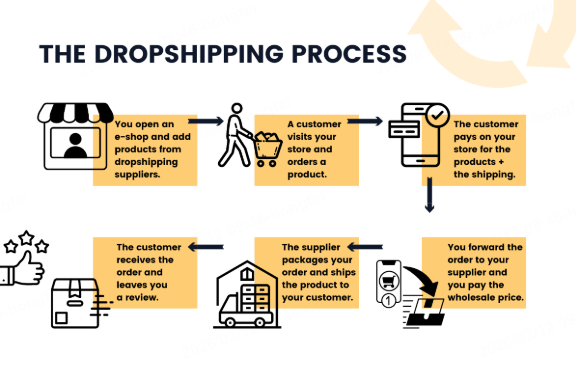
Table of Contents
The Foundations of the Modern Dropshipping Model
Dropshipping represents a fundamental departure from conventional retail fulfillment. Instead of purchasing bulk inventory upfront, store owners partner with specialized suppliers who manage product sourcing, storage, and direct-to-customer shipping. This structure inherently lowers the barrier to entry, allowing businesses to launch with minimal capital expenditure while maintaining the flexibility to pivot offerings based on real-time market trends.
How the Process Operates
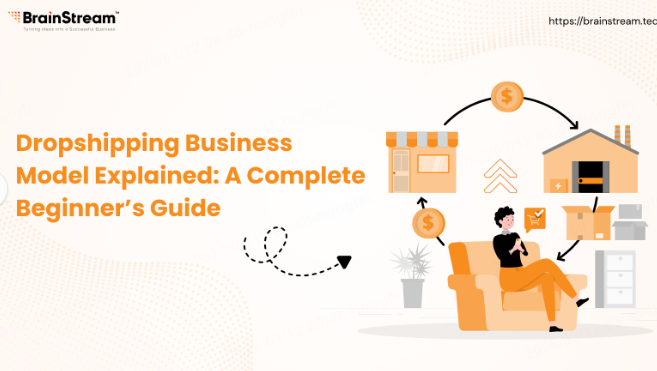
At its core, the dropshipping workflow is deceptively simple. A customer places an order on your online store and pays the retail price. Simultaneously, your dropshipping partner receives the order data, fulfills the items from their inventory, and ships them directly to your customer. You then retain the difference between the customer’s payment and the wholesale price of the product. This streamlined cycle ensures that you only pay for the goods after you have already made the sale, effectively neutralizing the risk of overstocking or tying up capital in stagnant inventory.
Key Advantages for Emerging Entrepreneurs
The primary allure of this model is its extreme scalability. Since the burden of physical fulfillment is outsourced, store owners can expand their product catalogs almost instantaneously without the need for additional physical space or administrative staff. This efficiency allows for rapid experimentation; if a specific niche or product line fails to gain traction, you can simply remove it and test a new category, incurring minimal sunk costs. Furthermore, this decentralized nature grants entrepreneurs the geographical freedom to manage their operations from anywhere in the world, requiring only a robust internet connection and a strategic vision.
Leveraging Professional Sourcing for Competitive Advantage
While the basic model is accessible, true success in a crowded market requires more than just a functional store. Leveraging platforms that provide end-to-end support—sourcing, quality control, and branded logistics—is often the differentiator between hobbyist stores and professional e-commerce brands.
The Role of Integrated Sourcing Platforms
Professional dropshipping partners offer a centralized hub that bridges the gap between massive global product databases and your individual store. These platforms often come equipped with automated features that synchronize inventory levels in real-time, preventing the common issue of overselling. Furthermore, they simplify the product selection process by providing data-driven insights into trending products, helping you identify opportunities before they become oversaturated in the market.
Mastering Customization and Branding
A common critique of basic dropshipping is the lack of physical control over the customer experience. However, advanced dropshipping services are evolving to include value-added features like custom packaging, private labeling, and even the inclusion of personalized inserts. By controlling the “unboxing experience,” you can foster customer loyalty and differentiate your brand from competitors who rely solely on generic, unbranded shipments. Requesting custom photography or video content from your sourcing partner can also provide you with unique marketing assets that look more professional than standard supplier images.
Operational Excellence and Scaling Your Business
Once you have identified a winning product niche and established a reliable supply chain, the focus must shift toward operational optimization. Scaling effectively requires moving beyond manual processes and embracing automation.
Automating the Fulfillment Workflow
As your order volume grows, manual order processing becomes a bottleneck that can lead to errors and frustrated customers. Utilizing the automation tools provided by your sourcing platform is essential. These tools can automatically route customer orders to the fulfillment center, update tracking numbers in your store dashboard, and notify customers of their package’s status. By automating these repetitive tasks, you free up significant time to focus on complex growth strategies, such as optimizing your conversion rates, refining your advertising copy, and developing comprehensive customer retention programs.
Navigating Logistics and Global Reach
One of the most critical aspects of global dropshipping is navigating international logistics. Working with a supplier that maintains regional warehouses across key markets (such as the US, Europe, and Southeast Asia) is a massive advantage. This localized presence significantly reduces shipping times, which is a major factor in customer satisfaction and repeat purchase behavior. Being able to offer fast, predictable shipping, even when the underlying business is dropshipping, creates a sense of reliability and trust that is essential for building a long-term, reputable e-commerce business.
Advanced Strategies for Sustainable Growth
To truly dominate your chosen niche, you must look beyond the initial setup and implement sophisticated growth tactics. Scaling is not merely about increasing traffic; it is about increasing the lifetime value of every visitor who lands on your site.
Data-Driven Product Selection
Successful dropshippers rarely guess what to sell. They use analytical tools provided by their fulfillment partners to track search volume, competitive saturation, and profit margins. By analyzing historical data, you can identify seasonal peaks and emerging trends, allowing you to stock your store with products that have high demand but manageable competition. This data-backed approach minimizes the risk of testing “dead-end” products and focuses your marketing budget on items with proven sales potential.
Enhancing Customer Lifetime Value (CLV)
In the world of dropshipping, where customer acquisition costs on platforms like Facebook or Google are constantly rising, focusing on CLV is vital. Once you have acquired a customer, you should use email marketing, loyalty programs, and personalized retargeting to encourage repeat business. A one-time buyer is a cost, but a loyal customer is an asset. By nurturing these relationships, you create a self-sustaining ecosystem where the profit from repeat orders covers your ongoing advertising expenses, allowing your business to scale profitably without solely relying on expensive new traffic.
Overcoming Common Hurdles in Dropshipping
Every business faces challenges, and dropshipping is no exception. However, being aware of these potential pitfalls allows you to implement preventative measures.
Maintaining Quality Control
One of the biggest concerns for dropshippers is the quality of the products shipped. Since you do not physically handle the items, you must rely on your supplier. To mitigate this, always order samples of your best-selling items to verify their quality before fully committing to them. Furthermore, choosing a supplier that performs pre-shipment inspections ensures that every package leaving the warehouse meets your brand’s standards.
Managing Expectations and Communication
Customer service is often the make-or-break factor in dropshipping. If a shipment is delayed, proactive communication is your best defense. Instead of waiting for a customer to email you about a missing package, send automated updates that provide real-time tracking information. Transparency builds trust. Even when things go wrong, a quick, honest, and helpful response from your customer service team can convert a frustrated customer into a brand advocate.
Building a Customer-Centric Brand Strategy
In the long run, your brand identity will be your most valuable asset. The dropshipping model is often criticized for a “disposable” approach to products, but successful merchants treat their stores as full-fledged brands.
Cultivating Trust and Communication
Because you do not handle the product directly, clear communication with your customers is non-negotiable. Being transparent about shipping times, providing proactive updates on order status, and having a well-defined returns policy are fundamental components of maintaining customer trust. If an issue arises with an order—whether it is a delay or a product defect—handling the resolution quickly and professionally can often turn a potentially negative experience into a positive demonstration of your brand’s commitment to customer service.
Long-Term Sustainability and Value
Sustainable growth in dropshipping comes from moving from a focus on one-off sales to developing a customer base that returns for repeat purchases. This requires a shift in mindset: focus on curation over chaos. Instead of trying to sell everything to everyone, build a cohesive store that serves a specific audience. By consistently delivering value, quality, and a unique shopping experience, you ensure that your dropshipping enterprise is built on the same foundations as any other successful retail business.
Conclusion
In summary, mastering the dropshipping model involves leveraging professional, integrated solutions to overcome the inherent limitations of the retail fulfillment chain. By focusing on smart sourcing, automated operations, and a relentless commitment to branding and customer service, you can build a highly scalable, profitable business. The key to long-term success lies in evolving beyond simple product arbitrage and creating a genuine, trusted brand that delivers value, ensuring that your store remains competitive regardless of how the broader market landscape shifts.
Start scaling your global e-commerce empire today by leveraging Looperbuy’s seamless automation and reliable fulfillment solutions at https://looperbuy.com/
Summary
This article offers an in-depth analysis of the dropshipping business model, highlighting its core advantages such as scalability and low overhead. It explores how leveraging professional sourcing platforms can provide a competitive edge through inventory automation, custom branding, and global logistics. The guide emphasizes the importance of transitioning from simple fulfillment to a customer-centric brand strategy, covering everything from operational efficiency to building long-term loyalty for sustainable e-commerce success.
Hot Tags:
Dropshipping; E-commerce Strategy; Product Sourcing; Order Fulfillment; Business Scalability; Private Label; Online Retail; Supply Chain Management; Automated Dropshipping; Customer Experience; E-commerce Automation; Brand Building; Niche Selection; Global Logistics; Profit Margins; Digital Marketing; Retail Fulfillment; Sustainable Business; Inventory Management; Startup Tips; Cross-Border E-commerce; Order Processing; Customer Loyalty; Unboxing Experience; Market Trends; E-commerce Growth; Dropshipping Tools; Online Store Management; Entrepreneurship; Conversion Rate Optimization
Related Questions & Answers
· Is dropshipping still profitable in the current market?
Yes, it remains profitable, but the approach has shifted from simple arbitrage to building a genuine brand. Success now requires better product curation, reliable supplier partnerships, and superior customer service.
· How can I avoid long shipping times when dropshipping?
The most effective way is to partner with suppliers that have localized warehouses in your target regions, such as the US or Europe. This allows for faster shipping directly from your destination market.
· Do I need a formal business entity to start dropshipping?
While you can often start as an individual, registering a formal business entity is recommended as you scale to protect your personal assets, handle taxes legally, and gain access to professional merchant tools.
· How do I handle customer returns in a dropshipping business?
You should establish a clear return policy on your website. Usually, you coordinate with your supplier to handle the return, or you provide a refund while allowing the customer to keep the item if the cost of return shipping is prohibitive.
· What is the most important factor in choosing a dropshipping supplier?
Reliability is paramount. You need a supplier that offers consistent product quality, clear communication, robust automation tools, and the ability to scale with your order volume without sacrificing service.