The allure of sterling silver has captivated humanity for centuries, offering a perfect harmony of luster, durability, and affordability. Among the most popular iterations of this precious metal is the 925 silver ring. Whether you are shopping for a minimalist band, a sophisticated engagement ring, or a statement piece adorned with gemstones, understanding the pricing structure of these items is essential for any discerning consumer. Unlike gold or platinum, which often carry high premiums dictated by rapid market fluctuations, 925 silver occupies a unique space in the jewelry market that balances luxury with accessibility. To navigate this landscape effectively, one must look beyond the initial price tag and consider the intricate factors that define the true value of a piece.
Table of Contents
The Chemistry and Craftsmanship of 925 Silver
To understand why a 925 silver ring price can vary so drastically from one jeweler to another, one must first understand what the term actually signifies. Pure silver is exceptionally soft and malleable, making it unsuitable for everyday jewelry that needs to maintain its shape under stress. This is why jewelers use an alloy, specifically 92.5% pure silver mixed with 7.5% of other metals, usually copper. This combination, known as sterling silver, provides the necessary structural integrity for intricate designs while retaining the bright white color that silver is prized for.
Material Purity and Quality Control
The base cost of the silver itself is relatively standardized according to global market commodity prices. However, the quality of the alloy can vary. High-quality sterling silver uses copper as the secondary metal, which is the industry standard for durability. Cheaper, lower-quality imitations may use fillers like nickel, zinc, or lead, which not only reduce the cost of production but can also cause skin irritation or allergic reactions in sensitive wearers. When you are looking at a 925 silver ring price, you are often paying for the assurance that the alloy is clean, high-grade, and free from harmful impurities. Premium manufacturers subject their alloys to rigorous testing to ensure uniform consistency throughout the metal, which prevents soft spots or brittle sections in the final ring structure.
Complexity of Design and Labor Costs
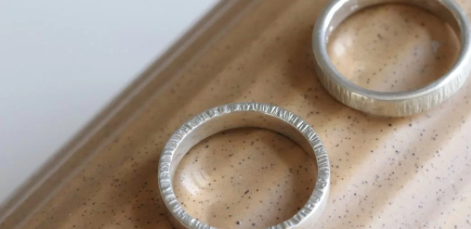
A significant portion of the cost of a silver ring is attributed to the labor involved in its creation. A simple, mass-produced band created via machine casting will naturally be cheaper than a hand-carved, artisanal piece. When artisans spend hours hammering, soldering, and polishing a piece to perfection, that labor is reflected in the final retail price. Intricate filigree work, detailed engravings, or complex settings for gemstones all require a level of skill that justifies a higher price point. In this sense, a silver ring is not just a weight of metal; it is a wearable piece of art. Artisanal pieces often involve techniques like lost-wax casting or hand-burnishing, which add hours of labor and specialized expertise to the process, thereby elevating the value beyond the raw material cost.
The Influence of Gemstones and Surface Treatments
While the silver band itself provides the foundation, the addition of other materials often plays a larger role in determining the final price tag than the metal itself. Gemstones are frequently paired with silver, and their quality, carat weight, and authenticity can cause the price to swing wildly.
The Gemstone Factor
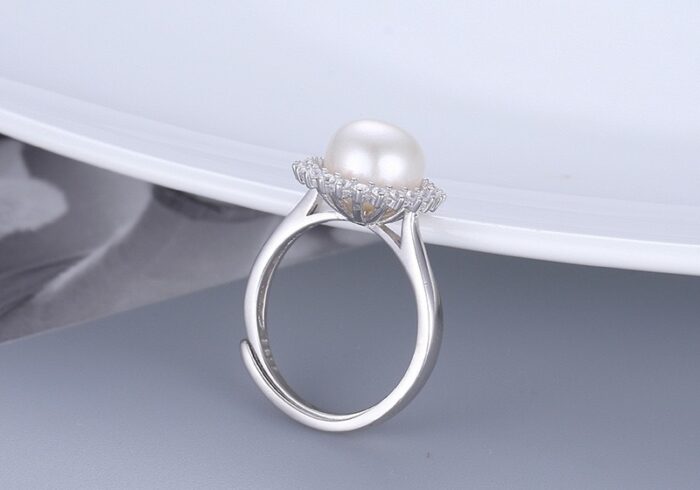
A plain 925 sterling silver ring will generally fall into a lower price bracket. Introduce a genuine sapphire, emerald, or high-quality cubic zirconia, and the cost structure changes. When evaluating a ring, check whether the stone is a natural, mined gemstone or a synthetic, lab-created alternative. Natural stones are priced based on clarity, cut, color, and carat weight, which can multiply the cost of the ring exponentially. Conversely, lab-created stones or glass imitations are significantly more affordable, making them a popular choice for fashion-forward buyers who prioritize aesthetics over investment value. Furthermore, the setting style of these stones—such as prong, bezel, or pavé—requires varying degrees of precision and time, which further influences the total retail price.
Platings, Finishes, and Enhancements
To enhance the beauty and longevity of the silver, many manufacturers apply various coatings. One common treatment is rhodium plating, which provides a mirror-like finish and helps prevent the natural tarnishing process that silver undergoes when exposed to air. While this plating adds a layer of protection, it also adds to the production cost. Other finishes, such as oxidation (which gives silver an antique or darkened appearance) or gold vermeil (a thick layer of gold over silver), also impact the price. Each of these enhancements serves a specific aesthetic purpose and requires additional manufacturing steps that the consumer pays for at the checkout counter. Understanding the maintenance required for these coatings is vital, as re-plating may be necessary over time to maintain the original look of the ring.
Brand Perception and Market Positioning
It is an undeniable reality of the retail industry that brand identity influences pricing. A 925 silver ring sold by a luxury designer house will almost always command a higher price than a near-identical piece found at a local boutique or a mass-market retail store.
The Cost of Brand Legacy
When you purchase jewelry from a renowned brand, you are paying for more than just materials and labor. You are paying for the brand’s reputation, their marketing campaigns, their customer service guarantees, and the prestige associated with wearing their logo. This premium is often termed the “brand markup.” For many buyers, this is a valid expense, as it often comes with a guarantee of authenticity, ethical sourcing, and a higher standard of after-sales support, such as free cleaning or repair services. Establishing trust is a significant part of the luxury market, and consumers often choose to pay extra for the security and social status that a well-known brand provides.
Retail Channels and Overhead
Where you choose to buy your ring also plays a critical role in the final price. Brick-and-mortar retail stores have significant overhead costs, including rent, utilities, and sales staff, all of which are factored into the price of their merchandise. In contrast, online-only retailers often operate with leaner business models, which allows them to offer competitive pricing. However, shopping online comes with its own set of challenges, such as the inability to try the piece on for fit or inspect the quality of the finish in person. A balanced approach is to research the reputation of the seller thoroughly, regardless of whether they operate in a physical or digital space. Always look for customer reviews, return policies, and clear disclosures regarding metal composition to ensure you are getting exactly what you pay for.
The Long-Term Value and Maintenance Perspective
Beyond the immediate price, one must consider the longevity of a 925 silver ring. Sterling silver is an investment in wearable history; with proper care, it can last for generations. The value of a piece is intrinsically linked to how well it withstands the test of time.
Durability and Daily Wear
Because silver is a softer metal, it is prone to minor scratches and dents during daily activity. However, these “wear marks” are often seen as part of the character of the piece by many enthusiasts. The structural durability of a well-made sterling silver ring means that it is unlikely to snap or lose its shape under normal conditions. When evaluating price, consider the thickness of the band and the quality of the solder points, as these are indicators of how long the piece will remain intact. A heavier, thicker ring is generally more durable than a delicate, thin-walled band, justifying a higher price tag through its physical longevity.
Investment vs. Fashion
It is important to manage expectations regarding silver as an investment. Unlike high-karat gold or rare gemstones, silver is primarily a fashion metal rather than an asset-class investment. While the intrinsic value of the silver metal is stable, the resale value of a silver ring is often significantly lower than the retail purchase price due to the markup for design, branding, and labor. Therefore, the best value for a consumer comes from finding a piece that brings personal joy and fits their lifestyle, rather than expecting a significant financial return on the item in the future.

Conclusion
Determining the appropriate price for a 925 silver ring requires a holistic view of the factors involved. By balancing the intrinsic cost of high-grade silver, the intensive labor of skilled craftsmanship, the value of added gemstones or finishes, and the positioning of the brand, you can make an informed decision that aligns with both your budget and your expectations for quality. Whether you are seeking a timeless investment or a seasonal fashion accessory, understanding these components empowers you to shop with confidence, ensuring you receive true value for your purchase in a market filled with diverse and exciting options.
How to purchase:Online B2B sourcing platform, China purchase, Chinese suppliers – LooperBuy
Related Questions & Answers
· What is the standard price range for a simple 925 silver ring?
Simple sterling silver bands can vary greatly, but they generally range from $20 to $100 depending on the design complexity, brand, and where you shop. Very inexpensive items found online may be lower, but often lack the weight or finish quality of those in the mid-range.
· Does a higher price always mean better quality?
Not necessarily. While a higher price can reflect superior craftsmanship, better quality materials, or the use of genuine gemstones, it can also be inflated by brand premiums or heavy retail markups. It is crucial to evaluate the piece’s construction and material quality rather than relying solely on the price tag.
· Why does sterling silver tarnish over time?
Tarnish is a natural chemical reaction that occurs when the copper content within the sterling silver alloy reacts with moisture and sulfur in the air. This is not a sign of poor quality, but rather an inherent characteristic of the metal. Regular cleaning and proper storage can significantly slow this process.
· How can I tell if a ring is truly 925 sterling silver?
Authentic 925 sterling silver should always be hallmarked with a stamp that reads “925,” “925S,” or “Sterling.” Additionally, you can perform simple tests like checking if it attracts a magnet (silver is non-magnetic) or looking for any discoloration or flaking that might reveal a base metal underneath.
· Is it worth paying more for rhodium-plated silver?
Yes, if you want your ring to maintain a bright, high-shine appearance and resist tarnishing for a longer period. Rhodium is a precious metal in the platinum family, and its application creates a durable barrier that protects the underlying silver from the elements.
Hot Tags:
SterlingSilverJewelry, PreciousMetalValue, SilverRingPricing, JewelryCraftsmanship, GemstoneJewelryCost, EthicalJewelrySourcing, SilverAlloyQuality, LuxuryJewelryMarket, AffordableLuxuryFashion, RhodiumPlatedSilver, JewelryBuyingGuide, SterlingSilverDurability, RetailMarkupAnalysis, ArtisanJewelryDesign, SilverTarnishPrevention, FineJewelryInvesting, JewelryAuthenticityTips, ModernAccessoryTrends, ValueForMoneyJewelry, HighQualitySilverBands, JewelryMaintenanceAdvice, SterlingSilverCharacteristics, CustomSilverRings, OnlineJewelryShopping, MetalPurityTesting, SilverHallmarksGuide, SustainableJewelryBuying, FashionJewelryInvesting, AffordablePreciousMetals, JewelryRetailEconomics