When you walk into a mobile carrier store to upgrade your phone, the experience is rarely limited to just choosing a new handset. Almost inevitably, the conversation turns to accessories, and front and center among these is the tempered glass screen protector. Sales representatives often emphasize the fragility of modern high-resolution displays and the astronomical costs of screen repairs, creating a sense of urgency to protect your investment immediately. But is purchasing a high-priced tempered glass screen protector directly from a T-Mobile store truly worth it, or are you paying for convenience and high margins rather than superior performance?
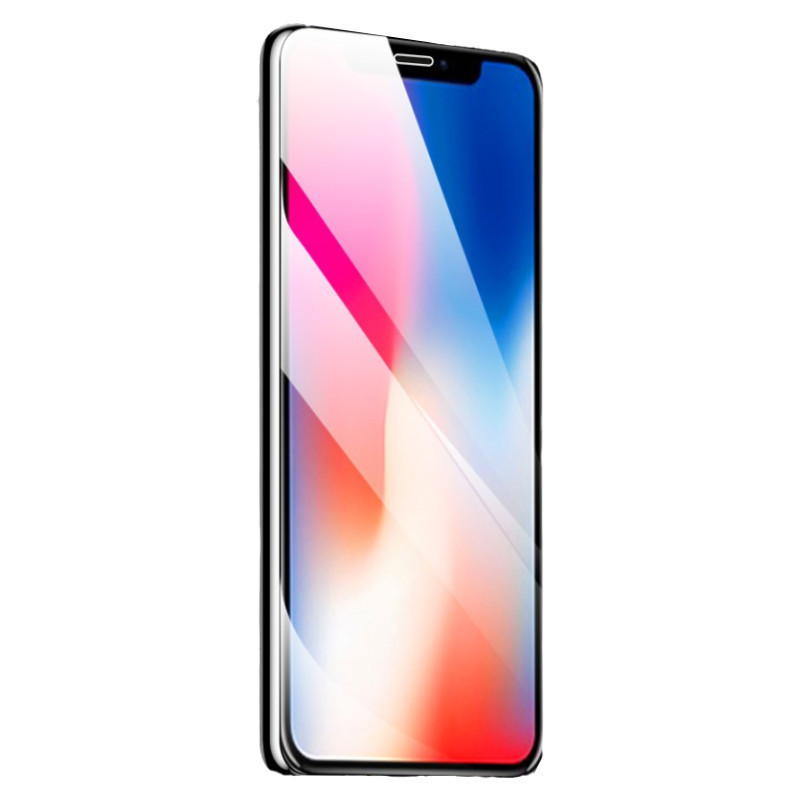
Table of Contents
The Reality of Screen Durability Today
Modern smartphones are marvels of engineering, utilizing advanced glass technologies that are significantly more durable than the displays of a decade ago. Manufacturers invest heavily in materials designed to resist both deep scratches and shattering under impact. However, despite these advancements, the physics of glass remains unchanged. While these screens are incredibly tough, they are not invincible. A drop onto concrete at an unlucky angle or contact with abrasive materials like sand or metal keys in your pocket can still result in permanent damage.
The primary function of a tempered glass protector is to act as a sacrificial layer. By absorbing the energy of an impact or taking the brunt of a scratch, the protector is designed to fail so that your underlying device screen does not have to. In theory, this is an excellent value proposition. Replacing a twenty-dollar sheet of glass is infinitely more cost-effective than repairing a display panel that might cost hundreds of dollars, depending on your device model and insurance status.
Examining the Carrier Store Experience
One of the most common reasons customers agree to purchase accessories at a carrier store is the perceived value of in-store installation. Applying a glass protector perfectly, without trapping dust particles or air bubbles, requires a steady hand and a clean environment. Store employees often have experience with these installations, and they can provide a seamless look that many users struggle to achieve at home. For some, the cost of the screen protector is essentially a fee for professional application and the peace of mind that it was done correctly the first time.
However, it is crucial to recognize that the price tag at a retail carrier store is rarely competitive with what you would find online. When you buy a screen protector at a carrier shop, you are paying for the physical product, the retail space, the labor of the staff, and the convenience of walking out with a fully protected device. Conversely, online marketplaces are flooded with options that often originate from the same manufacturers but are sold without the retail markup. If you are comfortable cleaning your screen and following instructions, you can often acquire identical or near-identical protection for a fraction of the cost.
The True Cost vs. Value Equation
The decision to purchase often comes down to an assessment of your own habits and financial situation. If you are someone who frequently drops their phone or keeps it in a bag filled with potential scratch hazards, the argument for immediate protection is strong. Having the screen protected before you even leave the store prevents those initial minor scuffs that can occur during the first few days of ownership. For a high-end flagship phone, a fifty or sixty-dollar investment to avoid a three-hundred-dollar repair is statistically sound.
On the other hand, the frustration many users express often stems from the premium pricing combined with the realization that even these protectors can scratch or break. It is important to remember that tempered glass is not immune to damage. A major impact will still crack the protector, and even premium glass can develop micro-scratches over time. Some customers report feeling misled by the “guarantee” of protection, only to find that their screen protector looked beat up within a week of use. This highlights that while they are useful, they are not a magic shield that renders your phone invincible.
Beyond the Marketing Hype
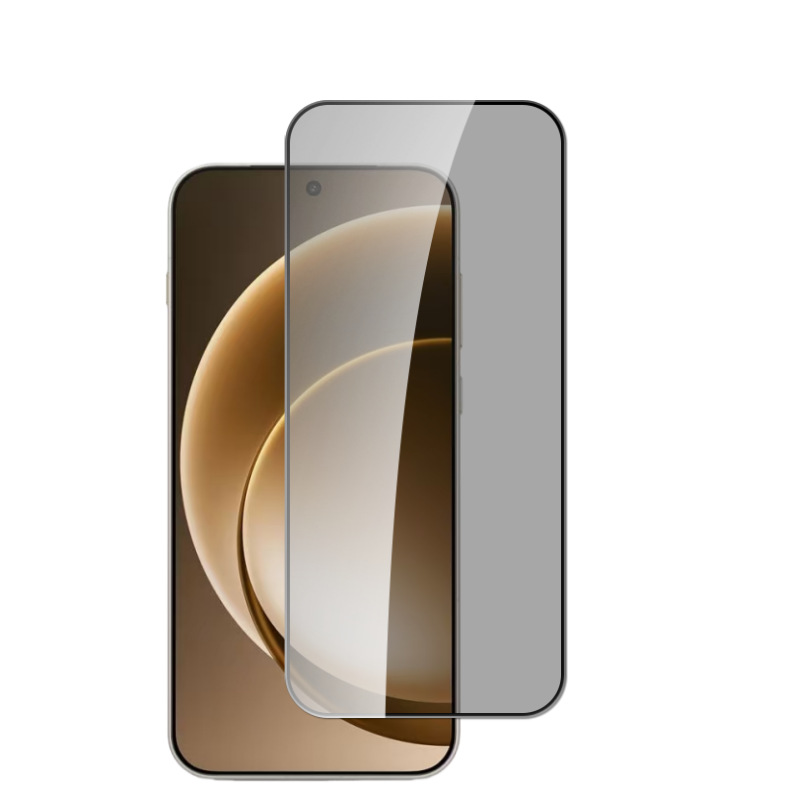
When evaluating whether to buy in-store, it is helpful to peel back the layers of marketing language often used in retail environments. Phrases like “military-grade,” “impact-resistant,” or “shatter-proof” are frequently tossed around. While these terms sound impressive, they often lack standardized scientific definitions when applied to thin layers of tempered glass. All high-quality glass protectors undergo a tempering process—a thermal or chemical treatment that increases the glass’s strength—but that does not change the fundamental chemical makeup of the material.
Furthermore, the “warranty” often provided by carrier-sold accessories can be a double-edged sword. While some programs offer free replacements for the lifetime of the device, you must factor in the potential shipping fees, the effort of registering the product, and the downtime while waiting for a replacement. In many cases, customers who buy cheaper alternatives online find they can purchase three or four separate protectors for the price of a single premium carrier-branded option. If the online protector lasts three months and the premium one lasts six, the math rarely favors the expensive in-store purchase.
Impact of Installation Precision
The quality of the installation is perhaps the most significant factor in user satisfaction. A high-quality protector applied incorrectly will feel terrible, look ugly, and potentially peel prematurely. This is where the retail store experience creates a unique value. The staff often uses alignment trays or specialized tools that virtually guarantee a perfect placement every time. For those with limited dexterity, poor eyesight, or simply those who struggle with the anxiety of applying a screen protector, this service has real, tangible value.
Conversely, technology has advanced significantly in the DIY space. Many modern screen protectors now come with “easy-apply” trays that make the process almost foolproof. You simply clean the screen, peel the backing, drop the tray onto the phone, and press down. If you are willing to spend five minutes watching a tutorial video online, you can achieve results that are practically indistinguishable from a professional store installation. By bypassing the carrier markup, you aren’t just saving money; you are often getting a kit that is designed to empower you to handle the task yourself.
Considering the Long-Term Aesthetic
A common complaint about cheaper screen protectors is their tendency to yellow over time or lose their oleophobic coating—the specialized layer that keeps the glass smooth and resistant to fingerprints. Premium protectors sold in retail stores often boast superior coatings that last longer. If you are the type of user who notices every smudge and ghost-print on your display, you might find that the higher price of a premium protector pays off in a consistently cleaner user experience.
However, even the most expensive glass will eventually succumb to wear and tear. The oleophobic coating is a chemical application that naturally abrades off through contact with your skin, pockets, and cleaning cloths. Regardless of whether you paid five dollars or fifty dollars, the “smoothness” of the screen will degrade over several months of heavy use. Understanding this cycle helps manage expectations. If you accept that a screen protector is a consumable item, it becomes much easier to lean toward the more economical options that can be replaced frequently without breaking the bank.
Making an Informed Decision
Ultimately, the choice hinges on whether you value immediate convenience over cost efficiency. If you are in the store and want the job done professionally before you start using your new device, the carrier option is convenient. If, however, you have a bit of patience and are willing to handle the installation yourself, browsing the internet for highly rated, third-party tempered glass alternatives can save you a significant amount of money over the life of your device. By understanding that the core function of the product is universal, you can make the decision that best aligns with your budget and your lifestyle.
The market for accessories is vast and highly competitive, which works to the consumer’s advantage. Don’t be pressured by the urgency of a sales pitch. Your phone is yours, and you are free to explore all options, from the budget-friendly online market to the premium in-store services, to find the balance of protection and price that makes you the most comfortable.

Conclusion
The utility of a tempered glass screen protector is undeniably profound in its capacity to serve as a sacrificial barrier for your smartphone’s vulnerable display. When you opt for a screen protector, you are essentially purchasing an insurance policy against the daily hazards of sand, keys, and accidental drops that threaten the longevity of your device’s pristine glass. However, the debate over whether to buy these accessories from a carrier store like T-Mobile versus utilizing third-party online alternatives is a multifaceted issue that pits the convenience of professional, in-store installation against the undeniable financial efficiency of the DIY model.
Ultimately, deciding if these protectors are “worth it” requires a sober self-assessment of your own lifestyle needs, budget constraints, and personal tolerance for technical tasks. If you possess a high-end device and prioritize an immediate, flawless, and stress-free application process—viewing the added cost as a service fee rather than just a markup on glass—then the carrier experience is perfectly valid. Conversely, if you are a budget-conscious consumer who understands that the fundamental protective technology is standardized across the industry, the online marketplace offers a wealth of high-quality, inexpensive solutions that make the premium in-store price difficult to justify. You are not just paying for a sheet of glass; you are paying for a service level, and identifying whether that service level brings actual peace of mind to your daily routine is the true key to determining value in this accessory market.
How to purchase:Online B2B sourcing platform, China purchase, Chinese suppliers – LooperBuy
Related Questions & Answers
· Does the brand of the tempered glass protector really matter?
While some premium brands use higher-quality glass materials, more precise oleophobic coatings, and better adhesive layers, the fundamental protection offered by most 9H-rated tempered glass products is very similar. The difference is often found in the ease of installation, clarity, and how well it resists fingerprint smudges.
· Can a tempered glass protector prevent my screen from cracking?
It provides a high level of protection against surface-level scratches and can mitigate damage from certain impacts. However, it cannot guarantee that your actual screen will not break in a severe fall, especially if the phone lands directly on an edge or suffers a high-velocity impact.
· Are there better alternatives to tempered glass?
For most users, tempered glass is considered the gold standard because it mimics the feel of the original screen and offers good scratch resistance. While plastic film protectors are cheaper and harder to shatter, they feel less premium and offer very little impact protection.
· Is the professional installation at the store worth the extra money?
If you have ever struggled with air bubbles or misaligned protectors, the store installation is worth it for the peace of mind and the professional finish. If you are confident in your ability to follow instructions and clean your screen thoroughly, you are likely overpaying for the service.
· How often should I replace my screen protector?
You should replace it whenever the protector becomes significantly cracked or chipped, as it loses its structural integrity. Additionally, if the protector has become heavily scratched or the oleophobic coating has worn off, making it feel “sticky” or difficult to clean, replacing it will restore the phone’s tactile quality.
Hot Tags:ScreenProtector, TemperedGlass, SmartphoneProtection, TMobileAccessories, MobileInsurance, ScreenRepair, DeviceSafety, PhoneCare, AccessoryValue, ScreenLongevity, TechMaintenance, BudgetGadgetTips, MobileGearReviews, GlassHardness, ImpactResistance, DIYPhoneCare, RetailMarkupAnalysis, DisplayShielding, AccessoryInvestment, SmartShoppingTech, ScreenCareRoutine, DeviceLongevity, ProtectiveAccessories, TechConsumerAdvice