Conclusion: Boiled wool coats are the pinnacle of functional fashion, blending Alpine heritage, incredible durability, and natural, eco-friendly performance into a garment that remains stylish regardless of passing trends. By understanding the unique properties of this dense, felted fabric—its wind resistance, water repellency, and insulating warmth—it becomes clear why these coats are a cornerstone of any sustainable, cold-weather wardrobe.

Table of Contents
Understanding the Craft Behind Boiled Wool
At its heart, boiled wool is a textile transformed by the simple, ancient power of heat and agitation. Unlike standard woven wool, which relies on looms to create structure, boiled wool begins as a knit fabric. This foundational step is crucial to its final character. When this knitted fabric is submerged in hot water and mechanically agitated, the natural scales on the wool fibers expand and then lock together—a process similar to felting, but one that preserves a unique elasticity and softness that fully felted wool sometimes lacks.
The Science of the Boil

The boiling process is not merely a method for shrinking; it is an engineering feat that completely alters the textile’s physical properties. As the fabric agitates in the water, it undergoes a dramatic reduction in size, becoming significantly denser and more compact. This transformation is what makes boiled wool a powerhouse for outerwear. The resulting material is not only thicker and more insulating but also gains a natural structural integrity. Because the fibers are physically interlocked rather than just woven, the fabric edges do not fray when cut, allowing for clean, raw-edge design finishes that define many modern boiled wool coat styles.
A Heritage of Durability
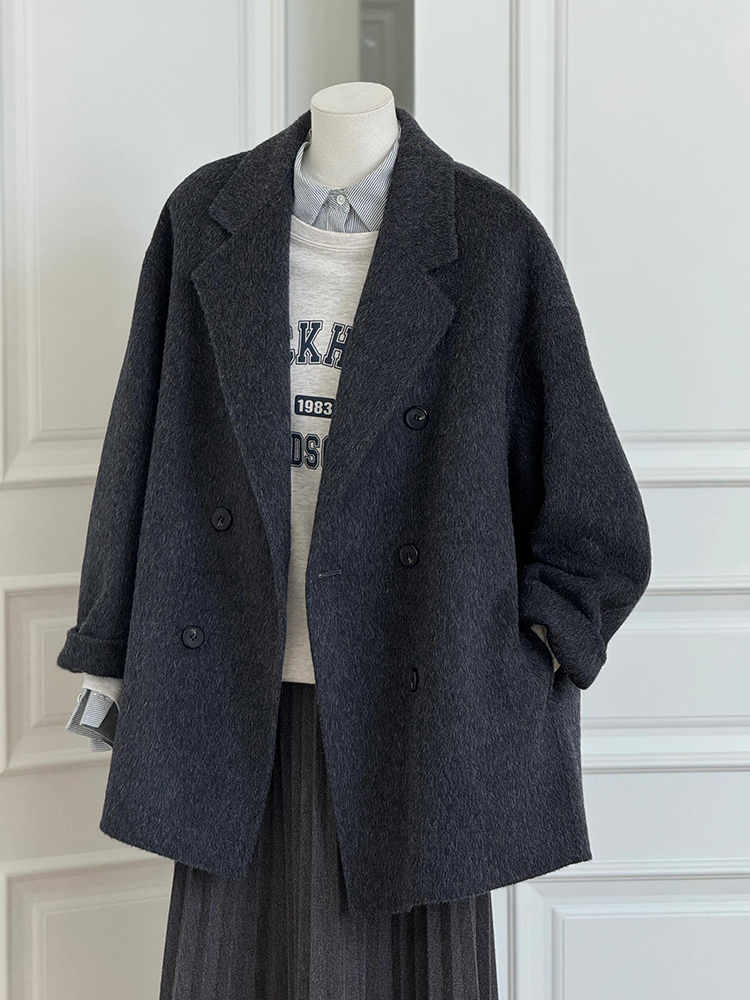
The roots of boiled wool are firmly planted in Alpine culture, specifically in regions where harsh winters demand clothing that can withstand relentless wind, sporadic snow, and damp conditions. For centuries, shepherds and mountain dwellers relied on this dense fabric to survive in extreme environments. Today, that same heritage provides a solution for modern urban dwellers. The density created during the boiling process makes it exceptionally robust. It is a fabric that refuses to pill easily, resists snagging, and holds its shape year after year, making a well-crafted boiled wool coat a long-term investment rather than a disposable seasonal purchase.
Why Boiled Wool Coats Dominate Winter Wardrobes
When searching for the perfect winter layer, the balance between aesthetics and utility is often elusive. Boiled wool coats solve this dilemma by offering a tactile richness that synthetic fabrics cannot replicate. Their popularity stems from their versatility; they are equally suited for casual weekend outings with jeans as they are for elevating a professional ensemble during a commute.
Natural Performance in Challenging Weather
One of the most impressive traits of boiled wool is its performance in unpredictable weather. While no wool is entirely waterproof, boiled wool is naturally water-repellent due to the lanolin content remaining in the fiber and the extreme density of the weave. Water beads on the surface rather than soaking in immediately, providing protection against light rain or snow flurries. Furthermore, this density creates a formidable barrier against wind. In biting winter conditions, it is often the wind chill that makes cold temperatures unbearable; a boiled wool coat acts as a shield, trapping heat while simultaneously allowing the skin to breathe—a critical advantage that synthetic fleeces often lack.
The Aesthetic of Simplicity
From a design perspective, the unique characteristics of boiled wool allow for a minimalist aesthetic that is inherently sophisticated. Because the fabric does not require traditional hemming to prevent fraying, designers often utilize raw edges, draped collars, and unlined structures that highlight the beauty of the material itself. This leads to silhouettes that are often unstructured and fluid, providing a comfortable, generous fit that accommodates layering—perfect for those who want to wear thick sweaters underneath without feeling restricted. The matte texture of the wool also provides a beautiful, subtle depth of color, whether in deep, earthy tones or vibrant, bold shades.
Styling Your Boiled Wool Coat for Every Occasion
The versatility of the boiled wool coat makes it a dream for the minimalist stylist. Its clean lines and substantial texture allow it to bridge the gap between casual comfort and formal elegance with ease. Whether you are navigating a bustling city center or attending a winter garden party, the boiled wool coat serves as the perfect finishing touch.
Casual Daywear
For everyday errands, consider pairing an unlined, oversized boiled wool coat with your favorite high-quality denim and a chunky knit turtleneck. Because the coat has a natural, matte finish, it grounds the outfit, adding a touch of intentionality to what might otherwise be a simple look. Opting for neutral shades like camel, charcoal, or oatmeal makes the coat an incredibly flexible piece that coordinates with almost anything in your existing closet.
Professional Sophistication
When transitioning to a corporate or professional setting, a structured, single-breasted boiled wool coat provides a professional, sharp look without the rigidity of traditional tailored wool. It hangs beautifully over trousers or shift dresses, offering warmth during the morning commute without sacrificing a sleek silhouette. The fabric’s inherent weight ensures that it drapes elegantly, projecting a sense of refined, quiet luxury. Adding a silk scarf or a leather belt can further elevate the coat’s look, demonstrating that warmth doesn’t mean compromising on style.
Evening Elegance
Beyond day-to-day wear, the boiled wool coat can act as a sophisticated evening layer. A longer, duster-style coat in a deep navy or black hue can drape effortlessly over a midi dress or velvet separates. Its quiet, matte presence provides a sophisticated contrast to silk or satin, ensuring that you remain warm without the bulk of a technical puff jacket. This makes it an ideal choice for outdoor winter events or city walks between venues.
Deep Dive: The Manufacturing Journey
To truly appreciate these coats, one must understand the journey from fleece to fashion. The process begins with carefully selected raw wool, typically merino or crossbred varieties, which are spun into yarn and then knit into wide panels. These panels are then placed into large, specialized boiling vats. It is here that the magic happens. The combination of heat and consistent, controlled mechanical agitation causes the wool fibers to contract and entangle.
Quality Control and Texture Mastery
Mastering the “boil” is an art form. If the process is too short, the fabric lacks the density needed for protection; if too long, the fabric becomes hard and loses its drape. Premium manufacturers utilize proprietary methods to balance these factors. The resulting fabric is checked for consistency across the entire bolt. Because of this labor-intensive process, a high-quality boiled wool coat carries a distinct hand-feel—it should feel substantial, dense, and slightly springy, yet soft to the touch. This high level of craftsmanship is exactly why these garments remain highly coveted in the global fashion market.
Caring for Your Investment
Because boiled wool is a natural, active fiber, it requires a specific approach to maintenance to ensure it lasts for generations. Fortunately, its natural properties make it surprisingly low-maintenance compared to more delicate fabrics.
Cleaning and Storage Best Practices
First and foremost, boiled wool is naturally odor-resistant and stain-resistant. Often, a simple airing out on a breezy day or a light brushing to remove dust is all that is required to refresh a coat. If a deeper clean is necessary, it is usually recommended to seek professional dry cleaning to maintain the structure of the garment. If you must spot-clean, use cold water and a wool-safe detergent, dabbing gently rather than rubbing, which could cause further unintentional felting or distortion. When the season ends, store your coat in a breathable garment bag, preferably with cedar blocks or lavender sachets to deter moths, and ensure it is clean before storing, as moths are attracted to food or skin oils left on the fabric.
Revitalizing Your Coat
Over time, even the most durable fabrics can show minor signs of wear. If your coat develops light pilling—which is common in high-friction areas like the underarms—a gentle pass with a fabric shaver or a specialized wool comb can restore it to its original, smooth appearance. The inherent resilience of the boiled wool structure means that, unlike cheaper, synthetic blends, these minor surface imperfections are easily addressed, ensuring that the coat remains a staple of your wardrobe for years to come.
The Future of Sustainable Outerwear
As the fashion industry faces increased pressure to adopt more sustainable practices, boiled wool is gaining recognition as a gold-standard material. It is a renewable resource, as sheep are shorn annually, and because it is typically made from 100% natural fibers, it is biodegradable at the end of its long life cycle.
Choosing Quality over Quantity
The movement toward “slow fashion” aligns perfectly with the nature of boiled wool. Buying a coat that is designed to last a decade, rather than one intended to be replaced after a few seasons, significantly reduces an individual’s environmental footprint. Boiled wool coats represent a conscious choice: they prioritize high-quality natural fibers, ethical production, and timeless design over the fast-paced cycle of synthetic-heavy fashion. By choosing boiled wool, consumers are investing in a tradition of quality that respects both the wearer and the planet. As we look forward, the shift toward natural, circular textiles like boiled wool will undoubtedly become the standard for responsible consumers everywhere. The longevity of the material, combined with its classic design, ensures that it will never go out of style, making it a sound financial and ethical choice.
How to purchase:Online B2B sourcing platform, China purchase, Chinese suppliers – LooperBuy
Abstract
This comprehensive guide examines the multifaceted world of boiled wool coats, detailing their historical roots, technical manufacturing processes, and the unique physical properties that make them an essential winter staple. Beyond the science of the “boil,” the article provides practical styling advice, expert maintenance tips to ensure garment longevity, and an analysis of why these coats represent a superior, sustainable choice in the modern fashion landscape.
Hot Tags:
Boiled Wool Coats; Winter Fashion; Sustainable Outerwear; Natural Wool Fabric; Durable Winter Coats; Ethical Fashion; Eco-Friendly Clothing; Woolen Textiles; Alpine Style; Weather Resistant Coats; Classic Outerwear; Slow Fashion; Quality Materials; Winter Wardrobe Essentials; Stylish Wool Coats; Breathable Fabrics; Comfortable Outerwear; Premium Wool; Sustainable Style; Fashion Trends; Heritage Textiles; Cold Weather Gear; Minimalist Fashion; Investment Pieces; Natural Insulation; Wool Garments; Functional Fashion; Sustainable Luxury; Timeless Design; Wardrobe Staples
Related Questions & Answers
· What exactly is the difference between boiled wool and standard felted wool?
While both involve shrinking, boiled wool typically starts as a knitted garment or fabric, which gives it a unique stretch and softness. Standard felted wool is often created from carded, unspun wool fibers that are matted together, resulting in a much stiffer, more dense, and less flexible material.
· Are boiled wool coats warm enough for very cold winters?
Yes, they are highly insulating. The dense, compacted nature of the fabric traps warm air effectively. However, for extreme sub-zero temperatures, they work best when layered with a base layer or a light down vest underneath, as the fabric excels at wind blocking but may need extra help during deep freezes.
· Do boiled wool coats require special storage?
They should be stored in a cool, dry place. Because they are natural wool, they are susceptible to moths. Always ensure the coat is clean before storing it for the season, and use a breathable garment bag with natural moth repellents like cedar or lavender.
· Is it true that boiled wool coats don’t fray?
Yes, that is one of their defining characteristics. Because the boiling process interlocks the fibers permanently, you can cut the fabric without needing to hem the edges, which is why you often see raw-edge designs in boiled wool jackets and coats.
· Can I wash a boiled wool coat in the washing machine?
It is generally not recommended. Even though the fabric has been “boiled,” intense mechanical action in a washing machine can cause it to shrink further or distort. Professional dry cleaning is the safest option to maintain the coat’s structure and fit.