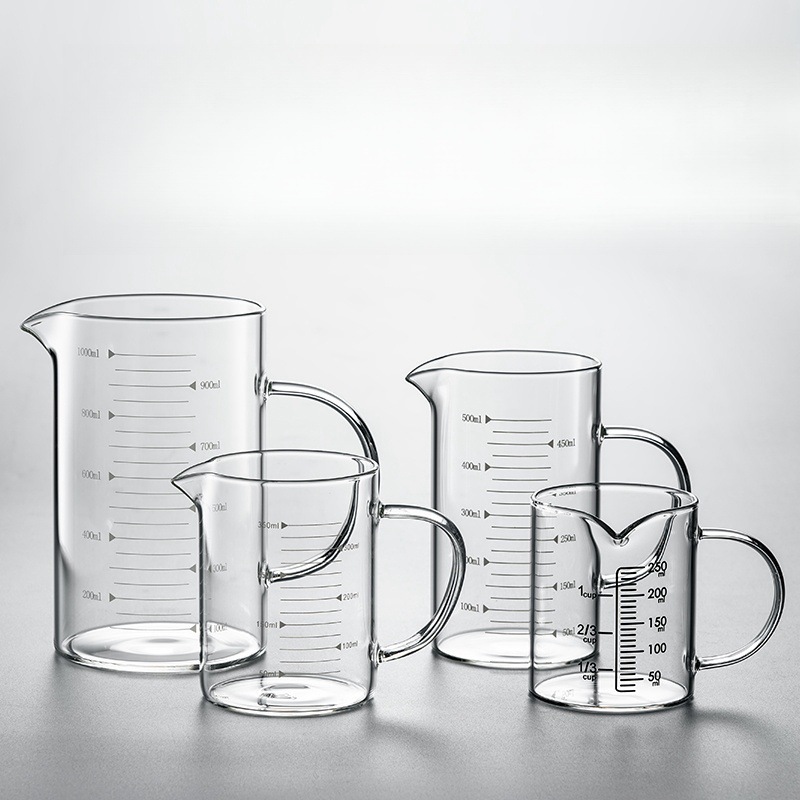
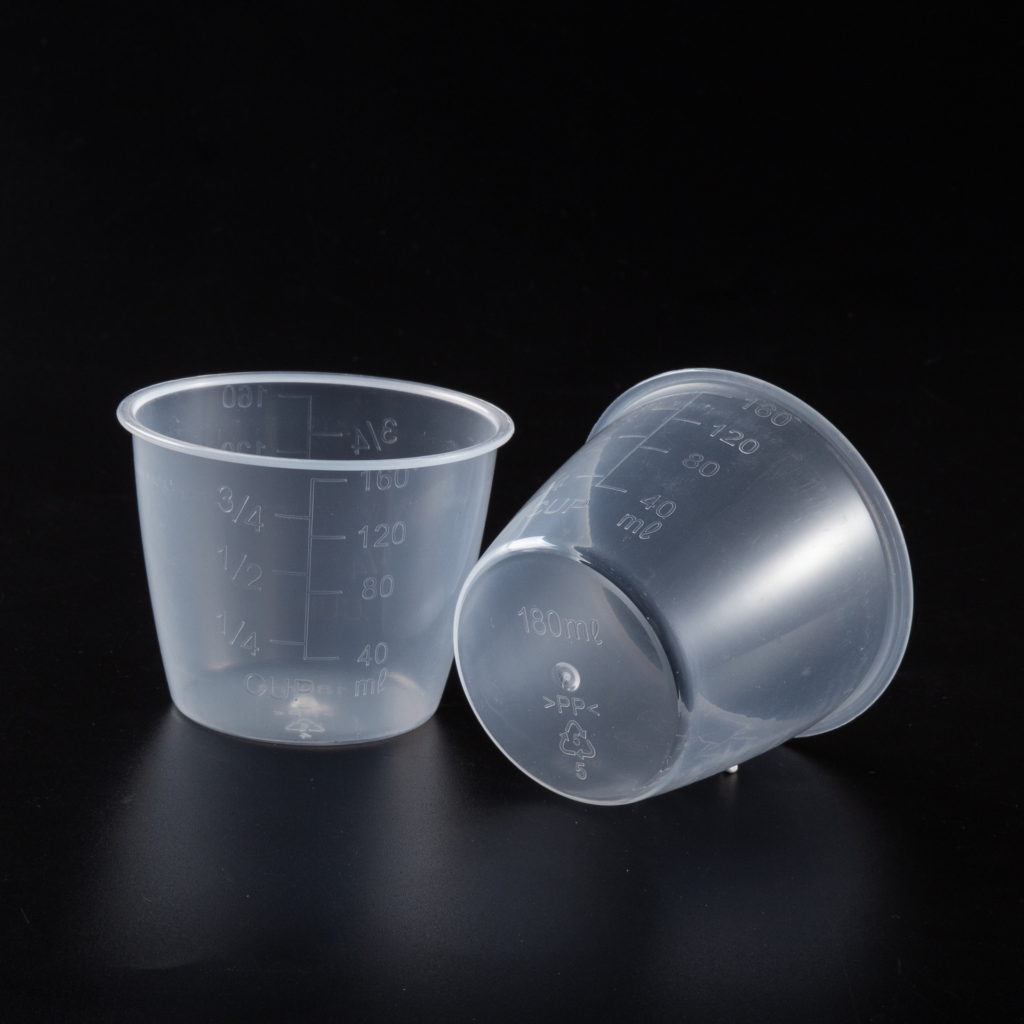
For many home cooks, the journey toward achieving restaurant-quality rice at home begins and ends with the modest, often overlooked plastic accessory included in the box with their new appliance. While it might seem like a simple piece of kitchen plastic, this specific measuring device serves as the fundamental cornerstone for success in automated grain preparation. Understanding the precise role of this tool is essential for anyone who seeks to move beyond guesswork and achieve consistent, fluffy, and perfectly cooked results every single time they switch on their machine.
Table of Contents
The Mystery of the Rice Cooker Cup Capacity
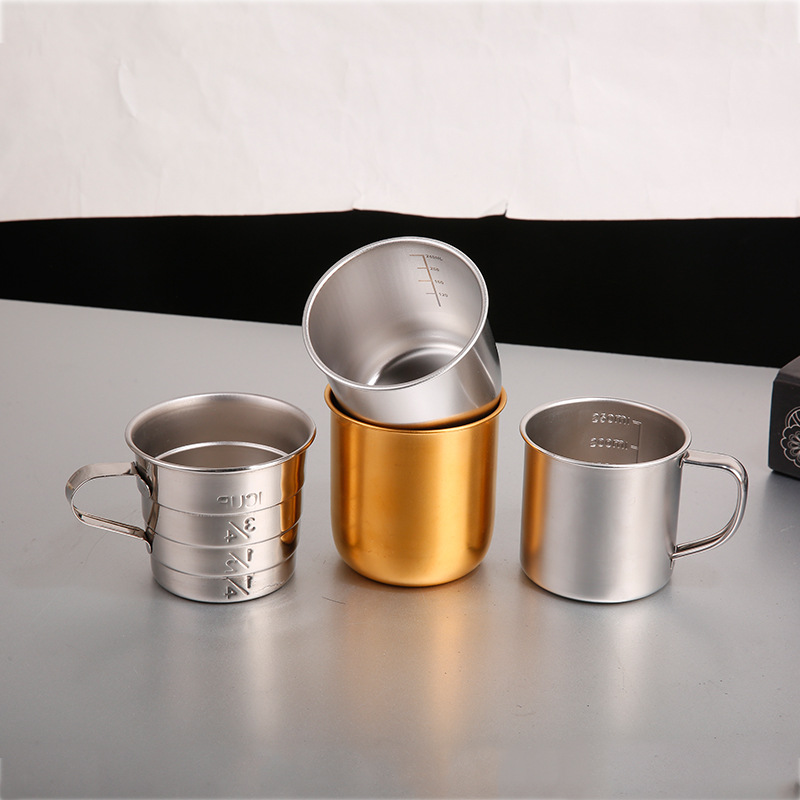
A frequent source of frustration for new appliance owners is the realization that the measuring tool included with their device does not match the standard measurement system found in their local grocery store baking aisles. Many users assume that because the device is used for cooking, it must conform to the standard eight-ounce liquid measure commonly used in many Western kitchens. This common assumption, however, often leads to less-than-ideal outcomes, resulting in rice that is either too mushy or insufficiently hydrated.
In reality, the device provided with the vast majority of these machines is calibrated to a different standard, often originating from historical Japanese rice measurement units. This unit is frequently close to one hundred and eighty milliliters. This specific volume has been the industry standard for decades, as it aligns with traditional ways of measuring dry rice. When you ignore this subtle difference and instead use a standard kitchen measuring vessel, the entire ratio of water to grain is thrown off balance. The machine is designed to work in tandem with the specific volume of the proprietary cup, and bypassing this system is the quickest way to end up with an unappealing texture.
The Science Behind the Volumetric Calibration
To understand why this specific cup matters, one must look at how an automated cooker actually functions. These devices are not merely heating elements; they are programmed with specific algorithms that monitor the temperature and evaporation rate within the inner pot. The process begins with the ratio of dry volume to moisture. The engineers who design these systems assume that for every single unit of grain measured by their proprietary cup, a corresponding amount of water will be added to reach a specific depth.
When you use the manufacturer’s cup, you are working within the parameters that the machine was calibrated for during its design phase. If you deviate from this, the thermal mass inside the pot changes. Too much rice, and the water ratio is insufficient for the grain to fully gelatinize. Too little rice, and the water levels will cause the grains to break down into a paste. By keeping the dry volume measurement consistent with the intended tool, you allow the internal thermostat and moisture sensors to do exactly what they were designed to do, resulting in an optimal cooking environment.
Why Ratios Depend on the Provided Tool
The magic behind the efficiency of these appliances lies in the engineering of their internal water reservoirs and heating profiles. When manufacturers design these pots, they integrate internal markings that correlate directly with the capacity of the proprietary cup. These markings are not arbitrary; they are precise calculations based on the total volume of water needed to properly cook a specific number of these specialized cup measurements.
When you use the provided tool to scoop your dry rice, you are essentially telling the machine exactly how much raw material is being introduced to the pot. Once that amount is placed inside, the corresponding water line on the inner pot takes over. By pouring water to the level that matches the number of scoops of rice you added, you are leveraging the built-in logic of the appliance. If you attempt to circumvent this by using different measurement standards, the appliance cannot accurately predict the saturation point of the grain. This is why the instruction manuals emphasize using the supplied device rather than standard household measuring sets. It is a system of calibration that ensures the grains absorb exactly the right amount of moisture to achieve that sought-after texture.
The Importance of Consistency in Every Scoop
Precision in the kitchen is often misunderstood as being overly complicated, but when it comes to grain preparation, it is simply a matter of consistency. When you use the provided cup, you are establishing a baseline. If you scoop your rice, you should ensure that the cup is level, not heaping. A heaping cup adds more surface area and volume, which disrupts the hydration ratio. By training yourself to use the cup properly—scooping and leveling—you eliminate the most common variable that leads to inconsistent dinner results.
Furthermore, consider the physical act of measuring. Using the provided cup allows you to quickly gauge how many servings you are creating. Most machines are designed to accommodate a range of capacity, and the cup serves as a visual indicator of how full the pot will be after the rice has expanded. Overloading the cooker is a common mistake that leads to starch overflow and messy lids. By sticking to the cup measurement, you ensure that you stay within the capacity guidelines, preventing both under-cooking and the dreaded boil-over that cleaning enthusiasts despise.
Navigating Different Rice Varieties
The versatility of modern machines allows them to handle various types of grains, but the measurement principle remains constant. Whether you are preparing long-grain white, short-grain sushi rice, fragrant basmati, or hearty brown rice, the initial measurement should always start with the specialized tool. However, the way you use that measurement in relation to water lines might vary slightly depending on your personal preference for texture.
Some users prefer their rice slightly firmer, while others enjoy a softer, stickier consistency. The beauty of these machines is that they provide a baseline for success, which you can then refine over time. After you have established your base measurement using the provided cup, you can observe the end result. If the grains are slightly too firm for your liking, the next time you cook, you might consider adding a tiny splash more water, or conversely, reducing it if the results were too moist. By keeping your dry measurement consistent using the provided cup, you make it possible to fine-tune your results in a scientific, repeatable way.
Customizing for Texture and Personal Preference
While the manual provides a baseline, rice preparation is inherently personal. Once you have mastered the basics using the provided cup, you might find that you have specific preferences for different types of meals. For example, when making a fried rice dish, you may want your grains slightly firmer so they can withstand the agitation of the wok. In this case, you can use the standard ratio provided by the appliance, but perhaps slightly decrease the water to the next lowest mark.
Conversely, if you are preparing a porridge or congee, you might significantly increase the water ratio relative to the number of cups of dry grain. The key to this experimentation is documentation. By always starting with the same volume measurement—the proprietary cup—you can confidently adjust the water variable. If you were using random cups, your adjustments would be meaningless because your starting point would be unstable. The proprietary cup is the anchor that holds your culinary experiments together, allowing you to iterate on your process until you reach the perfect texture for your specific taste.
What to Do If You Lose Your Measuring Tool
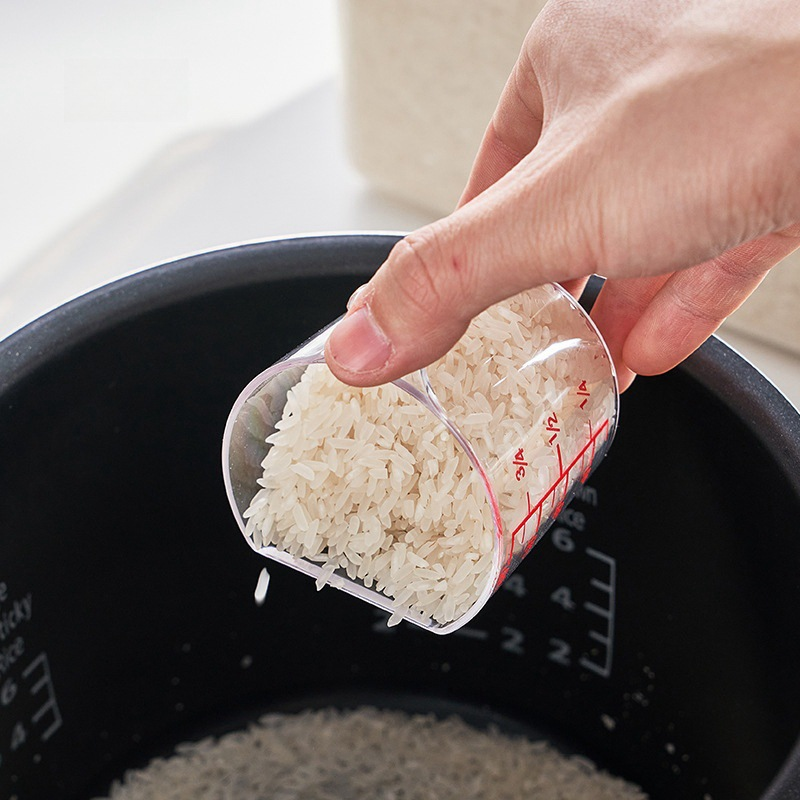
Losing the original plastic device is a common plight, yet it does not mean your machine is destined for the back of the pantry. Because the standard size for these devices is widely accepted across the industry at roughly one hundred and eighty milliliters, you do not need to hunt for a brand-specific replacement. If you have another similar device from an older or different brand, it is highly likely to be interchangeable.
If you find yourself without any dedicated rice measuring vessel, you can still achieve great results by finding a substitute that holds approximately three-fourths of a standard eight-ounce kitchen cup. Many people find success by using a standard kitchen cup and simply filling it to the three-quarter mark to mimic the capacity of the original tool. Once you have a consistent substitute, you can continue to use your machine’s internal water lines as you normally would. The most important factor is consistency; as long as you use the same substitute consistently, the machine will continue to perform as intended.
Maintaining Your Equipment for Long-Term Success
Beyond the measurement itself, the care of your appliance and its accessories is crucial. The measuring cup, while sturdy, should be treated with the same care as the inner pot. Avoid using abrasive sponges on the inside of the cup, as even minor scratches can accumulate residue or affect the precision of the volume over time. If you notice that your cup has become cloudy or damaged, consider replacing it with a food-grade plastic or metal equivalent that matches the standard one-hundred-and-eighty-milliliter volume.
Maintaining the integrity of the inner pot’s measurement markings is equally important. These marks are often painted or etched onto the surface, and over time, they can wear away if handled improperly. Always use the gentle side of a sponge when cleaning the interior. If you find the markings are becoming difficult to see, you can place a small, external mark on the outside of the pot as a reference. By protecting your tools and maintaining the visibility of the internal water levels, you ensure that your appliance remains a reliable staple in your kitchen for years to come.
The Intersection of Tradition and Convenience
Ultimately, the humble plastic cup is a bridge between culinary traditions and modern convenience. It represents a commitment to precision that respects the nature of the grain. Rice is a staple that deserves careful preparation, and the design of these machines reflects a deep understanding of how starch and water interact under heat. By embracing the specific measurement tool provided, you are honoring the logic built into the appliance by the engineers who designed it.
While it is easy to view these tools as mere accessories, they are actually the key to unlocking the full potential of your appliance. They take the guesswork out of the process, allowing even novice cooks to produce consistent results that rivals could be proud of. As you become more comfortable with your machine, you will likely find that you rarely even think about the measurement process anymore; it simply becomes a seamless part of your kitchen routine. By trusting in this simple system, you gain the freedom to focus on the creative aspects of cooking, knowing that your foundational grain will be perfect every time.
Conclusion
Mastering the use of the rice cooker cup is more than just learning how to measure grains; it is about understanding the synergy between your ingredients and your appliance. By utilizing the provided tool, you align your cooking process with the precise engineering designed to deliver perfect results. Whether you are a frequent user or an occasional cook, respecting this simple measurement system ensures that you consistently enjoy perfectly fluffy, well-textured rice. It is a small step in your preparation that yields significant rewards on your plate, proving that sometimes the simplest tools are the most effective.
How to purchase:Online B2B sourcing platform, China purchase, Chinese suppliers – LooperBuy
Frequently Asked Questions
1. Is the rice cooker cup exactly the same as a standard U.S. measuring cup?
No, the standard measuring cup provided with most rice cookers is typically smaller than a standard U.S. cup. While a standard U.S. cup is eight ounces or approximately two hundred and forty milliliters, the rice cooker cup is usually one hundred and eighty milliliters. This difference is intentional and vital for the machine’s water-to-rice ratios.
2. Can I use a standard kitchen measuring cup instead of the one provided?
Yes, you can, provided you adjust your ratios. Because the provided cup is roughly three-fourths of a standard U.S. cup, you should use three-fourths of a standard cup of rice for every one cup measurement indicated in the manual. Alternatively, if you lose your cup, you can find a small container that holds exactly one hundred and eighty milliliters and use that as your permanent, consistent measuring tool.
3. Do I need to use the cup if I am just cooking a small portion?
Yes, you should always use the provided measuring tool to maintain the integrity of the water-to-rice ratio. The markings inside the pot correspond to the volume measured by that specific tool. Even if you are cooking a small amount, using the correct tool ensures that the machine’s sensors can effectively manage the cooking cycle based on the amount of grain and water present.
4. What should I do if my rice often comes out too dry or too wet?
First, ensure you are using the correct cup for measuring the dry rice and that you are leveling off the cup. If the rice is consistently too dry, you can try adding a small amount of extra water to the pot next time. If it is too wet, slightly reduce the water. Keep the amount of dry rice measured with the cup constant, and only adjust the water slightly until you find your preferred texture.
5. Why are there different water lines inside the rice cooker pot?
The different water lines inside the inner pot are designed to accommodate different types of rice and, sometimes, the number of cups being cooked. For example, some pots have specific lines for white rice, brown rice, or even porridge. Always refer to your user manual, as these lines are calibrated to work specifically with the volume of the measuring cup provided to ensure proper absorption and cooking time.
HOT TAG: Rice Cooker Basics, Culinary Precision, Home Cooking Essentials, Grain Preparation, Kitchen Measurement, Perfect Rice Ratio, Appliance Tips, Cooking Efficiency, Kitchen Hacks, Rice Cooking Guide, Culinary Mastery, Measuring Tools, Rice Texture, Kitchen Calibration, Daily Cooking Skills, Automated Cooking, Consistent Results, Household Appliances, Healthy Eating, Grain Science, Smart Kitchen, Perfect Fluffy Rice, Kitchen Engineering, Meal Prep Success, Kitchen Routine, Cooking Standards, Precise Measuring