Table of Contents
The Timeless Appeal of a Polka-Dotted Companion
In the vast and ever-expanding universe of children’s toys, few figures possess the enduring charm and instant recognizability of Minnie Mouse. Since her debut in the late 1920s, she has evolved from a simple animated character into a global fashion icon, a symbol of kindness, and a source of comfort for millions. The Minnie Mouse plush toy is not merely a piece of merchandise; it is a physical bridge between the magical world of animation and the tactile reality of a child’s bedroom. When we look at the evolution of this toy, we see a reflection of nearly a century of design trends, manufacturing advancements, and shifting cultural values.
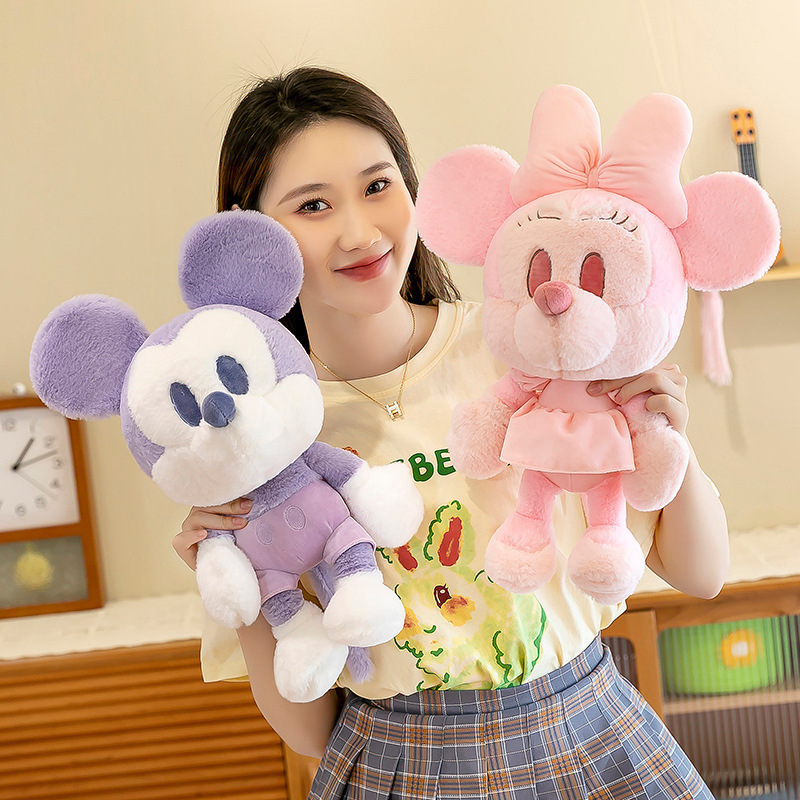
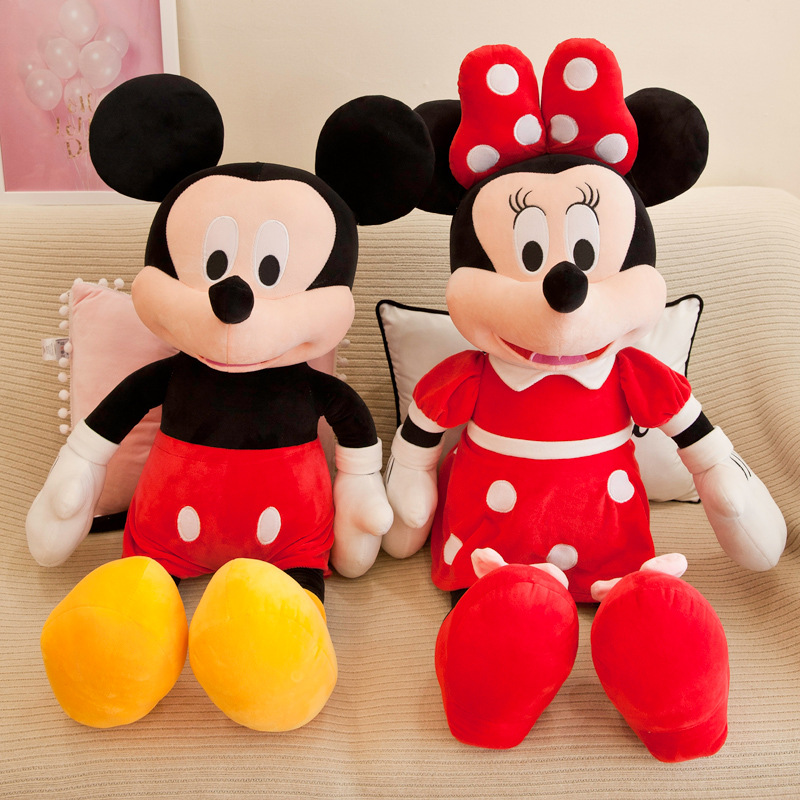
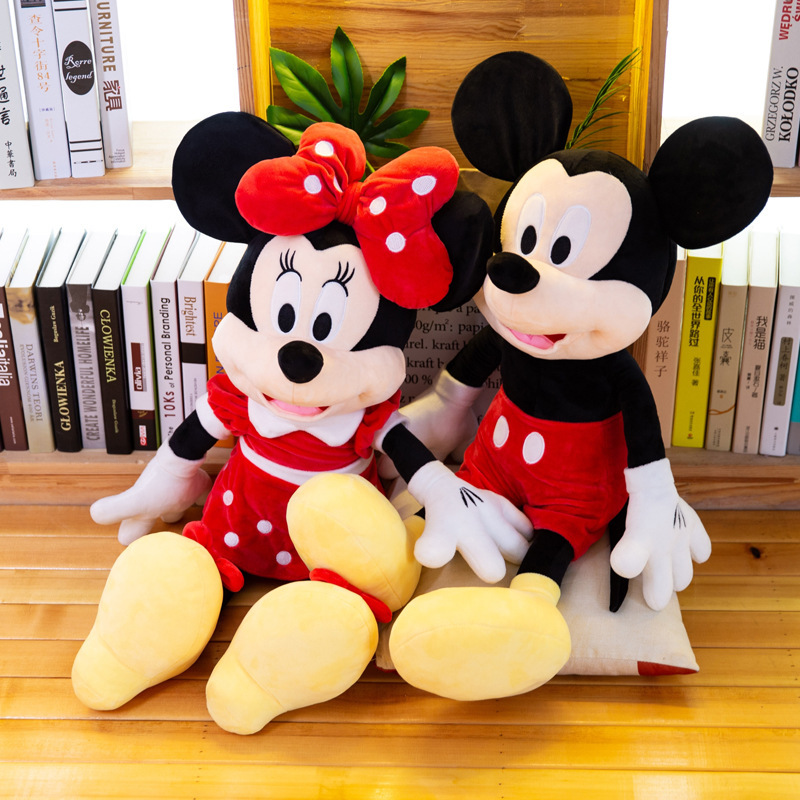
The appeal of Minnie Mouse lies in her unique blend of classic elegance and playful energy. Her signature polka-dotted dress, oversized bow, and cheerful yellow shoes create a visual harmony that is both striking and comforting. For a young child, Minnie represents a friendly face in a world that can sometimes feel overwhelming. For an adult, she is a nostalgic anchor, a reminder of the simple joys of childhood and the timeless storytelling of Disney. This dual appeal is what has allowed the Minnie Mouse plush toy to remain a staple of the toy industry for decades, transcending the temporary “fads” that often dominate the market.
The Historical Journey of a Plush Icon
The history of the Minnie Mouse plush toy is inextricably linked to the early days of the Walt Disney Studios. In the beginning, the demand for physical versions of screen characters was met not by large factories, but by independent artisans and home crafters. In the 1930s, the first Mickey and Minnie dolls were hand-sewn, featuring long, spindly limbs and felt faces that mimicked the rubber-hose animation style of the era. These early versions were often stuffed with cotton or even sawdust, making them much firmer and less “cuddly” than the versions we know today.
As the character’s popularity exploded, the manufacturing process became more sophisticated. By the mid-20th century, materials like mohair and velvet were being used to give Minnie a more luxurious feel. The post-war era saw a boom in the toy industry, and Minnie’s design was refined to look more “human” and expressive. Her eyes grew larger, her eyelashes more prominent, and her outfits more detailed. This period marked the transition of the plush toy from a simple rag doll into a carefully engineered product designed for both durability and aesthetic appeal.
The Psychology of Comfort and the Power of Plush
To understand why the Minnie Mouse plush toy remains so popular, one must look at the psychological role that stuffed animals play in human development. Psychologists often refer to these items as transitional objects. For a toddler, a soft toy provides a sense of security during moments of independence, such as going to sleep in their own bed or visiting a new environment. Minnie, with her wide-eyed, smiling expression, is designed to elicit a nurturing response. Her soft, rounded features suggest safety and warmth, making her the perfect companion for a child navigating the early challenges of life.
The tactile experience of a plush toy is equally important. In an increasingly digital world where children spend significant time interacting with flat screens, the physical sensation of soft fabric and squishy stuffing is vital for sensory development. Hugging a Minnie Mouse plush toy provides a grounding physical experience that can lower stress levels and provide emotional regulation. This is why you will often see Minnie toys in hospital gift shops or as gifts for children going through difficult life changes; she is a universal symbol of a “soft place to land.”
Design and Aesthetics: The Anatomy of a Style Icon
One of the most fascinating aspects of the Minnie Mouse plush toy is how her wardrobe has evolved to match the times. While her red-and-white polka-dotted dress is the most iconic, Disney has never shied away from experimenting with her look. In the 1980s, Minnie could be found in neon colors and aerobics gear; in the 1990s, she embraced pastel tones and floral patterns. More recently, the “pink vs. red” debate has dominated the market, with many modern toys featuring Minnie in a vibrant pink dress with white dots, reflecting her appearance in contemporary television shows for preschoolers.
The construction of the toy itself is a feat of design. Every curve of her ears, every stitch in her bow, and the specific placement of her embroidered features are carefully calculated to ensure she looks exactly like the character fans see on screen. Modern manufacturing allows for incredible detail, such as satin-lined bows, glitter-infused fabrics for her shoes, and even specialized scents like strawberry or vanilla infused into the fabric. These sensory additions make the act of owning a Minnie Mouse plush toy a multi-dimensional experience.
The Shift Toward the Collector Market and “Kidults”
While Minnie Mouse plush toys are primarily designed for children, there is a massive and growing market for adult collectors, often referred to as “kidults.” These individuals are not looking for a toy to play with, but rather a high-quality collectible to display. This has led to the creation of premium Minnie toys made from high-end materials like leather, sequins, and even designer textiles. Collaborations with fashion houses have turned the humble plush toy into a luxury item, with some limited-edition versions selling for hundreds of dollars on the secondary market.
These collector-grade toys often feature unique themes. For example, Disney Parks frequently release seasonal versions where Minnie might be dressed as a Victorian lady for Christmas, a spooky witch for Halloween, or a world traveler for an international showcase. Collecting these variations becomes a hobby that connects adults with their favorite memories of visiting Disney theme parks. The Minnie Mouse plush toy, in this context, serves as a piece of “art” that celebrates the history of animation and global pop culture.
Material Innovation and Environmental Responsibility
In recent years, the production of the Minnie Mouse plush toy has undergone a significant transformation in terms of sustainability. As global awareness of environmental issues grows, both manufacturers and consumers are looking for ways to reduce the ecological footprint of toys. Many new iterations of Minnie are now being made with recycled polyester fibers and sustainable fabrics. Even the internal “beans” used to give some plush toys weight are increasingly being made from eco-friendly materials rather than traditional plastic pellets.
This shift toward sustainability does not mean a compromise in quality. Modern recycled fabrics are just as soft, if not softer, than their traditional counterparts. Furthermore, the longevity of a Minnie Mouse plush toy is a form of sustainability in itself. Unlike cheap plastic toys that may break within weeks, a well-made plush toy can last for decades, often being passed down from one generation to the next. This durability makes Minnie an “heirloom” toy, reducing the cycle of waste that plagues the modern toy industry.
The Role of Minnie Mouse in Global Culture
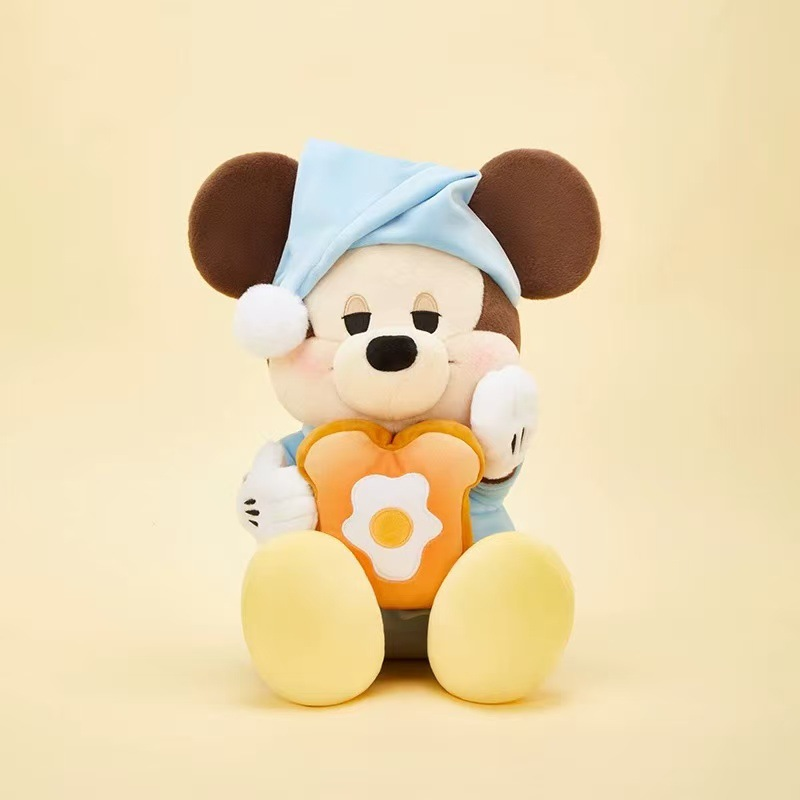
Minnie Mouse is a character that knows no borders, and her plush toys are a testament to her global reach. In Japan, for instance, the Minnie Mouse plush toy is a central part of the “Kawaii” culture, which emphasizes cuteness and vulnerability. In Tokyo Disney Resort, you can find Minnie dressed in intricate traditional kimonos or futuristic “cyberpunk” outfits. In Europe, her plush designs often lean toward a more classic, “chic” aesthetic, reflecting the fashion sensibilities of Paris and Milan.
This global presence means that Minnie serves as a common language for children across the world. A child in a small town in South America and a child in a bustling city in Asia might not share a spoken language, but they both understand the joy of a Minnie Mouse plush toy. This universal recognition makes her one of the most powerful brand ambassadors in history. The plush toy acts as a tangible representative of the values of kindness, friendship, and resilience that Minnie has stood for since 1928.
The Evolution of Play: Interactive and Smart Plush
As technology integrates more deeply into our daily lives, the Minnie Mouse plush toy has also adapted. We have moved beyond simple stuffed dolls to “smart” toys that can interact with children in real-time. Some modern Minnie plush toys are equipped with internal sensors that allow them to respond to touch, voice, or motion. They might sing songs from popular Disney movies, teach basic vocabulary, or even connect to an app to unlock digital stories and games.
However, despite these high-tech additions, the most successful versions of the Minnie Mouse plush toy are those that do not forget their primary purpose: to be a soft friend. Designers must walk a fine line between adding exciting features and maintaining the “huggability” that makes the toy desirable in the first place. A Minnie that is too heavy with electronics or too stiff to cuddle loses the very essence of why people love her. The most beloved interactive Minnies are those where the technology is hidden behind layers of soft fleece and plush, allowing the “magic” to feel organic rather than mechanical.
Maintaining the Magic: Care and Longevity
For many owners, a Minnie Mouse plush toy is a lifelong treasure, and keeping her in good condition requires a bit of knowledge. Because these toys are often subjected to a lot of “love”—meaning hugs, spills, and outdoor adventures—they need regular cleaning. For modern toys, a gentle surface wash with mild soap is usually sufficient. However, for those that are machine washable, the secret to maintaining the fluffiness of the plush is to use a low-heat setting or air dry them to prevent the synthetic fibers from melting or matting.
Preserving the colors is also a priority. The vibrant reds and deep blacks of Minnie’s design can fade if left in direct sunlight for long periods. Collectors often keep their toys in climate-controlled environments or behind UV-protected glass. By taking these simple steps, a Minnie Mouse plush toy can retain its beauty for decades, eventually becoming a cherished antique that tells the story of its owner’s childhood. This longevity is a key part of the value proposition for parents; they aren’t just buying a toy for today, but a companion for the next twenty years.
Conclusion: A Century of Friendship
As we look toward the future, it is clear that the Minnie Mouse plush toy will continue to hold its place as a cornerstone of the toy world. From her origins as a hand-stitched rag doll to her modern status as a sustainable, high-tech, and fashion-forward icon, Minnie has adapted to every era without losing her soul. She represents the best of what a toy can be: a source of comfort, a spark for the imagination, and a bridge between generations.
Whether she is sitting on a nursery shelf, traveling in a toddler’s backpack, or being displayed in a collector’s glass case, Minnie Mouse remains a beacon of positivity. In a world that can often feel chaotic and fast-paced, the simple act of hugging a soft, polka-dotted mouse provides a moment of peace and a reminder of the magic that exists in the world. The legacy of the Minnie Mouse plush toy is not just about sales figures or brand recognition; it is about the billions of smiles she has inspired over the last century and the billions more yet to come.
How to purchase:Online B2B sourcing platform, China purchase, Chinese suppliers – LooperBuy
Frequently Asked Questions
1. How did the design of the Minnie Mouse plush toy first begin?
The earliest versions of the toy were created in the early 1930s by independent crafters like Charlotte Clark. These dolls were hand-sewn to meet the sudden public demand for physical versions of the characters seen in Disney’s early animated shorts.
2. Can I wash my Minnie Mouse plush toy in a washing machine?
Most modern Minnie toys are machine washable on a gentle cycle, but it is always best to check the care tag first. To protect the toy’s shape and fabric, place it in a pillowcase or mesh laundry bag and use cold water and air drying.
3. Why are some Minnie Mouse plush toys wearing pink instead of red?
Minnie’s outfit color often depends on the specific TV show or movie the toy is based on. While red is her classic look, many modern toys use pink to match her appearance in shows like Mickey Mouse Clubhouse, which is very popular with young children.
4. Are there any rare or limited edition Minnie Mouse plush toys?
Yes, Disney frequently releases limited edition series, such as the “Main Attraction” collection or designer collaborations. These versions are produced in smaller quantities and often feature unique materials, making them highly sought after by adult collectors.
5. Is a Minnie Mouse plush toy safe for newborn babies?
Many Minnie plush toys are specifically designed for infants with embroidered eyes instead of plastic buttons to prevent choking hazards. However, parents should always check the age-rating on the label to ensure the toy meets safety standards for newborns.
HOT TAG:
Minnie Mouse Plush Toy, Disney Character History, Collectible Stuffed Animals, Toddler Comfort Toys, Disney Fashion Icon, Evolution of Toy Design, Sustainable Plush Manufacturing, Psychological Benefits of Stuffed Animals, Vintage Disneyana, Disney Parks Souvenirs, Interactive Plush Toys, Nursery Decor Ideas, Gift Guide for Disney Fans, Iconic Polka Dot Dress, Soft Toy Maintenance Tips, Transitional Objects for Children, Disney Collector Market, Global Cultural Icons, Handmade Disney Dolls, Childhood Nostalgia.