The trajectory of consumer electronics has always leaned toward the compact, the portable, and the seamless. In the realm of personal audio, this evolution has culminated in a fascinating niche that balances high-end acoustic performance with an almost invisible physical presence. The rise of the wireless earphones mini category represents more than just a reduction in physical dimensions; it signifies a fundamental shift in how we integrate technology into our daily lives. As these devices become smaller, they paradoxically become more capable, utilizing advanced materials and intelligent software to overcome the physical limitations of their size. This exploration dives into the intricate world of miniaturized audio, examining the engineering marvels and the lifestyle changes driven by these tiny titans of sound.
Table of Contents
The Philosophical Shift Toward Invisible Technology

For decades, headphones were seen as a statement piece. Large, over-ear cups were symbols of studio fidelity and professional intent. However, as the digital world became more mobile, the demand for discretion began to outweigh the desire for visibility. The wireless earphones mini emerged from this need for “stealth tech”—devices that allow a user to remain connected to their digital environment without physically separating themselves from their social or physical surroundings. This movement toward invisibility is not just about aesthetics; it is about reducing the friction between the human and the machine. When an earbud is small enough to be forgotten, the audio it produces feels less like a broadcast and more like an internal thought or a natural part of the environment.
This shift has changed the way people consume media. We are no longer tethered to a desk or a specific “listening chair.” With the mini form factor, high-quality audio accompanies the user through the gym, the office, the subway, and even into sleep. The psychological impact of having a constant, discreet companion for information and entertainment cannot be understated. It has led to the “always-on” culture of audio, where podcasts, music, and voice assistants are integrated into every waking moment.
Engineering the Impossible: Components of the Miniaturized Earbud
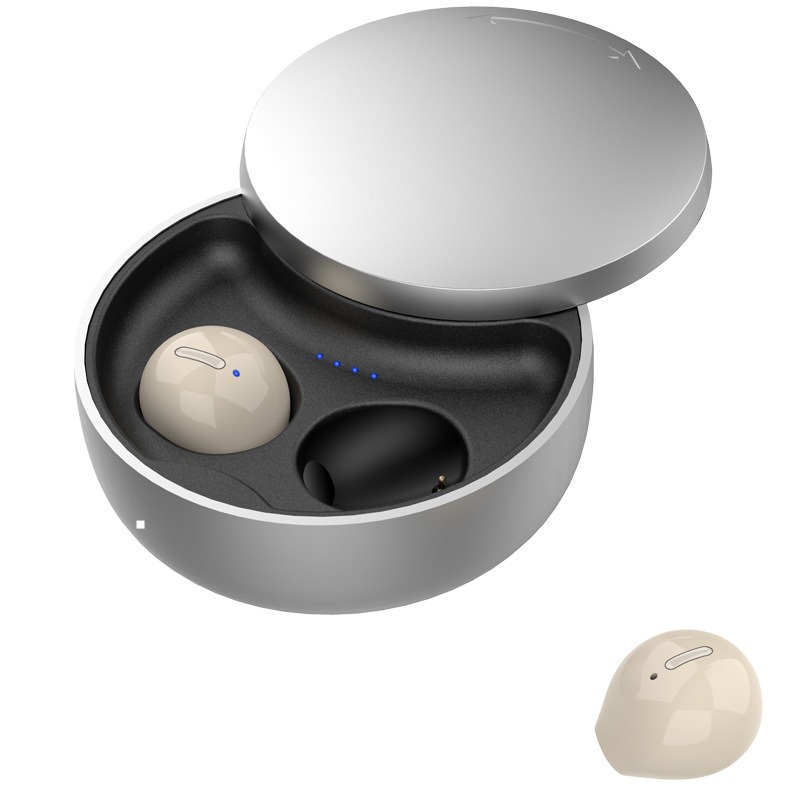
To understand how a wireless earphones mini functions, one must appreciate the sheer density of technology packed into a housing often no larger than a cherry pit. The engineering challenges are immense, as every millimeter of space is contested by the battery, the driver, the circuitry, and the microphones.
The Breakthrough in Micro-Driver Technology
In traditional audio, size often correlates with bass response and volume. Moving air requires surface area. To solve this in a mini earbud, engineers have turned to advanced material science. Graphene, a layer of carbon just one atom thick, has become a revolutionary material for driver diaphragms. Its incredible strength and lightness allow the driver to vibrate with extreme precision and speed without the distortion usually found in small speakers. By using graphene and other nano-composites, manufacturers can produce a rich, full-bodied sound that belies the tiny physical footprint of the device.
Furthermore, the implementation of balanced armature drivers—a technology originally developed for hearing aids—has allowed for even greater space savings. These drivers use a reed that is balanced within a magnetic field, providing incredible clarity in the high and mid frequencies. When paired with a miniature dynamic driver in a hybrid configuration, the result is a sophisticated soundstage that rivals much larger headphones.
System-on-Chip (SoC) and the Brain of the Bud
The “brain” of a wireless earphones mini is its System-on-Chip. In 2026, these chips have reached a level of integration that was unimaginable a few years ago. A single piece of silicon now handles the Bluetooth radio, digital-to-analog conversion, power management, and the neural processing unit (NPU) for artificial intelligence tasks. By consolidating these functions, manufacturers reduce the number of internal wires and connectors, which are often the first points of failure in miniaturized electronics. This integration also significantly reduces power consumption, allowing the tiny batteries within to last much longer than their physical size would suggest.
Ergonomics and the Science of the Human Ear
The human ear is one of the most complex and unique parts of the human anatomy. No two ears are exactly alike, which presents a massive hurdle for designers of mini earbuds. Since these devices lack the stems or hooks that help larger earbuds stay in place, they must rely entirely on the geometry of the ear canal and the concha.
Modern design processes involve the use of massive databases containing thousands of 3D ear scans. Designers use this data to create “universal-fit” shapes that target the most common pressure points and curves of the human ear. A successful wireless earphones mini must achieve a “lock” within the ear that is secure enough for a morning jog but gentle enough to be worn for six hours straight. This is often achieved through a combination of the earbud’s center of gravity—kept as close to the ear canal as possible—and the use of high-friction, medical-grade silicone or memory foam tips.
The reduction in weight is the greatest contributor to comfort. When an earbud weighs less than four grams, the gravitational pull on the ear is negligible. This prevents the “aching” sensation that many users experience with heavier TWS (True Wireless Stereo) models after extended use.
The Connectivity Revolution: Bluetooth and Beyond
A wireless device is only as good as its connection. For the wireless earphones mini, maintaining a stable link is difficult because the human body is essentially a large bag of water that absorbs radio waves. To combat this, the latest Bluetooth standards have introduced features like LE (Low Energy) Audio and the LC3 codec.
The LC3 codec is particularly important for mini devices. it allows for high-quality audio transmission at much lower bitrates than previous codecs like SBC or AAC. This means the Bluetooth radio doesn’t have to work as hard, saving battery life and reducing the heat generated by the device—a critical factor when the electronics are sitting directly inside your ear. Additionally, the introduction of multi-stream audio allows each earbud to connect independently to the source device, eliminating the “master-slave” relationship that used to cause lag and connection drops in older wireless models.
Solving the Power Paradox
The primary criticism of any “mini” electronic device is usually its battery life. Physics dictates that a smaller volume holds a smaller charge. However, the industry has responded with a three-pronged strategy: high-density battery chemistry, extreme software efficiency, and the “charging hub” concept.
High-Density Lithium-Polymer Cells
Battery manufacturers have developed specialized lithium-polymer cells shaped specifically for the curved interiors of mini earbuds. These cells offer a higher energy density, packed into a smaller footprint. By optimizing the internal chemistry to handle more charge-discharge cycles, these batteries also have a longer lifespan, addressing the sustainability concerns associated with non-replaceable batteries in tiny tech.
The Role of the Charging Case
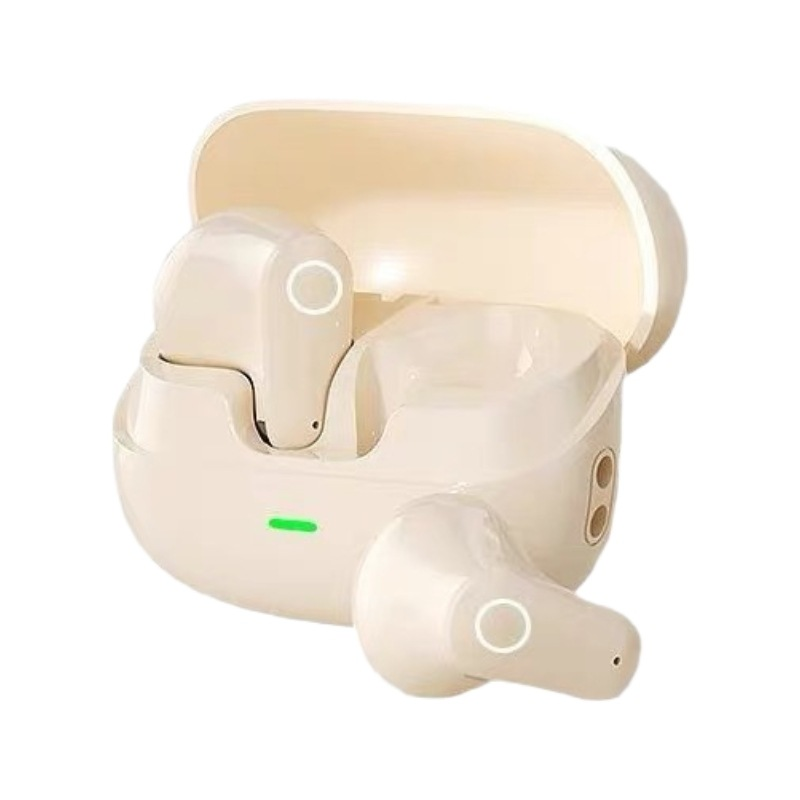
The charging case is no longer just a box; it is a sophisticated power management station. Most wireless earphones mini are designed to be used in bursts. The case provides a “fast-charge” environment where five or ten minutes of storage can provide hours of playback. In 2026, we see cases that are themselves becoming smaller, fitting into the coin pocket of a pair of jeans while still holding enough power to recharge the earbuds four or five times over. This “relay” style of power usage ensures that even though the earbuds themselves might only have five hours of continuous life, the user has thirty hours of total mobility.
Intelligence in a Tiny Shell: AI and ANC
Active Noise Cancellation (ANC) was once a feature reserved for bulky travel headphones. Bringing this technology to the wireless earphones mini required a leap in processing power. ANC works by using microphones to “listen” to the outside world and then creating an inverse sound wave to cancel it out. In a mini earbud, the microphones are very close to each other, which makes it difficult to distinguish between ambient noise and the user’s own voice or the music.
Artificial intelligence has solved this. The NPUs inside modern mini earbuds use machine learning to identify specific noise patterns—the drone of a plane, the hum of an air conditioner, or the chatter of a cafe—and neutralize them with surgical precision. Some models even feature “Adaptive Transparency,” which allows the user to hear everything around them but automatically dips the volume of sudden, loud noises (like a jackhammer or a siren) to protect the user’s hearing.

Specialized Verticals: From Sleep to Sport
The mini form factor has allowed manufacturers to create specialized devices for scenarios where standard earbuds would be impractical.
Sleep-Specific Earbuds
One of the fastest-growing segments is the sleep earbud. These are the smallest of the “mini” category, designed to be worn while lying on one’s side. They are almost entirely flat against the ear. Instead of just playing music, they often function as “masking” devices, using scientifically tuned white noise to block out snoring partners or noisy neighbors. Their tiny size is their greatest feature, as it allows them to stay in the ear all night without causing discomfort.
High-Intensity Athletic Gear
For athletes, the wireless earphones mini offers the advantage of low wind resistance and high stability. When a runner reaches high speeds, larger earbuds can catch the wind, creating an annoying whistling sound or even being pulled out of the ear. The mini profile eliminates this, providing a streamlined experience. Furthermore, the reduced surface area makes them easier to seal against moisture, leading to better ratings for sweat and water resistance.
The Manufacturing Process and Sustainability
Creating a wireless earphones mini is an exercise in precision manufacturing. The use of micro-soldering and robotic assembly is mandatory, as the components are too small for human hands to manipulate reliably. This high-tech assembly has a secondary benefit: it reduces material waste.
However, the industry faces a challenge regarding sustainability. Small devices are notoriously difficult to repair. In response, 2026 has seen a trend toward using recycled rare-earth magnets and post-consumer recycled plastics in the housing. Some forward-thinking companies are even experimenting with modular internal “capsules” that can be removed and replaced by professional technicians, extending the life of the product even if the tiny battery eventually fails.
Choosing the Right Mini Earbuds
With the market flooded with options, consumers must look beyond the marketing jargon. The key factors for a wireless earphones mini are fit, codec support, and the quality of the companion app. Since these devices have few physical buttons, the app is the primary way to customize the EQ (equalization), update the firmware, and adjust the ANC settings. A good mini earbud should feel like an extension of the body—unobtrusive, reliable, and effortless to use.
The Future: Hearables and Beyond
Looking forward, the wireless earphones mini is evolving into a “hearable.” We are seeing the integration of biometric sensors that can measure heart rate, blood oxygen levels, and even body temperature directly from the ear canal, which is a much more accurate site for these readings than the wrist. The “mini” earbud of the future will be a health monitor, a personal translator, and a high-fidelity audio device all rolled into one.
As voice interfaces become more common, the need for a discreet, always-available microphone and speaker will only grow. The wireless earphones mini is perfectly positioned to be the primary gateway to the next generation of ambient computing, where the internet is not something we look at on a screen, but something we interact with through sound and voice.
Conclusion
The wireless earphones mini category is a testament to human ingenuity and our relentless pursuit of refinement. By squeezing world-class audio, complex artificial intelligence, and robust connectivity into a device that can be hidden in the palm of a hand, engineers have created a tool that enhances our lives without cluttering them. While the challenges of battery life and physical scale remain, the progress made in just a few short years is staggering. These devices have moved from being “small versions” of something else to being a distinct and superior class of technology. As we look toward a future where technology becomes increasingly invisible, the mini earbud stands as a shining example of how we can have more by designing less.
How to purchase:Online B2B sourcing platform, China purchase, Chinese suppliers – LooperBuy
Frequently Asked Questions
1. Are wireless earphones mini likely to fall out during exercise?
No, their lightweight design and low center of gravity actually make them more stable than larger models. Because they sit flush with the ear, they are less affected by movement or wind, and when paired with the correct ear tip size, they create a secure vacuum seal that keeps them in place even during high-intensity workouts.
2. Is the sound quality significantly worse than larger over-ear headphones?
While they cannot move as much air as large headphones, the use of advanced materials like graphene drivers and high-resolution codecs like LC3 or LDAC allows them to provide incredible clarity and detail. For most daily listening environments, the difference in quality is negligible compared to the massive gain in portability.
3. How do I control my music if the earbuds are too small for buttons?
Most mini earbuds use touch-sensitive surfaces or “squeeze” gestures on the body of the earbud. These can be customized through a smartphone app to control volume, skip tracks, or toggle noise cancellation. Additionally, many are optimized for voice commands, allowing you to control everything hands-free.
4. Can I use just one earbud at a time?
Yes, most modern wireless earphones mini support “mono mode” or independent connectivity. This allows you to use either the left or the right bud alone while the other charges in the case. This is a popular feature for office workers or commuters who need to stay aware of their surroundings.
5. Do mini earbuds work well for phone calls in noisy places?
Despite their small size, they utilize beamforming microphones and AI algorithms to isolate your voice from background noise. Some premium models even use bone-conduction sensors to pick up vibrations from your jaw, ensuring that your voice remains clear even in windy or crowded environments.
HOT TAG:
wireless earphones mini, ultra-compact audio, true wireless stereo 2026, invisible tech, graphene driver technology, active noise cancellation, bluetooth le audio, ergonomic earbud design, micro-electronics, portable sound solutions, stealth audio gear, sleep earbuds, athletic headphones, high-density battery, ambient computing, hearable technology, biometric sensors, noise isolation, minimalist electronics, digital lifestyle accessories, high-fidelity miniature, fast-charging audio, voice assistant integration, futuristic gadgets, premium sound engineering.