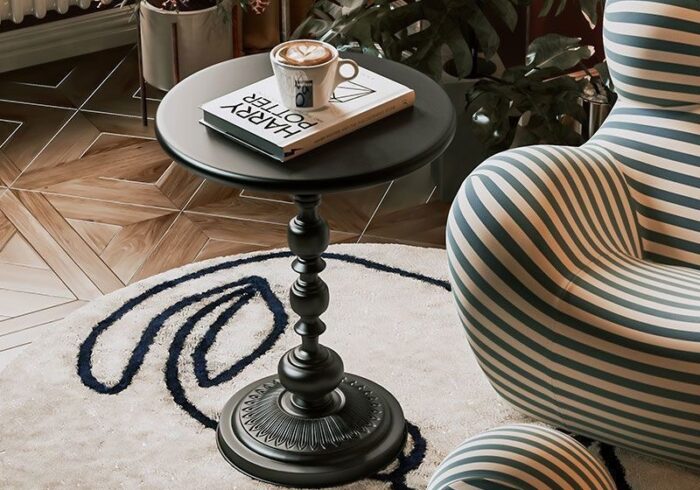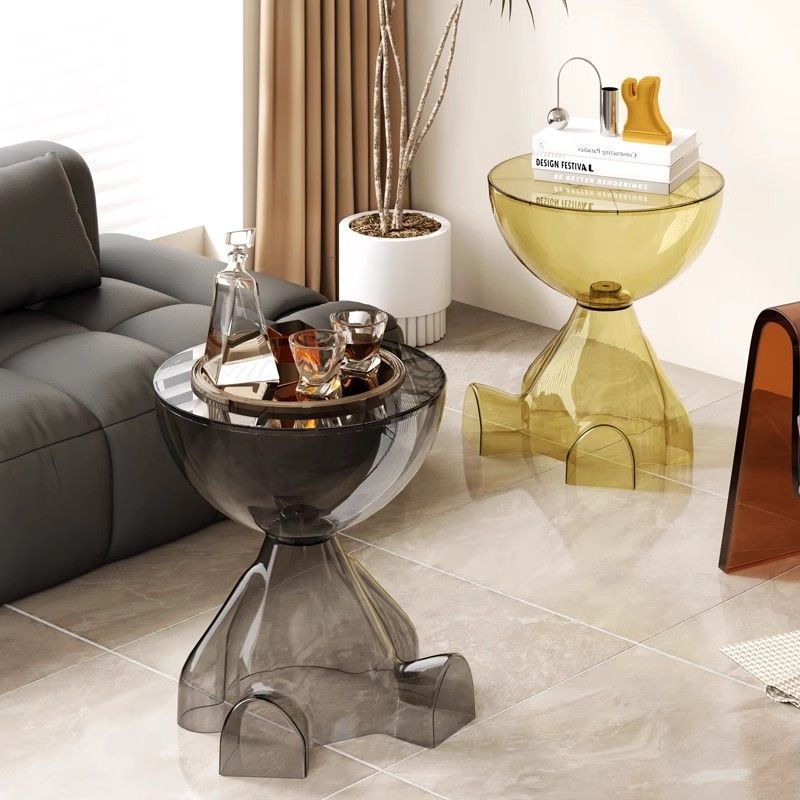
For many years, the world of high-end interior design was dominated by heavy timbers, cold metals, and fragile glass. These traditional materials carried a sense of permanence and prestige, but they often lacked the fluidity and playfulness required by the evolving modern home. Enter the era of high-performance polymers. The contemporary plastic side table has transcended its humble beginnings as a utilitarian outdoor object to become a cornerstone of avant-garde interior styling. No longer associated with “cheapness” or temporary solutions, these pieces now represent a fusion of industrial precision and artistic expression. This article explores how the humble side table, reimagined through the lens of synthetic innovation, has become an indispensable asset for homeowners and designers alike.
Table of Contents
The Historical Shift: From Industrial Utility to Artistic Icon
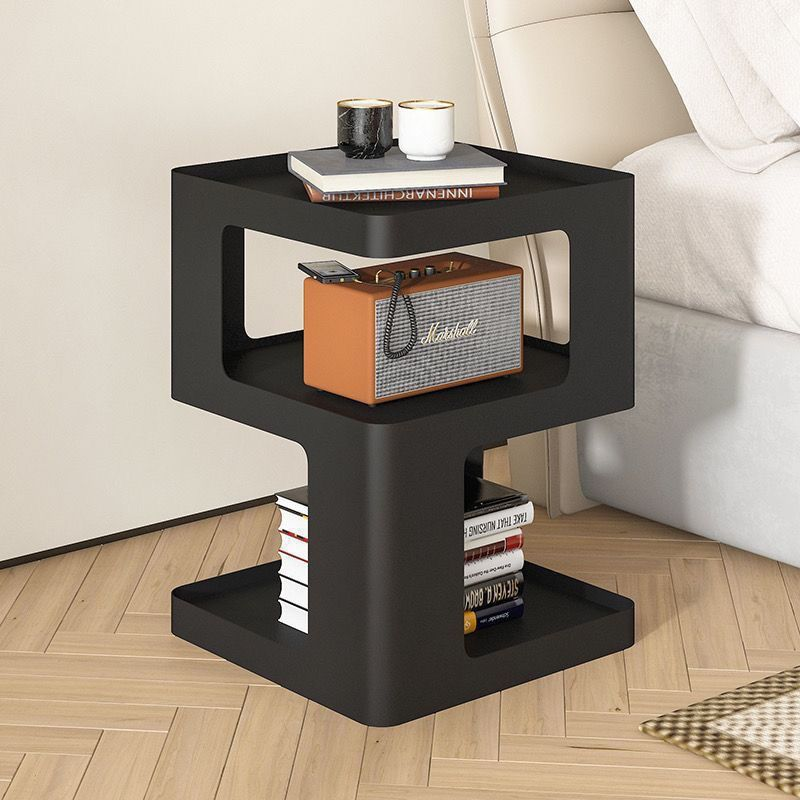
The journey of the plastic side table is inextricably linked to the post-war era of the mid-20th century. During this time, the chemical industry made massive leaps in the production of stable, moldable resins. Designers who were previously restricted by the linear nature of wood began to realize that plastic offered a level of sculptural freedom that was previously unimaginable. In the 1960s, the “Pop Art” movement embraced bright colors and artificial materials, leading to the creation of furniture that looked more like candy or space-age components than domestic furniture.
This period saw the birth of the first monolithic tables—pieces cast from a single mold without any joints or screws. This seamlessness became a hallmark of quality. As the decades progressed, the technology refined. The “Space Age” aesthetic of the 70s gave way to the “Minimalist” clarity of the late 90s and early 2000s. Today, a plastic side table is just as likely to be found in a museum of modern art as it is in a suburban living room. The material has proven its longevity, and its ability to take on any form—from sharp geometric cubes to soft, organic ripples—ensures its place in the pantheon of design history.
The Materiality of Style: Understanding Modern Polymers
To appreciate a plastic side table, one must first understand the diverse range of materials that fall under the “plastic” umbrella. Not all synthetics are created equal, and the choice of material dictates the table’s weight, clarity, and durability. Acrylic, often referred to by the trade name Plexiglass, is perhaps the most glamorous of the bunch. It offers a crystal-clear transparency that rivals glass but with much higher impact resistance and a significantly lighter weight. An acrylic side table is the ultimate tool for a designer working in a small space, as it provides a functional surface without creating a visual barrier.
On the other end of the spectrum is polypropylene. This material is prized for its matte finish and incredible toughness. It is heat-resistant, chemically stable, and can be produced in an almost infinite array of colors. Polypropylene side tables often feature more complex, textured surfaces or perforated patterns that would be difficult to achieve in clear resins. Finally, there is polycarbonate, a high-tech material used in everything from riot shields to jet fighter canopies. When used for furniture, polycarbonate allows for incredibly thin, elegant profiles that remain rigid and strong, often finished with a high-gloss sheen that reflects light beautifully across a room.
Aesthetic Flexibility: Why Designers Love Synthetic Tables
One of the primary reasons the plastic side table remains a favorite among interior decorators is its inherent versatility. In a world where furniture is often categorized into rigid styles like “Rustic” or “Industrial,” plastic refuses to be pigeonholed. Because it is a manufactured material, it can mimic other textures or lean into its own artificiality. A matte black plastic table can provide a grounded, architectural feel to a room, while a translucent neon piece can serve as a bold, energetic focal point.
Furthermore, the “visual weight” of a plastic side table is a crucial design consideration. In interior design, visual weight refers to how much attention an object draws or how much space it appears to occupy. A heavy oak side table has significant visual weight; it feels permanent and anchored. A clear or spindly plastic table, however, has a low visual weight. It allows light to pass through and around it, making a room feel more airy and open. This makes these tables particularly effective in “maximalist” designs where there are already many competing patterns and textures; the plastic piece provides a functional surface without adding to the visual clutter.
Small Space Solutions and Urban Living
As urban living spaces continue to shrink, the demand for “smart” furniture has never been higher. The plastic side table is uniquely suited to the challenges of apartment living. Its lightweight nature means it can be easily moved from the bedside to the sofa, or even used as an extra seat in a pinch (provided the design is load-bearing). Many modern plastic tables are also designed with nesting capabilities or modular storage in mind.
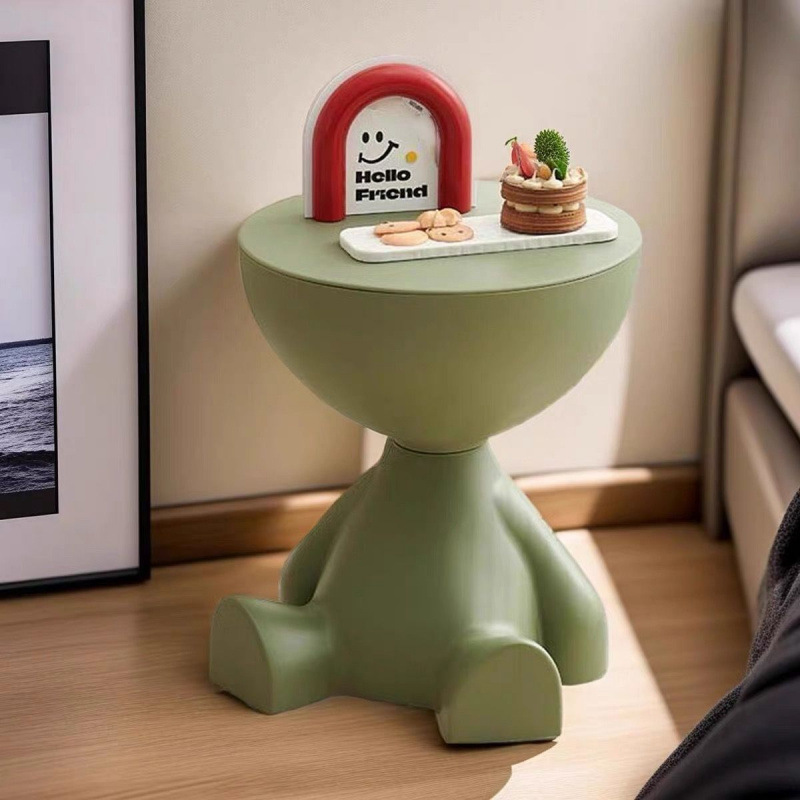
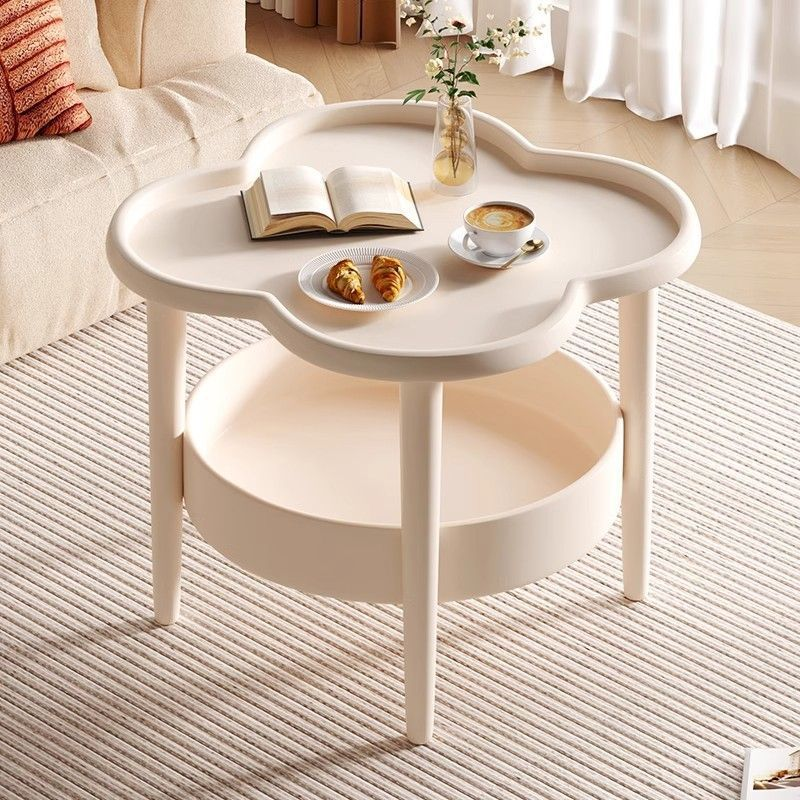
Consider the circular storage units that have become ubiquitous in modern decor. These cylindrical plastic side tables often feature sliding doors or removable tops, allowing the user to hide away remote controls, charging cables, and coasters. By combining a table surface with a storage bin, these pieces maximize the utility of every square inch. Additionally, the lack of sharp corners on many molded plastic designs is a significant benefit in tight corridors or homes with young children, reducing the risk of bumps and bruises while maintaining a sophisticated look.
The Indoor-Outdoor Seamless Transition
Perhaps the greatest functional advantage of the plastic side table is its ability to bridge the gap between the interior and the exterior. Traditional indoor furniture is often destroyed by a single afternoon of rain or a few weeks of direct sunlight. Wood warps, metal rusts, and fabric mildews. High-quality plastic, however, is largely indifferent to the elements.
A side table that sits comfortably next to a velvet armchair during the winter can easily be moved to a balcony or patio during the summer. This portability allows homeowners to extend their living space outward without having to purchase a separate set of outdoor furniture. When choosing a table for this dual purpose, it is important to look for pieces with UV-stabilized pigments. These additives ensure that the vibrant colors won’t fade or become brittle under the sun’s rays. The ability to simply hose down a table to remove dust or pollen makes it the most low-maintenance option for those who enjoy an alfresco lifestyle.
Sustainability and the Future of Synthetic Design
As we move further into the 21st century, the conversation around plastic has shifted toward environmental responsibility. Designers and manufacturers have responded by innovating within the realm of recycled and bio-based plastics. Many of the most popular plastic side tables on the market today are now made from post-consumer waste, such as recycled plastic bottles or industrial scraps. This “circular” approach to manufacturing ensures that these pieces are not just beautiful, but also ethically sound.
Moreover, the durability of a high-quality plastic side table is a form of sustainability in itself. Unlike “fast furniture” made from cheap particle board that may break and end up in a landfill within a year, a well-made polycarbonate or polypropylene table can last for decades. Its resistance to stains, scratches, and water damage means it maintains its aesthetic appeal for a lifetime. When a consumer chooses a designer plastic piece, they are investing in an object that is intended to be kept, passed down, or eventually recycled back into a new product, rather than something disposable.
Color Theory and Mood Enhancement
The psychological impact of color in a home cannot be overstated, and no material carries color quite like plastic. Because the pigment is integrated into the material itself rather than just painted on the surface, the color has a depth and vibrancy that is hard to replicate. A plastic side table in a “serene sage” or “dusty rose” can soften the mood of a bedroom, while a “cobalt blue” or “canary yellow” can inject a sense of playfulness into a home office.
Designers often use these tables as “punctuation marks” in a room. In a neutral space dominated by grays and whites, a single, brightly colored side table acts as a focal point that ties the room together. Conversely, a clear acrylic table can act as a “ghost” piece, reflecting the colors of the rug or the wallpaper around it, subtly blending into the environment while still providing a modern, glossy finish. The ability to experiment with color at a relatively accessible price point makes these tables an excellent way for homeowners to stay current with interior trends without committing to large-scale renovations.
Maintenance and Long-Term Care for Plastic Surfaces
While plastic is famously durable, it does require specific care to stay in pristine condition. The enemy of many plastics, particularly clear acrylic, is abrasion. Using paper towels or rough sponges can create tiny micro-scratches that, over time, will make the surface look cloudy. The gold standard for cleaning a plastic side table is a soft microfiber cloth and a gentle solution of warm water and mild dish soap.
For those who want to maintain the high-gloss shine of their furniture, there are specialized plastic polishes available that can fill in minor scratches and provide an anti-static coating to repel dust. In outdoor settings, it is a good idea to wipe the table down regularly to prevent the buildup of mineral deposits from rainwater. By following these simple maintenance steps, a plastic table can retain its “showroom” look for many years, proving that synthetic materials can age just as gracefully as their natural counterparts when given the proper care.
Conclusion
The plastic side table is a testament to the power of modern engineering and creative vision. It has successfully shed its reputation as a cheap substitute and emerged as a versatile, durable, and highly stylish element of contemporary design. Whether you are looking for a clear acrylic piece to make a small room feel larger, a bold polypropylene table to add a burst of color, or a sustainable recycled unit that aligns with your environmental values, there is a plastic table that fits the bill. Its ability to move between the living room and the patio, its ease of maintenance, and its sculptural beauty make it a must-have for anyone looking to create a functional and aesthetically pleasing home. As we look to the future, the continued innovation in recycled materials ensures that the plastic side table will remain a beloved icon of the modern interior landscape.
How to purchase:Online B2B sourcing platform, China purchase, Chinese suppliers – LooperBuy
Frequently Asked Questions
1. Are plastic side tables strong enough to hold heavy items like books or lamps?
Yes, most high-quality plastic side tables are engineered to be surprisingly strong. Tables made from injection-molded polypropylene or thick acrylic can easily support the weight of several heavy books, a large table lamp, or even a laptop. However, it is always wise to check the manufacturer’s weight capacity, especially for “ghost” style tables with very thin legs.
2. Can I use a plastic side table in a bathroom or wet area?
Absolutely. This is one of the primary benefits of the material. Because plastic is non-porous and waterproof, it will not warp, rot, or rust when exposed to steam or direct splashes of water. This makes plastic side tables an excellent choice for holding towels, toiletries, or candles next to a bathtub or inside a large walk-in shower.
3. How do I prevent my clear plastic table from getting scratched?
The best way to prevent scratches is to use felt pads on the bottom of any objects you place on the table, such as vases or metal trays. Avoid sliding objects across the surface; instead, pick them up and place them down. For cleaning, never use ammonia-based window cleaners, as these can chemically “craze” or crack the plastic over time. Stick to microfiber cloths and mild soap.
4. Do plastic side tables look “cheap” compared to wood?
In the modern design world, no. High-end plastic furniture is prized for its finish and the complexity of its form. When you choose a designer piece, the quality of the molding—indicated by smooth edges and a lack of visible seams—gives it a sophisticated, luxury feel. Often, a well-placed plastic table looks more intentional and modern than a standard wooden one.
5. Is it safe to leave a plastic side table outside all year round?
Most high-quality plastic tables are designed to handle outdoor conditions, but extreme cold can sometimes make certain plastics more brittle. If you live in a climate with very harsh winters, it is best to bring the table inside or cover it during the coldest months. For the rest of the year, UV-protected plastics will handle rain and sun without any issues.
HOT TAGS:
Modern Interior Styling, Plastic Side Table Trends, Acrylic Furniture Benefits, Sustainable Home Decor, Mid-Century Modern Revival, Outdoor Furniture Durability, Minimalist Living Room Ideas, Polypropylene Furniture Care, Small Space Design Solutions, Waterproof Bathroom Decor, Contemporary Furniture Materials, Versatile End Tables, High-Gloss Decor Accents, Recycled Plastic Innovation, Transparent Furniture Aesthetics, Functional Art Pieces, Impact Resistant Decor, UV Protected Outdoor Tables, Seamless Injection Molding, Creative Home Furnishings.