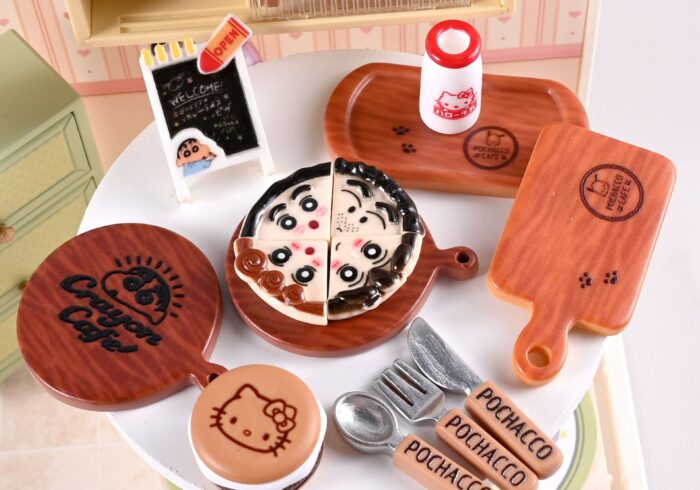
Christmas is a time of joy, celebration, and togetherness, marked by various traditions that have evolved over centuries. One of the most cherished customs during this festive season is the exchange of gifts. But why do we give gifts on Christmas? This article delves into the historical, cultural, and emotional significance of this beloved tradition, exploring its origins and the reasons it continues to thrive in modern society.
Table of Contents
The Historical Roots of Gift-Giving

Ancient Traditions
The practice of giving gifts is not exclusive to Christmas; it has roots in ancient rituals and celebrations. In many cultures, the winter solstice was a time for feasting and exchanging gifts as a way to celebrate the return of longer days. The Romans celebrated Saturnalia, a festival dedicated to the god Saturn, during which they exchanged gifts, decorated their homes, and enjoyed lavish banquets. This spirit of generosity and merriment laid the groundwork for the Christmas gift-giving tradition.
The Influence of Christianity
As Christianity spread, many pagan customs were incorporated into Christian celebrations. The birth of Jesus Christ became a focal point for the holiday, and the act of giving gifts was reinterpreted through the lens of Christian teachings. The story of the Three Wise Men, who brought gifts of gold, frankincense, and myrrh to the newborn Jesus, is often cited as a key inspiration for the modern practice of gift-giving. These gifts were not merely material offerings; they symbolized respect, honor, and recognition of Jesus’s significance.
The Role of St. Nicholas
Another pivotal figure in the evolution of Christmas gift-giving is St. Nicholas, a 4th-century bishop known for his generosity and kindness. Legends tell of St. Nicholas secretly providing gifts to those in need, which contributed to the tradition of giving anonymously. His legacy eventually transformed into the modern-day figure of Santa Claus, who embodies the spirit of giving during the Christmas season. The transformation of St. Nicholas into Santa Claus reflects the blending of various cultural influences, including Nordic traditions and Victorian ideals, which shaped the image of a jolly, gift-giving figure.
The Cultural Significance of Christmas Gifts
Expressions of Love and Affection
Gift-giving during Christmas serves as a powerful expression of love and affection. It allows individuals to show appreciation for their friends and family, reinforcing social bonds and creating lasting memories. The act of selecting a thoughtful gift can convey deep emotions, making it a meaningful gesture that transcends mere materialism. This exchange of gifts often becomes a ritual that strengthens familial ties and friendships, creating a sense of belonging and community.
The Joy of Giving
The joy of giving is a central theme during the Christmas season. Many people find fulfillment in the act of giving, as it fosters a sense of community and connection. The excitement of watching loved ones unwrap gifts and the smiles that follow create a shared experience that enhances the festive atmosphere. This joy is often reciprocated, as the act of receiving gifts also brings happiness and gratitude. The emotional high that comes from giving can be more rewarding than the act of receiving, reinforcing the idea that the spirit of Christmas lies in generosity.
A Reflection of Values
Gift-giving can also reflect personal values and beliefs. For some, it is an opportunity to support local artisans and businesses, while others may choose to donate to charitable causes in lieu of traditional gifts. This shift towards more meaningful and purposeful giving highlights a growing awareness of the impact of consumerism and the desire to make a positive difference in the world. Many families are now embracing the idea of giving back during the holiday season, whether through volunteering, donating to charities, or supporting local businesses.
The Modern Evolution of Gift-Giving
Commercialization and Consumerism
In contemporary society, the commercialization of Christmas has transformed the gift-giving tradition. Retailers capitalize on the holiday season, promoting extravagant sales and marketing campaigns that encourage consumers to spend more. This shift has led to concerns about the materialistic nature of Christmas, with some arguing that the true spirit of the holiday has been overshadowed by consumer culture. The pressure to buy expensive gifts can detract from the joy of giving, leading to feelings of inadequacy and stress.
The Rise of Experience-Based Gifts
In response to the commercialization of Christmas, many individuals are opting for experience-based gifts rather than material items. This trend emphasizes creating memories over accumulating possessions. Experiences such as concert tickets, cooking classes, or travel adventures offer unique opportunities for connection and enjoyment, aligning with the essence of the holiday spirit. Experience-based gifts often foster deeper connections, as they provide shared moments that can be cherished for years to come.
The Impact of Technology
Technology has also influenced the way we give and receive gifts. Online shopping has made it easier to find and purchase gifts, while social media platforms allow individuals to share their holiday experiences and gift ideas. However, this convenience can sometimes detract from the personal touch that traditional gift-giving embodies. The rise of e-commerce has led to a more impersonal shopping experience, where the joy of selecting a gift in person is replaced by the ease of online transactions.
Navigating the Challenges of Modern Gift-Giving
As the landscape of gift-giving continues to evolve, individuals face new challenges. The pressure to find the perfect gift can lead to anxiety, especially in a society that often equates love with material possessions. To navigate these challenges, it is essential to focus on the intent behind the gift rather than its monetary value. Setting a budget, planning ahead, and prioritizing meaningful gifts can help alleviate some of the stress associated with holiday shopping.
Balancing Gift-Giving with Meaning
In the hustle and bustle of the holiday season, it can be easy to lose sight of the true meaning of Christmas. Families can balance the joy of gift-giving with the deeper significance of the holiday by incorporating traditions that emphasize togetherness and gratitude. For instance, families might choose to create handmade gifts, engage in charitable activities, or share experiences that foster connection. By focusing on the values of love, kindness, and community, families can enrich their holiday celebrations and create lasting memories.
The Emotional Impact of Gift-Giving
Strengthening Relationships
Gift-giving has the power to strengthen relationships and foster a sense of belonging. When individuals take the time to choose gifts that resonate with their loved ones, it demonstrates thoughtfulness and care. This act of consideration can deepen connections and enhance the overall quality of relationships. The emotional bonds formed through gift-giving can lead to a greater sense of community and support among family and friends.
Creating Lasting Memories
The memories created during the gift-giving process can last a lifetime. From the anticipation of unwrapping presents to the joy of sharing moments with family and friends, these experiences become cherished stories that are recounted for years to come. The emotional significance of these memories often outweighs the material value of the gifts themselves. Families often create traditions around gift-giving, such as themed gifts or secret Santa exchanges, which further enrich the holiday experience.
Navigating Expectations
While gift-giving is generally a joyful experience, it can also come with expectations and pressures. The desire to find the perfect gift or to meet societal standards can lead to stress and anxiety. It is essential to approach gift-giving with a mindset of generosity and love, rather than obligation or competition. Setting realistic expectations and focusing on the thought behind the gift can help alleviate some of the pressures associated with holiday shopping.
The Role of Charitable Giving
In recent years, there has been a growing trend towards charitable giving during the holiday season. Many individuals and families choose to donate to causes they care about or to volunteer their time instead of focusing solely on material gifts. This shift not only helps those in need but also reinforces the values of compassion and community. By incorporating charitable giving into their holiday traditions, families can teach children the importance of generosity and empathy.
Teaching Children the True Meaning of Christmas
As families navigate the complexities of gift-giving, it is crucial to instill in children the true meaning of Christmas. This can be achieved through open discussions about the significance of the holiday, emphasizing values such as kindness, gratitude, and community service. Engaging children in charitable activities, such as volunteering at local shelters or participating in toy drives, can help them understand the importance of giving back. By fostering a spirit of generosity, families can ensure that the essence of Christmas is passed down through generations.
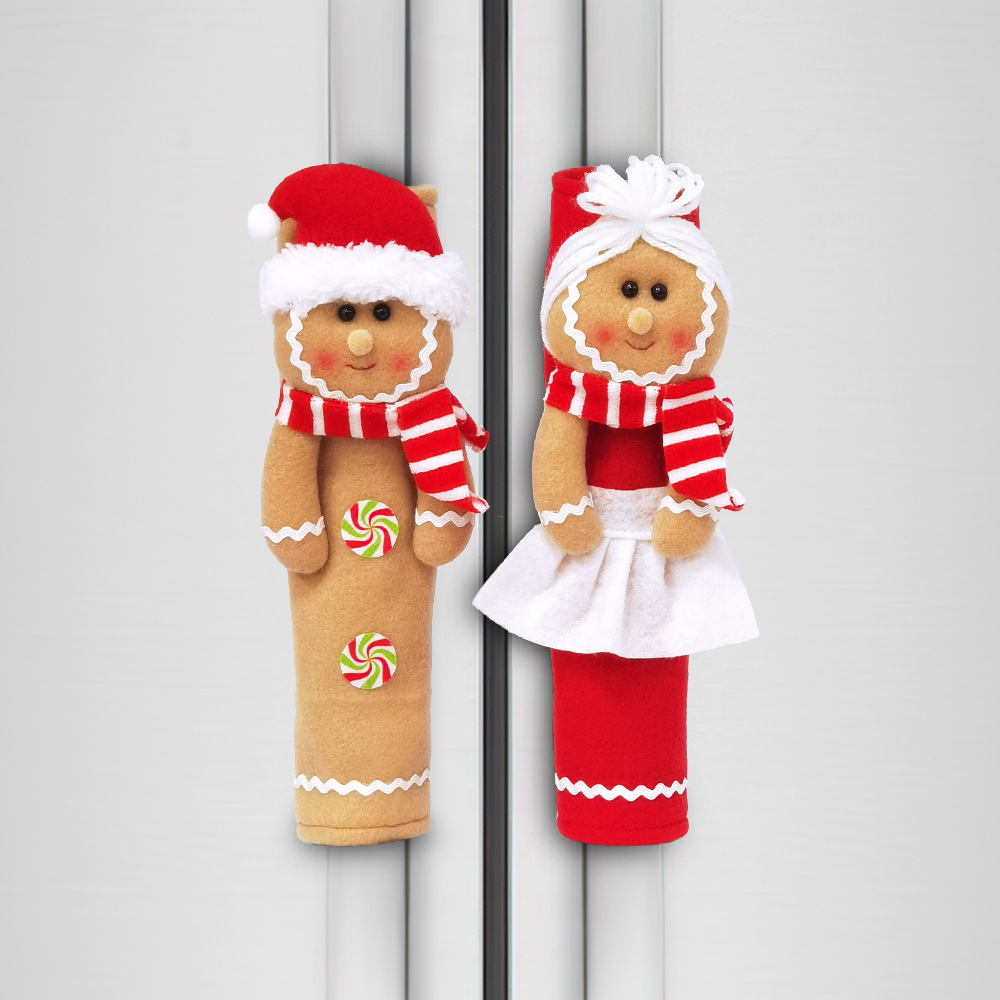
The Psychological Benefits of Giving
Research has shown that giving can have significant psychological benefits. Engaging in acts of kindness, such as gift-giving, can lead to increased feelings of happiness and fulfillment. The act of giving releases endorphins, often referred to as the “helper’s high,” which can enhance overall well-being. This positive feedback loop reinforces the idea that giving is not just about the recipient; it also enriches the giver’s life, creating a cycle of generosity and joy.
The Importance of Personalization
In a world where mass-produced gifts dominate the market, the importance of personalization cannot be overstated. Personalized gifts, whether they are custom-made items or thoughtful gestures that reflect the recipient’s interests, can have a profound impact. These gifts show that the giver has taken the time to consider the recipient’s preferences, making the gift more meaningful. Personalization can range from engraved jewelry to handmade crafts, and it often carries a sentimental value that transcends the gift’s material worth.
The Influence of Cultural Diversity
As societies become more multicultural, the ways in which Christmas is celebrated and the significance of gift-giving can vary widely. Different cultures have their own unique traditions surrounding the holiday season, which can enrich the experience of gift-giving. For instance, in some cultures, gifts are exchanged on New Year’s Day or during other significant festivals. Understanding and embracing these diverse practices can foster a greater appreciation for the holiday and its meanings, allowing families to create a more inclusive celebration.
The Future of Gift-Giving
Looking ahead, the tradition of gift-giving is likely to continue evolving. As societal values shift and new generations come of age, the ways in which gifts are given and received will adapt to reflect contemporary beliefs and practices. The growing emphasis on sustainability and ethical consumption may lead to a rise in eco-friendly gifts and practices that prioritize the planet. Additionally, the integration of technology into gift-giving, such as virtual reality experiences or digital gift cards, may redefine how we connect with one another during the holiday season.
The Role of Community in Gift-Giving
Community plays a significant role in the tradition of gift-giving. Many communities organize events such as holiday markets, charity drives, and community service projects that encourage collective participation in the spirit of giving. These events not only foster a sense of belonging but also highlight the importance of supporting one another during the holiday season. By participating in community initiatives, individuals can experience the joy of giving on a larger scale, reinforcing the idea that Christmas is not just about individual celebrations but also about collective goodwill.
The Impact of Social Media
In today’s digital age, social media has transformed the way we share our holiday experiences and gift-giving traditions. Platforms like Instagram and Facebook allow individuals to showcase their holiday preparations, share gift ideas, and connect with friends and family near and far. While this can enhance the sense of community, it can also lead to comparisons and unrealistic expectations. It is essential to approach social media with a balanced perspective, focusing on the joy of giving rather than the pressure to present a perfect holiday image.

Conclusion
The tradition of giving gifts at Christmas is a rich tapestry woven from historical, cultural, and emotional threads. It serves as a reminder of the importance of love, generosity, and connection during the holiday season. While the practice has evolved over time, its core significance remains intact. As we navigate the complexities of modern gift-giving, it is crucial to remember the true spirit of Christmas: celebrating the joy of giving and cherishing the relationships that enrich our lives.
How to purchase:Online B2B sourcing platform, China purchase, Chinese suppliers – LooperBuy
Related Questions & Answers
· How has the commercialization of Christmas impacted the tradition of gift-giving?
The commercialization of Christmas has led to an emphasis on materialism, with retailers promoting extravagant sales and marketing campaigns. This shift can overshadow the true spirit of the holiday, causing stress and pressure to buy expensive gifts rather than focusing on meaningful connections.
· What are some creative and meaningful alternatives to traditional Christmas gifts?
Creative alternatives include experience-based gifts such as concert tickets, cooking classes, or family outings. Handmade gifts, personalized items, and charitable donations in someone’s name are also thoughtful options that emphasize connection over materialism.
· How can families balance the material aspects of Christmas with its spiritual and emotional significance?
Families can balance these aspects by incorporating traditions that emphasize togetherness, such as volunteering, creating handmade gifts, or sharing experiences. Open discussions about the true meaning of Christmas can also help reinforce values of love and generosity.
· What role does charitable giving play during the Christmas season?
Charitable giving during Christmas reinforces values of compassion and community. Many families choose to donate to causes they care about or volunteer their time, teaching children the importance of generosity and helping those in need.
· How can gift-giving strengthen relationships?
Gift-giving can strengthen relationships by demonstrating thoughtfulness and care. When individuals take the time to choose gifts that resonate with their loved ones, it deepens emotional bonds and fosters a sense of belonging and community among family and friends.
Hot Tags: Christmas Gift Ideas, Meaningful Holiday Gifts, St. Nicholas Tradition, Christmas Celebrations, Family Bonding Activities, Experience-Based Gifts, Charitable Giving Practices, Holiday Spirit, Cultural Diversity in Christmas, Sustainable Gift Options, Emotional Impact of Giving, Personalization in Gifts, Community Involvement, Joy of Giving, Christmas Traditions Around the World, Navigating Holiday Expectations, Balancing Materialism and Meaning, Psychological Benefits of Generosity, Creative Gift Alternatives, Modern Christmas Practices.