As the Lunar New Year approaches, families around the world begin to prepare for one of the most significant celebrations in many Asian cultures. The decorations play a crucial role in setting the festive mood and inviting good fortune for the year ahead. But when is the right time to start decorating for the Lunar New Year? This article will explore the best practices for decorating, the significance of various decorations, and how to create a vibrant atmosphere in your home.
Table of Contents
Understanding the Lunar New Year
The Lunar New Year, also known as the Spring Festival, marks the beginning of the lunar calendar year. It is celebrated in various countries, including China, Vietnam, and Korea, each with its unique customs and traditions. The festival typically lasts for 15 days, culminating in the Lantern Festival, which signifies the end of the celebrations.
The Importance of Decorations
Decorations during the Lunar New Year are not merely for aesthetic purposes; they carry deep cultural significance. The color red, for instance, symbolizes good luck and prosperity, while various symbols and motifs are believed to ward off evil spirits and attract positive energy. Common decorations include red lanterns, couplets, paper cuttings, and auspicious symbols.
When to Start Decorating
The Ideal Timeframe
Traditionally, families begin decorating their homes about a week before the Lunar New Year. This timeframe allows for ample preparation and ensures that the decorations are in place for the festivities.
Regional Variations
While the general guideline is to start decorating a week prior, some regions have specific customs. For example, in southern China, families may begin their preparations even earlier, sometimes as much as ten days before the New Year. In contrast, some northern regions might wait until just a few days before the celebrations begin.
In Vietnam, the preparations for Tết (the Vietnamese Lunar New Year) often start even earlier, with families cleaning their homes and buying decorations as soon as the last month of the lunar calendar begins. This early start reflects the importance of the holiday and the desire to welcome the new year with a clean slate.
Key Decorations for the Lunar New Year
Red Lanterns
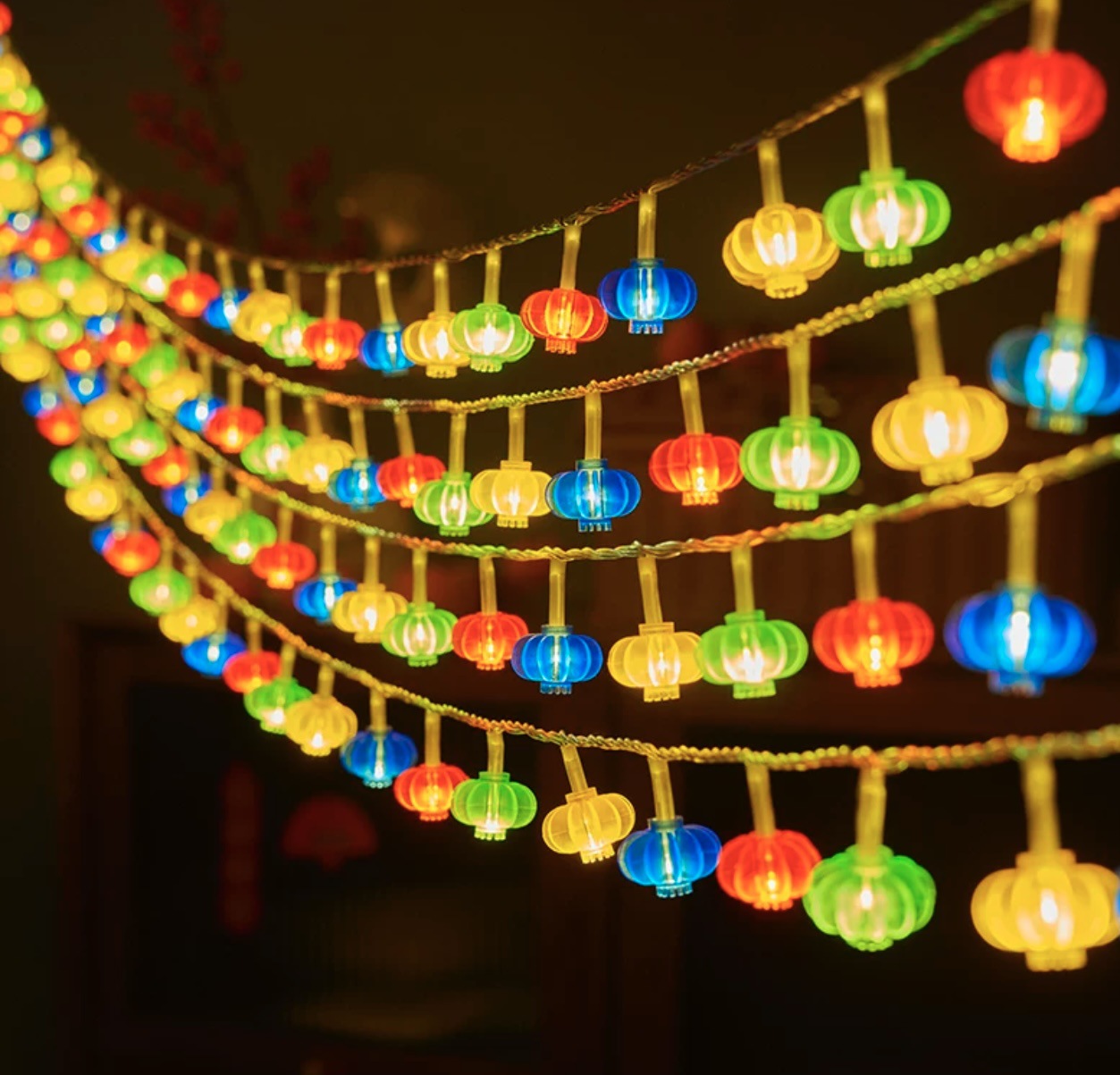
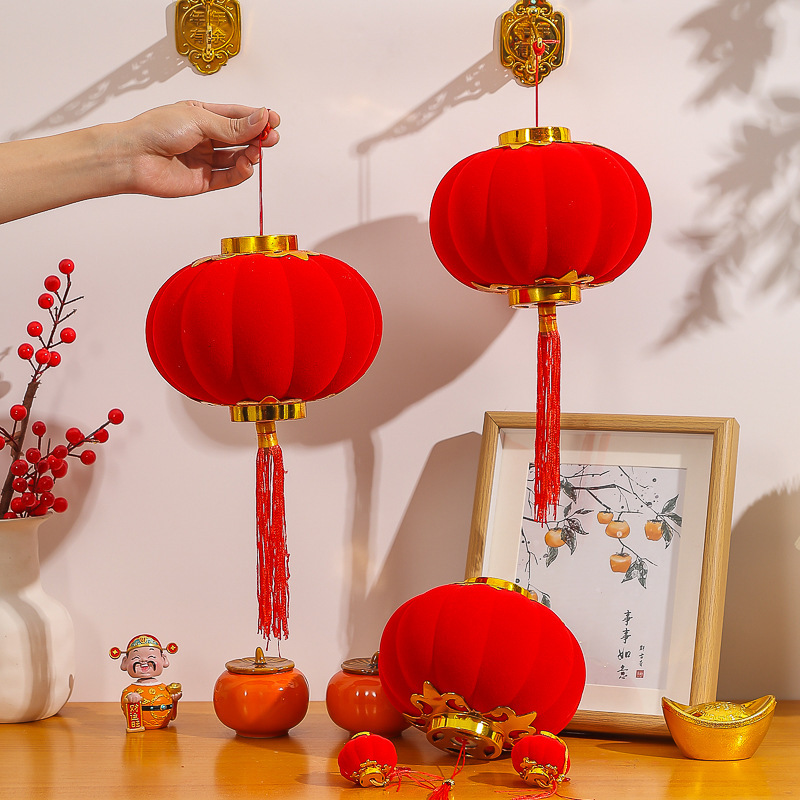
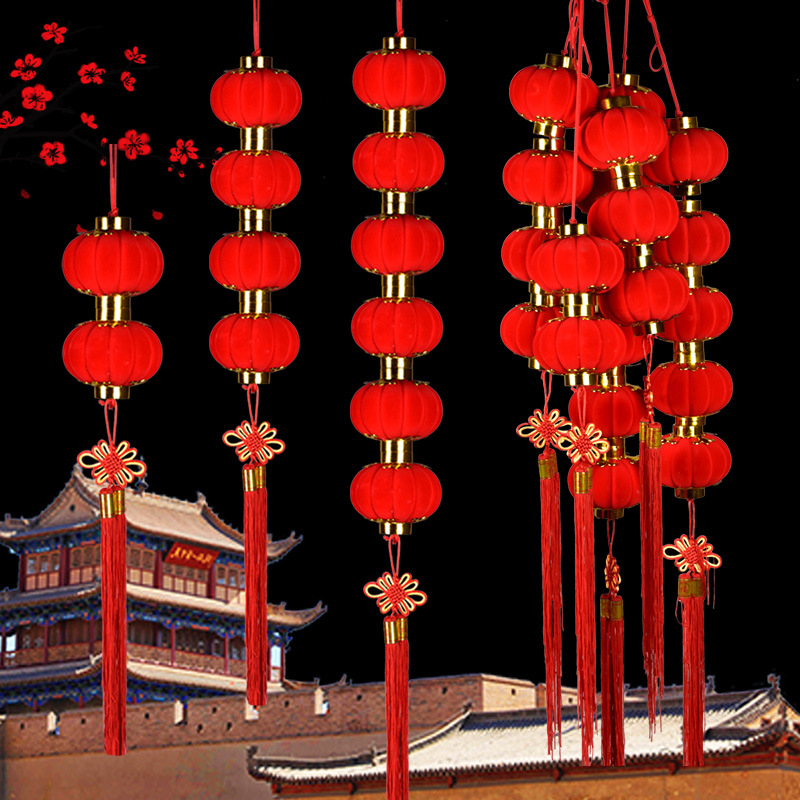
Red lanterns are a quintessential symbol of the Lunar New Year. They are often hung outside homes and in public spaces to illuminate the festivities. The lanterns symbolize the wish for a bright and prosperous year ahead. When decorating, consider placing lanterns at the entrance of your home to welcome guests and good fortune.
Couplets and Paper Cuttings
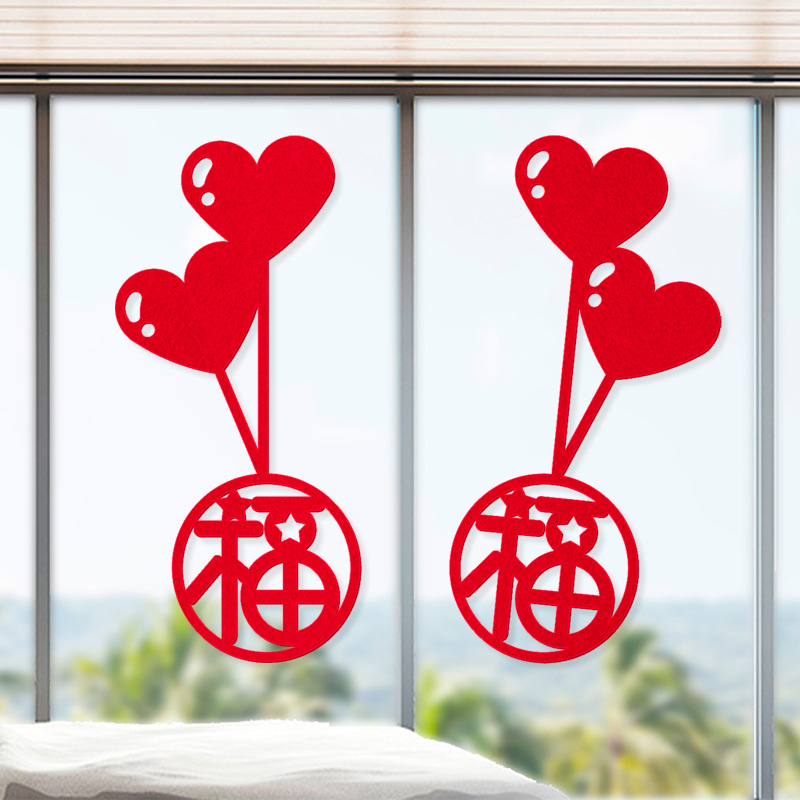
Couplets, or “chunlian,” are red banners with auspicious phrases written in gold or black ink. These are typically displayed on doorways to invite good luck and happiness. Paper cuttings, often featuring intricate designs of animals, flowers, and other symbols, are also popular. These can be placed on windows and walls to enhance the festive atmosphere.
Auspicious Symbols
Incorporating auspicious symbols into your decorations is essential. Common motifs include the character “福” (fu), which means good fortune, and images of fish, which symbolize abundance. These symbols can be found in various forms, from wall hangings to decorative items on tables.
Flowers and Plants
Flowers and plants also play a significant role in Lunar New Year decorations. Certain flowers, such as plum blossoms, orchids, and peonies, are particularly favored for their beauty and symbolism. For instance, plum blossoms represent resilience and hope, while orchids symbolize fertility and abundance. Potted plants, especially those bearing fruit like tangerines or oranges, are often displayed to attract prosperity.
The Role of Fruits
Fruits are not only decorative but also carry symbolic meanings during the Lunar New Year. Oranges and tangerines are especially popular as they are associated with wealth and good luck. The word for orange in Chinese sounds similar to the word for wealth, making it a staple in New Year celebrations. Other fruits, such as pomelos, are also favored for their round shape, symbolizing completeness and unity.
Traditional Foods as Decorations
In addition to decorative fruits, many families incorporate traditional foods into their decorations. For example, a whole fish is often placed on the dining table, symbolizing abundance and prosperity. Dumplings, shaped like ancient Chinese silver or gold ingots, are also a common sight, representing wealth. These foods not only serve as a feast for the family but also enhance the festive atmosphere.
Preparing Your Home
Cleaning and Decluttering
Before putting up decorations, it is customary to clean and declutter your home. This practice symbolizes sweeping away bad luck and making space for good fortune. It is advisable to complete this cleaning at least a few days before the New Year to ensure a fresh start. Many families take this opportunity to donate items they no longer need, further enhancing the spirit of renewal.
Setting Up an Altar
For many families, setting up a small altar is an important part of the Lunar New Year preparations. This altar may include offerings to ancestors, such as fruits, incense, and other symbolic items. It serves as a way to honor family heritage and invite blessings for the coming year. The altar is often adorned with fresh flowers and candles, creating a serene and respectful space for reflection and gratitude.
Creating a Welcoming Atmosphere
In addition to decorations, creating a welcoming atmosphere is essential for the Lunar New Year. This can be achieved through the use of lighting, scents, and music. Soft lighting can enhance the festive mood, while the scent of incense or traditional foods can evoke feelings of warmth and nostalgia. Playing traditional music or festive songs can also uplift the spirit of the celebration.
The Day Before the New Year
Final Touches
On the eve of the Lunar New Year, families often gather for a reunion dinner, which is the highlight of the celebrations. This is also the time to make any final adjustments to decorations. Ensure that all items are in place and that your home is filled with the vibrant colors and symbols of the New Year. Many families also prepare traditional dishes that hold special meanings, such as fish for abundance and dumplings for wealth.
Lighting Up the Night
As night falls on New Year’s Eve, many families light firecrackers and lanterns to ward off evil spirits and celebrate the arrival of the New Year. This tradition is believed to bring good luck and happiness for the year ahead. The sound of firecrackers is thought to scare away negative energies, making way for a fresh start.
Involving Children in the Decorating Process
Making It a Family Activity
Decorating for the Lunar New Year can be a wonderful opportunity to involve children in family traditions. Encourage them to help with tasks such as cutting out paper decorations or hanging lanterns. This not only teaches them about their cultural heritage but also creates lasting memories.
Crafting Decorations Together
Consider setting aside time for a crafting session where children can create their own decorations. Simple projects like making paper cuttings or painting auspicious symbols can be both fun and educational. This hands-on approach allows children to express their creativity while learning about the significance of each decoration.
Storytelling and Cultural Education
In addition to crafting, storytelling can be a powerful way to engage children in the traditions of the Lunar New Year. Share stories about the origins of the holiday, the significance of various symbols, and family traditions. This not only enriches their understanding but also fosters a sense of pride in their cultural identity.
Modern Takes on Traditional Decorations
Blending Old and New
While traditional decorations hold great significance, many families are now incorporating modern elements into their Lunar New Year celebrations. This can include using contemporary designs for lanterns or opting for eco-friendly materials. The key is to maintain the spirit of the holiday while adapting to modern aesthetics.
Alternative Decoration Ideas
For those looking to add a unique touch to their celebrations, consider using digital decorations or themed color schemes that reflect personal style. Some families choose to create a specific theme each year, such as focusing on a particular color palette or incorporating elements from different cultures.
Sustainable Practices
As awareness of environmental issues grows, many families are adopting sustainable practices in their Lunar New Year celebrations. This can include using reusable decorations, opting for natural materials, and minimizing waste. By making conscious choices, families can celebrate the New Year while also caring for the planet.
The Significance of Food in Celebrations
Traditional Dishes
Food plays a central role in Lunar New Year celebrations, with each dish carrying its own symbolism. For example, fish is often served to represent abundance, while dumplings symbolize wealth and prosperity. Noodles are served for longevity, and sweet rice balls (tangyuan) are enjoyed for family unity.
Preparing for the Reunion Dinner
The reunion dinner on New Year’s Eve is a time for families to come together and share a meal. This dinner often features a lavish spread of dishes, each chosen for its auspicious meaning. Preparing this meal can be a collaborative effort, with family members contributing their favorite recipes and dishes.
Sharing Food with Neighbors
In many cultures, sharing food with neighbors and friends is an important aspect of the Lunar New Year. This gesture symbolizes goodwill and community spirit. Families often prepare extra portions of their festive meals to share with those around them, fostering a sense of connection and celebration.
The Origins and Regional Variations of Decorating Traditions
Historical Context
The origins of Lunar New Year decorating traditions can be traced back thousands of years to ancient agricultural societies in China. These early celebrations were closely tied to the cycles of nature and the agricultural calendar. As societies evolved, so did the customs surrounding the New Year, incorporating various regional influences and cultural practices.
Regional Variations
Different regions have developed their own unique decorating styles and customs. For instance, in southern China, the use of bright colors and elaborate decorations is more pronounced, while northern regions may favor simpler designs. In Vietnam, the Tết holiday features peach blossoms in the north and yellow apricot flowers in the south, each symbolizing different aspects of prosperity and happiness.
Cultural Influences
The Lunar New Year is celebrated by various cultures, each adding its own flavor to the festivities. In Korea, for example, Seollal is marked by traditional games and rituals, with decorations often featuring the colors blue and white. In contrast, the celebrations in Malaysia and Singapore may incorporate multicultural elements, reflecting the diverse populations in these regions.
Choosing Decorations Based on Zodiac Signs
Understanding the Zodiac
The Chinese zodiac consists of twelve animals, each representing different personality traits and fortunes. Many families choose decorations that align with the zodiac sign of the upcoming year. For example, if the year is the Year of the Rabbit, decorations may feature rabbit motifs or symbols associated with this animal.
Personalizing Your Decor
Choosing decorations based on zodiac signs can add a personal touch to your celebrations. Families can incorporate colors and symbols that correspond to their zodiac sign, creating a unique and meaningful atmosphere. This practice not only enhances the festive spirit but also connects individuals to their cultural heritage.
Conclusion
Decorating for the Lunar New Year is a cherished tradition that brings families together and sets the stage for a joyful celebration. By starting your preparations about a week before the New Year, you can create a festive atmosphere that honors cultural customs and invites good fortune. Remember to incorporate traditional symbols, clean your home, and enjoy the process of decorating with loved ones. The Lunar New Year is not just about the decorations; it is about the spirit of renewal, family togetherness, and the hope for a prosperous year ahead.
How to purchase:Online B2B sourcing platform, China purchase, Chinese suppliers – LooperBuy
Frequently Asked Questions
1. When is the best time to start decorating for the Lunar New Year?
The best time to start decorating is about a week before the Lunar New Year, typically around January 22 for the 2025 celebrations.
2. What are some common decorations for the Lunar New Year?
Common decorations include red lanterns, couplets, paper cuttings, and auspicious symbols like the character “福” (fu).
3. Why is the color red significant during the Lunar New Year?
Red symbolizes good luck and prosperity, making it a favored color for decorations during the Lunar New Year.
4. What should I do before decorating my home?
It is customary to clean and declutter your home before decorating to sweep away bad luck and make space for good fortune.
5. How long do Lunar New Year decorations stay up?
Traditionally, decorations are kept up until the Lantern Festival, which is the 15th day of the Lunar New Year.
HOT TAG: Lunar New Year celebrations, festive decorations, cultural traditions, auspicious symbols, red lanterns, couplets for good luck, paper cuttings, family reunion dinner, traditional foods, cleaning rituals, welcoming good fortune, zodiac sign decorations, vibrant atmosphere, community spirit, sharing food with neighbors, modern takes on traditions, eco-friendly practices, engaging children in festivities, historical origins of customs, regional variations in celebrations, significance of colors, creating a welcoming home, honoring ancestors, preparing for the Lantern Festival, enhancing family bonds, celebrating cultural heritage.