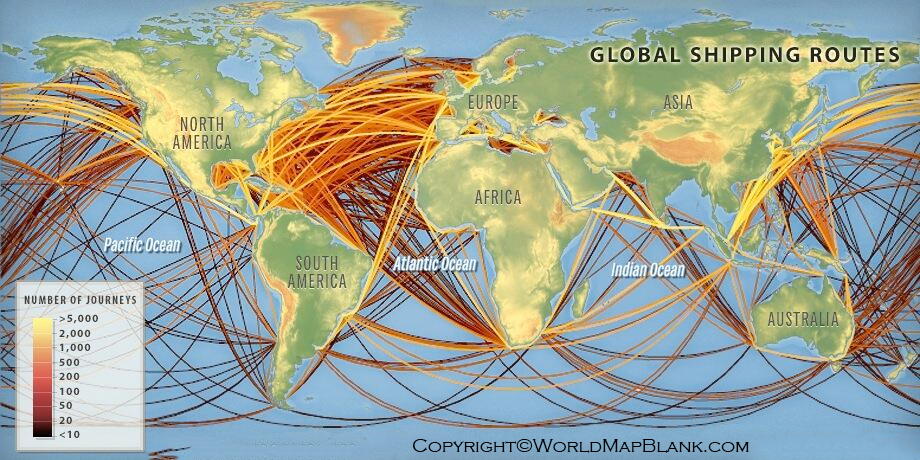
The world of international trade is intricately linked to the vast network of shipping routes that crisscross the oceans. These major global shipping routes are not just pathways for goods; they are the lifelines of economies, connecting producers and consumers across continents. This article delves into the significance of these routes, their historical evolution, and their impact on global trade dynamics.
Table of Contents
Understanding Major Global Shipping Routes
Shipping routes are the designated paths that vessels follow to transport goods from one port to another. These routes are influenced by various factors, including geography, trade agreements, and economic conditions. The major global shipping routes can be categorized into several key corridors that facilitate the movement of goods across the globe.
The Importance of Shipping Routes
Shipping routes are crucial for several reasons:
- Economic Growth: They enable countries to engage in international trade, which is essential for economic development. By facilitating the exchange of goods, shipping routes contribute to job creation and increased GDP.
- Global Supply Chains: Modern economies rely on complex supply chains that span multiple countries. Shipping routes are vital for the timely delivery of raw materials and finished products, ensuring that businesses can operate efficiently.
- Cultural Exchange: Beyond goods, shipping routes also facilitate the exchange of ideas and cultures. They allow for the movement of people and information, fostering global interconnectedness.
- Resource Distribution: Many countries depend on shipping routes to import essential resources that are not available domestically. This includes everything from oil and gas to food and raw materials.
- Tourism and Travel: Shipping routes are not only for cargo; they also support passenger travel. Cruise ships and ferries operate on these routes, contributing to the tourism industry and enhancing cultural exchange.
Major Shipping Routes Around the World
Several key shipping routes dominate global trade, each with its unique characteristics and significance.
The Panama Canal
The Panama Canal is one of the most significant engineering feats in history, connecting the Atlantic and Pacific Oceans. This canal drastically reduces the travel distance for ships, allowing them to avoid the lengthy journey around South America. The canal is a critical artery for trade between the United States and Asia, as well as for Latin American countries.
Economic Impact of the Panama Canal
The economic implications of the Panama Canal are profound. It has transformed Panama into a major logistics hub, attracting investments and boosting local economies. The canal’s expansion in 2016 further increased its capacity, allowing larger vessels to transit and enhancing its role in global trade. The canal’s tolls are a significant source of revenue for Panama, contributing to the country’s economic stability.
Challenges Faced by the Panama Canal
Despite its advantages, the Panama Canal faces challenges such as increased traffic and the need for maintenance. The expansion project aimed to accommodate larger ships, but this has also led to concerns about environmental impacts and the canal’s ability to handle the growing number of vessels.
The Suez Canal
Similar to the Panama Canal, the Suez Canal serves as a vital link between Europe and Asia. Located in Egypt, it connects the Mediterranean Sea to the Red Sea, significantly shortening the maritime route between Europe and the Indian Ocean.
Strategic Importance of the Suez Canal
The Suez Canal is not only a critical shipping route but also a strategic geopolitical asset. Control over this canal has historically been a point of contention among nations, highlighting its importance in global trade dynamics. The canal’s closure or disruption can have immediate and far-reaching effects on international shipping and trade.
Recent Incidents and Their Impact
The Suez Canal gained global attention in March 2021 when the Ever Given, a large container ship, became lodged in the canal, blocking traffic for six days. This incident underscored the vulnerability of major shipping routes and the potential for significant economic repercussions. The blockage caused delays in the delivery of goods worldwide, highlighting the interconnectedness of global supply chains.
The Strait of Malacca
The Strait of Malacca is one of the busiest shipping lanes in the world, located between the Malay Peninsula and the Indonesian island of Sumatra. This narrow passage is crucial for vessels traveling between the Indian Ocean and the South China Sea.
Challenges in the Strait of Malacca
While the Strait of Malacca is vital for global trade, it also presents challenges. The narrowness of the strait makes it susceptible to congestion and piracy, which can disrupt shipping operations. Efforts to enhance security and improve navigation in this region are ongoing.
Piracy and Security Measures
Piracy has been a significant concern in the Strait of Malacca, with incidents reported over the years. In response, regional governments and international organizations have implemented various security measures, including increased naval patrols and cooperation among countries to combat piracy. These efforts aim to ensure the safety of vessels transiting through this critical shipping lane.
The Role of Technology in Shipping Routes
Advancements in technology have significantly impacted how shipping routes are managed and optimized. From navigation systems to cargo tracking, technology plays a crucial role in enhancing the efficiency and safety of maritime transport.
Navigation and Tracking Systems
Modern vessels are equipped with sophisticated navigation systems that utilize GPS and satellite technology. These systems allow for real-time tracking of ships, enabling better route planning and reducing the risk of accidents.
Automation and AI in Shipping
The shipping industry is increasingly adopting automation and artificial intelligence (AI) to improve operational efficiency. Automated systems can optimize routes based on weather conditions, traffic, and other factors, leading to reduced fuel consumption and lower emissions. AI can also enhance predictive maintenance, helping to prevent breakdowns and delays.
Environmental Considerations
As the shipping industry faces increasing scrutiny over its environmental impact, technology is also being leveraged to create more sustainable practices. Innovations such as cleaner fuels and energy-efficient vessels are being developed to minimize the carbon footprint of shipping operations.
Green Shipping Initiatives
Many shipping companies are investing in green technologies to comply with international regulations and meet consumer demand for sustainable practices. Initiatives include the use of alternative fuels, such as liquefied natural gas (LNG) and hydrogen, as well as the development of wind-assisted propulsion systems to reduce reliance on fossil fuels.
Future Trends in Global Shipping Routes
The landscape of global shipping routes is continually evolving, influenced by economic, political, and environmental factors. Understanding these trends is essential for stakeholders in the shipping industry.
The Rise of E-commerce
The growth of e-commerce has transformed shipping routes, with an increasing demand for faster and more efficient delivery systems. This trend is prompting shipping companies to adapt their operations to meet the needs of online retailers and consumers.
Last-Mile Delivery Challenges
As e-commerce continues to expand, the challenge of last-mile delivery becomes more pronounced. Shipping routes must be optimized not only for long-distance transport but also for efficient delivery to consumers’ doorsteps. This has led to innovations in logistics, including the use of drones and autonomous vehicles for last-mile delivery.
Impact of Trade Agreements
Trade agreements between countries can also reshape shipping routes. By reducing tariffs and trade barriers, these agreements can lead to increased trade volumes and the emergence of new shipping corridors.
Regional Trade Agreements
Regional trade agreements, such as the Comprehensive and Progressive Agreement for Trans-Pacific Partnership (CPTPP) and the Regional Comprehensive Economic Partnership (RCEP), are influencing shipping routes by promoting trade among member countries. These agreements can lead to the development of new trade routes and increased shipping activity in specific regions.
Environmental Regulations
As global awareness of climate change grows, shipping routes are likely to be affected by stricter environmental regulations. The industry will need to adapt to these changes, potentially leading to the development of new, more sustainable shipping practices.
The International Maritime Organization (IMO) Regulations
The International Maritime Organization (IMO) has set ambitious targets for reducing greenhouse gas emissions from shipping. These regulations will require the industry to invest in cleaner technologies and rethink traditional shipping practices, which could significantly impact global shipping routes.
The Economic Factors Influencing Shipping Costs
Understanding the cost structure of shipping via major global routes is essential for businesses and policymakers. Several factors determine the cost of shipping, including:
Fuel Prices
Fuel costs are one of the most significant expenses for shipping companies. Fluctuations in oil prices can directly impact shipping rates, making it essential for companies to manage fuel efficiency and explore alternative energy sources.
Port Fees and Charges
Ports charge various fees for services such as docking, loading, and unloading cargo. These fees can vary significantly between ports, influencing shipping decisions. Companies often choose ports based on the overall cost of doing business, including these fees.
Vessel Size and Capacity
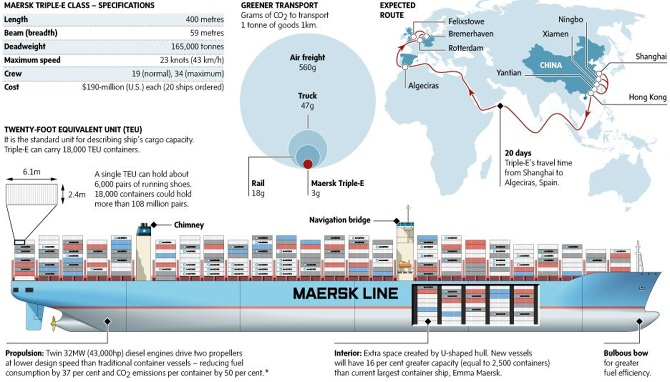
The size of the vessel and its cargo capacity also play a crucial role in determining shipping costs. Larger vessels can benefit from economies of scale, reducing the cost per unit of cargo transported. However, the initial investment in larger vessels can be substantial.
Insurance and Risk Management
Shipping companies must also consider insurance costs, which can vary based on the route’s risk profile. High-risk areas may require additional insurance coverage, increasing overall shipping costs.
Currency Fluctuations
International shipping often involves multiple currencies, and fluctuations in exchange rates can impact the cost of shipping. Companies must manage currency risk to maintain profitability.
Weather Patterns and Climate Change
Weather patterns and climate change are increasingly affecting major global shipping routes. Understanding these impacts is crucial for the industry.
Weather-Related Disruptions
Severe weather events, such as hurricanes and typhoons, can disrupt shipping schedules and routes. Shipping companies must monitor weather forecasts and adjust their operations accordingly to avoid delays and ensure safety.
Climate Change Impacts
Climate change is leading to rising sea levels and changing ocean currents, which can affect shipping routes. For example, melting Arctic ice is opening new shipping lanes, but it also presents challenges related to navigation and environmental protection.
Adaptation Strategies
The shipping industry is exploring adaptation strategies to mitigate the impacts of climate change. This includes investing in resilient infrastructure, improving vessel design to withstand extreme weather, and developing contingency plans for disruptions.
Conclusion
Major global shipping routes are the backbone of international trade, facilitating the movement of goods and fostering economic growth. Understanding these routes, their significance, and the challenges they face is crucial for anyone involved in global commerce. As the industry evolves, stakeholders must remain adaptable to the changing landscape, leveraging technology and innovation to ensure the continued efficiency and sustainability of shipping operations.
As you explore the vast world of global shipping routes and their impact on international trade, consider enhancing your own logistics and shopping experience with innovative solutions. Discover more at LooperBuy.
Article Summary: This article explores the significance of major global shipping routes in international trade. It discusses key routes such as the Panama Canal, Suez Canal, and Strait of Malacca, highlighting their economic impact and strategic importance. The role of technology in enhancing shipping efficiency, future trends in the industry, and the economic factors influencing shipping costs are also examined.
Hot Tags: Global Shipping Routes; International Trade; Panama Canal; Suez Canal; Strait of Malacca; Maritime Transport; Supply Chain; E-commerce Shipping; Shipping Technology; Environmental Impact; Trade Agreements; Shipping Industry Trends; Navigation Systems; Cargo Tracking; Shipping Efficiency; Global Economy; Logistics; Shipping Challenges; Shipping Innovations; Sustainable Shipping; Shipping Regulations; Shipping Congestion; Piracy in Shipping; Shipping Security; Shipping Infrastructure; Global Trade Dynamics; Shipping Costs; Shipping Networks; Maritime Logistics; Shipping Services.
Related Questions & Answers
· What are the main factors determining the cost of shipping via major global routes?
The main factors include fuel prices, port fees, vessel size and capacity, insurance costs, and currency fluctuations, all of which can significantly impact shipping expenses.
· How do weather patterns and climate change affect major global shipping routes?
Weather patterns can cause disruptions in shipping schedules, while climate change is leading to rising sea levels and changing ocean currents, affecting navigation and route planning.
· What are the emerging alternative routes to the Panama and Suez Canals?
Emerging alternative routes include the Northern Sea Route through the Arctic, which is becoming more navigable due to melting ice, and potential new corridors in Africa and Asia as trade patterns shift.