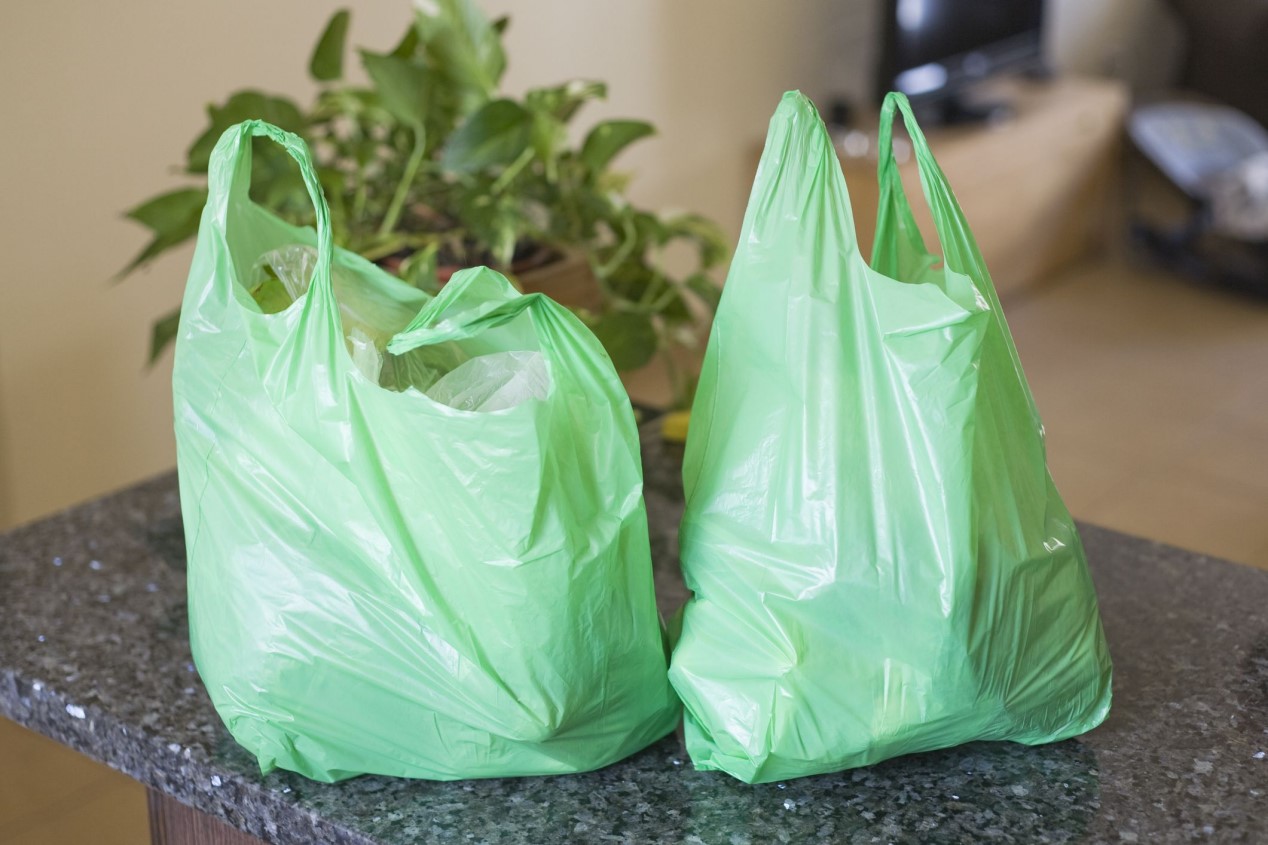
Plastic grocery bags have become a ubiquitous part of modern shopping, often seen as a convenient option for carrying groceries and other items. However, their environmental impact has sparked significant debate. This article explores the various aspects of plastic grocery bags, including their convenience, environmental implications, and the ongoing shift towards more sustainable alternatives.
Table of Contents
The Convenience of Plastic Grocery Bags
Easy to Use and Lightweight
Plastic grocery bags are incredibly lightweight and easy to carry. They can hold a substantial amount of weight without tearing, making them ideal for transporting groceries. Their design allows for easy folding and storage, which is a significant advantage for consumers who may not have reusable bags on hand. Additionally, the flexibility of plastic bags means they can easily conform to the shape of the items inside, maximizing space and making them suitable for a variety of products, from fresh produce to bulky items. This adaptability is particularly beneficial for shoppers who need to fit their purchases into limited space, such as in a car trunk or a small apartment.
Cost-Effective for Retailers
For retailers, plastic grocery bags are a cost-effective solution. They are cheaper to produce than paper bags and can be purchased in bulk, reducing overall costs for businesses. This affordability often leads to their widespread use in grocery stores and supermarkets. Furthermore, the low cost of plastic bags allows retailers to offer them for free or at a minimal charge, which can enhance customer satisfaction and encourage more purchases. The economic benefits extend beyond just the price; the lightweight nature of plastic bags also reduces shipping costs for retailers, making them an attractive option from a logistical standpoint.
Versatile Applications
Beyond grocery shopping, plastic bags serve various purposes. They can be used for storing items at home, lining trash cans, or even as makeshift storage for small items. Their versatility adds to their appeal, making them a staple in many households. For instance, many people repurpose plastic bags for organizing items in their homes, such as toys, shoes, or seasonal decorations. Additionally, plastic bags can be used for packing lunches, protecting items from moisture, or even as temporary covers for food. This multifunctionality contributes to their continued popularity, as consumers appreciate products that can serve multiple roles.
Environmental Concerns Surrounding Plastic Grocery Bags
Pollution and Wildlife Impact
One of the most pressing issues with plastic grocery bags is their contribution to pollution. When discarded improperly, these bags can end up in oceans and waterways, posing a threat to marine life. Animals often mistake plastic for food, leading to ingestion that can be fatal. Additionally, plastic bags can entangle wildlife, causing injury or death. The impact of plastic pollution extends beyond individual animals; entire ecosystems can be disrupted as plastic waste accumulates. For example, marine species that ingest microplastics can suffer from health issues, which can then affect the food chain and ultimately human health. The visual pollution of plastic bags littering beaches and parks also detracts from natural beauty, impacting tourism and local economies.
Non-Biodegradable Nature
Plastic grocery bags are made from polyethylene, a type of plastic that does not biodegrade. Instead, they break down into smaller microplastics over time, which can persist in the environment for hundreds of years. This long lifespan raises concerns about the accumulation of plastic waste in landfills and natural habitats. Unlike organic materials that decompose and enrich the soil, plastic bags contribute to soil and water contamination. The presence of microplastics in the environment has been linked to various health issues in wildlife and humans, as these tiny particles can enter the food chain. The challenge of managing plastic waste is compounded by the sheer volume of plastic produced each year, making it a critical issue for environmental sustainability.
Recycling Challenges
While many plastic grocery bags are technically recyclable, the reality is that a significant portion ends up in landfills. Recycling facilities often struggle to process plastic bags due to their lightweight nature, which can clog machinery. As a result, many consumers are unaware of the proper recycling methods, leading to increased waste. The lack of convenient recycling options further complicates the issue; many communities do not have accessible facilities for recycling plastic bags, forcing consumers to choose between throwing them away or hoarding them at home. Additionally, the contamination of plastic bags with food residues can render them unrecyclable, further exacerbating the problem. This highlights the need for better education on recycling practices and the importance of reducing plastic consumption.
The Shift Towards Sustainable Alternatives
Reusable Grocery Bags
In response to the environmental concerns associated with plastic grocery bags, many consumers are turning to reusable grocery bags. These bags are typically made from durable materials such as cotton, jute, or recycled plastics, making them a more sustainable option. Reusable bags can significantly reduce the number of single-use plastic bags in circulation, helping to mitigate environmental impact. Many reusable bags are designed to be machine washable, allowing for easy cleaning and long-term use. This durability not only makes them more environmentally friendly but also more cost-effective in the long run, as consumers can use them for years instead of purchasing disposable bags repeatedly. The growing trend of using reusable bags is also supported by various campaigns and initiatives aimed at promoting sustainable shopping practices.
Biodegradable Plastic Bags
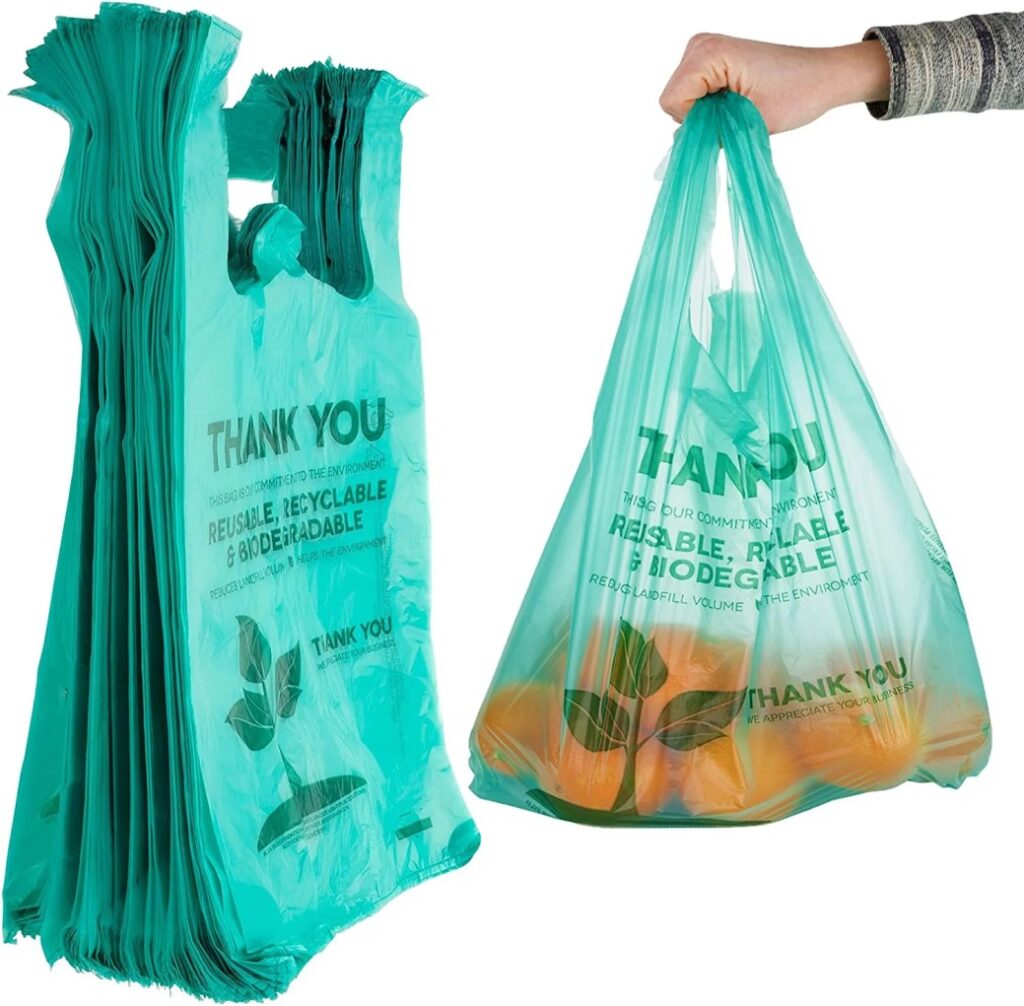
Another alternative gaining popularity is biodegradable plastic bags. These bags are designed to break down more quickly than traditional plastic bags, reducing their environmental footprint. However, the effectiveness of biodegradable bags depends on specific conditions, such as exposure to sunlight and moisture, which may not always be present in landfills. While biodegradable bags offer a potential solution to plastic waste, they are not a panacea. Some biodegradable bags still require industrial composting facilities to break down effectively, which are not available in all areas. Consumers must be educated about the proper disposal methods for these bags to ensure they fulfill their intended purpose. Additionally, the production of biodegradable bags can still have environmental impacts, so it is essential to consider the entire lifecycle of the product.
Legislative Changes
Many regions are implementing legislation to reduce or ban the use of plastic grocery bags. For example, California has enacted laws prohibiting plastic bags in grocery stores, encouraging consumers to adopt more sustainable practices. Such legislative measures aim to decrease plastic waste and promote the use of eco-friendly alternatives. These laws often include provisions for providing reusable bags at a low cost or encouraging retailers to offer incentives for customers who bring their bags. The success of these initiatives can be seen in the significant reduction of plastic bag usage in areas where such laws have been enacted. As more regions adopt similar measures, the collective impact on plastic waste reduction can be substantial, fostering a cultural shift towards sustainability.
Consumer Awareness and Responsibility
Educating Consumers
Raising awareness about the environmental impact of plastic grocery bags is crucial. Consumers need to understand the importance of making informed choices when it comes to shopping. Education campaigns can help highlight the benefits of reusable bags and the proper disposal and recycling methods for plastic bags. Schools, community organizations, and retailers can collaborate to provide information on the environmental consequences of plastic waste and promote sustainable alternatives. By fostering a culture of environmental responsibility, consumers can be empowered to make choices that align with their values and contribute to a healthier planet.
Encouraging Sustainable Practices
Retailers can play a significant role in promoting sustainable practices. By offering incentives for customers who bring their reusable bags, such as discounts or loyalty points, stores can encourage a shift away from single-use plastic bags. Additionally, providing information on the environmental impact of plastic bags can help consumers make more conscious decisions. Retailers can also lead by example by reducing their own plastic usage in packaging and operations. Collaborating with local environmental organizations to host events or workshops can further engage the community and promote sustainable shopping habits. As consumers become more aware of their choices, they are likely to support businesses that prioritize sustainability.
Conclusion
Plastic grocery bags offer convenience and cost-effectiveness, but their environmental impact cannot be ignored. As awareness of plastic pollution grows, consumers and retailers alike are beginning to embrace more sustainable alternatives. The shift towards reusable and biodegradable bags, coupled with legislative changes, represents a positive step towards reducing plastic waste. Ultimately, the responsibility lies with consumers to make informed choices that benefit both their shopping experience and the environment. By choosing sustainable options and advocating for change, individuals can contribute to a healthier planet for future generations.
How to purchase:https://looperbuy.com/search?keywords=Plastic+Grocery+Bags
Frequently Asked Questions
1. What are the environmental impacts of plastic grocery bags?
Plastic grocery bags contribute to pollution, harm wildlife, and take hundreds of years to decompose, leading to significant environmental concerns. Their presence in oceans and landfills poses a threat to ecosystems and human health.
2. Are reusable grocery bags better for the environment?
Yes, reusable grocery bags are generally more sustainable as they reduce the need for single-use plastic bags and can be used multiple times. Their durability and versatility make them a more eco-friendly choice for consumers.
3. What are biodegradable plastic bags?
Biodegradable plastic bags are designed to break down more quickly than traditional plastic bags, reducing their environmental impact when disposed of properly. However, their effectiveness depends on specific conditions that may not always be met in landfills.
4. How can I properly recycle plastic grocery bags?
Many grocery stores have designated recycling bins for plastic bags. It’s essential to check local recycling guidelines, as not all facilities accept plastic bags. Proper disposal and recycling practices can help reduce plastic waste.
5. What alternatives are available to plastic grocery bags?
Alternatives include reusable bags made from materials like cotton or jute, biodegradable plastic bags, and paper bags, which are often more environmentally friendly. Each option has its benefits and drawbacks, so consumers should consider their choices carefully.