Wall metal sculptures have emerged as a captivating form of artistic expression, seamlessly blending creativity with functionality. These unique pieces not only serve as decorative elements but also as conversation starters, adding depth and character to any space. In this article, we will explore the various aspects of wall metal sculptures, including their history, design techniques, and the impact they have on interior and exterior environments.
Table of Contents
The History of Metal Sculpture
Metal sculpture has a rich history that dates back thousands of years. From ancient civilizations to modern artists, metal has been a favored medium for creating durable and striking artworks.
Ancient Beginnings
The use of metal in sculpture can be traced back to ancient cultures such as the Egyptians, Greeks, and Romans. These civilizations utilized bronze and gold to create statues and decorative items that symbolized power and divinity. The lost-wax casting technique, developed during this time, allowed artists to create intricate designs that have stood the test of time.
In ancient Egypt, metal sculptures often depicted gods and pharaohs, serving both religious and political purposes. The Greeks advanced the art of metalworking, creating life-sized statues that celebrated human beauty and athleticism. The Romans further refined these techniques, producing detailed busts and reliefs that adorned public spaces and private homes.
The Renaissance and Beyond
The Renaissance marked a significant turning point in the history of metal sculpture. Artists like Donatello and Michelangelo pushed the boundaries of metalworking, creating lifelike figures that showcased human emotion and anatomy. This period also saw the introduction of new techniques, such as welding and soldering, which expanded the possibilities for metal artists.
During the Renaissance, metal sculptures were often commissioned by churches and wealthy patrons, leading to a flourishing of artistic talent. The use of bronze became particularly popular, as it allowed for intricate details and a range of finishes. This era laid the groundwork for future generations of metal sculptors, who would continue to innovate and explore new forms.
Modern Metal Sculpture
In the 20th century, metal sculpture evolved dramatically with the advent of industrial materials and techniques. Artists like Alexander Calder and David Smith experimented with abstract forms and kinetic sculptures, challenging traditional notions of art. Calder’s mobiles, for instance, introduced movement into sculpture, while Smith’s large-scale works often combined geometric shapes with organic forms.
Today, contemporary artists continue to innovate, using a variety of metals and techniques to create stunning wall sculptures that reflect personal and cultural narratives. The rise of technology has also influenced metal sculpture, with artists utilizing computer-aided design (CAD) and laser cutting to achieve precision and complexity in their work.
Design Techniques in Wall Metal Sculptures
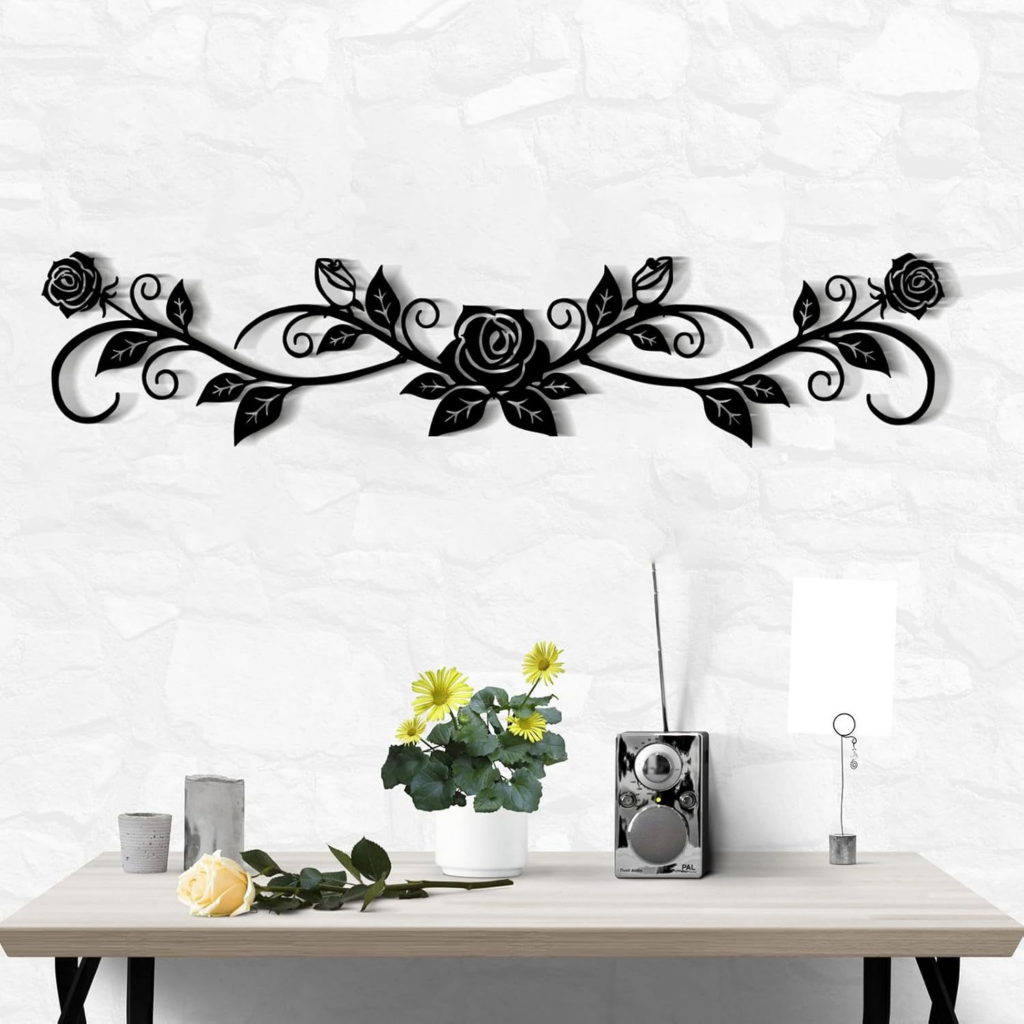
Creating a wall metal sculpture involves a combination of artistic vision and technical skill. Various techniques are employed to achieve different effects, each contributing to the overall aesthetic of the piece.
Welding and Fabrication
Welding is a fundamental technique in metal sculpture, allowing artists to join different metal pieces together. This process can create both structural integrity and intricate designs. Fabrication involves cutting, bending, and assembling metal sheets to form the desired shape. Artists often use tools like plasma cutters and torches to achieve precision in their work.
The choice of welding technique can significantly affect the final appearance of the sculpture. For instance, MIG welding is often used for its speed and ease, while TIG welding provides greater control and a cleaner finish. Artists may also incorporate rivets and bolts for added texture and visual interest.
Patina and Finishing Techniques
The surface treatment of metal sculptures plays a crucial role in their final appearance. Patinas, which are chemical treatments applied to metal, can create a range of colors and textures. Artists may choose to leave the metal raw for a rustic look or apply a clear coat for a polished finish. These choices can significantly impact the sculpture’s interaction with light and its surroundings.
Different metals react uniquely to patinas. For example, copper develops a green patina over time, while bronze can take on a rich brown hue. Artists often experiment with various chemicals to achieve specific effects, allowing for a high degree of customization in their work.
Incorporating Mixed Media
Many contemporary artists are now incorporating mixed media into their wall metal sculptures. This can include the use of glass, wood, or found objects, adding layers of complexity and interest. By combining different materials, artists can create dynamic pieces that engage viewers on multiple levels.
The integration of mixed media allows for a broader exploration of themes and concepts. For instance, an artist might combine metal with natural elements like wood or stone to create a dialogue between the organic and the industrial. This approach not only enhances the visual appeal of the sculpture but also invites deeper reflection on the relationship between materials and meaning.
The Impact of Wall Metal Sculptures on Spaces
Wall metal sculptures can dramatically transform both residential and commercial spaces. Their ability to capture attention and evoke emotion makes them a valuable addition to any environment.
Enhancing Interior Spaces

In interior design, wall metal sculptures can serve as focal points that draw the eye and create a sense of depth. They can be used to complement existing decor or to introduce a bold statement. For example, a large, abstract metal piece can add a modern touch to a minimalist room, while a more traditional design can enhance a classic aesthetic.
The placement of a wall metal sculpture is crucial for maximizing its impact. Consideration should be given to the surrounding colors, textures, and lighting. A well-placed sculpture can create a harmonious balance within the space, enhancing the overall design.
Outdoor Installations
Metal sculptures are not limited to indoor spaces; they can also enhance outdoor environments. Garden sculptures, for instance, can create a harmonious connection between nature and art. Weather-resistant metals, such as stainless steel and corten steel, are often used for outdoor pieces, ensuring durability against the elements.
Outdoor sculptures can serve various purposes, from providing visual interest in a garden to acting as a landmark in public spaces. Artists often consider the natural surroundings when designing outdoor pieces, ensuring that they complement the landscape and enhance the viewer’s experience.
Commercial Applications
In commercial settings, wall metal sculptures can enhance branding and create a memorable atmosphere. Businesses often use art to convey their values and identity, making sculptures an effective marketing tool. For instance, a tech company might opt for a sleek, modern sculpture that reflects innovation, while a restaurant might choose a warm, inviting piece that enhances the dining experience.
Art in commercial spaces can also improve employee morale and customer satisfaction. Studies have shown that well-designed environments can positively impact productivity and creativity. By incorporating wall metal sculptures, businesses can create a more engaging and inspiring atmosphere for both employees and clients.
Choosing the Right Wall Metal Sculpture
Selecting the perfect wall metal sculpture involves considering various factors, including style, size, and placement. Here are some tips to guide your decision-making process.
Assessing Your Space
Before purchasing a wall metal sculpture, assess the space where it will be displayed. Consider the size of the wall and the surrounding decor. A large sculpture can dominate a small room, while a small piece may get lost on a vast wall. Aim for a balance that complements the overall aesthetic.
Defining Your Style
Wall metal sculptures come in a variety of styles, from abstract to representational. Determine what resonates with you and fits your space. If you prefer a modern look, consider geometric designs or minimalist pieces. For a more traditional feel, look for sculptures that incorporate organic shapes or historical motifs.
Placement Considerations
The placement of your sculpture is crucial for maximizing its impact. Consider factors such as lighting, visibility, and the flow of the room. A well-placed sculpture can enhance the ambiance and create a sense of harmony within the space.
Customization Options
Many artists offer customization options for wall metal sculptures, allowing you to create a piece that perfectly fits your vision. This can include size adjustments, color choices, and the incorporation of personal elements. Collaborating with an artist can result in a unique sculpture that reflects your personality and style.
The Future of Wall Metal Sculptures
As technology continues to advance, the future of wall metal sculptures looks promising. Artists are increasingly exploring new materials and techniques, pushing the boundaries of what is possible in metal sculpture.
Innovations in Materials
The development of new alloys and composite materials is expanding the possibilities for metal sculpture. Artists can now experiment with lighter, more durable materials that offer unique aesthetic qualities. Additionally, the use of recycled metals is becoming more prevalent, allowing artists to create sustainable works of art.
Digital Art and Metal Sculpture
The rise of digital art is also influencing the world of metal sculpture. Artists are using computer software to design intricate patterns and forms, which can then be translated into physical sculptures using advanced manufacturing techniques. This fusion of technology and traditional craftsmanship is opening up new avenues for creativity.
Community Engagement and Public Art
Public art installations are becoming increasingly popular, with wall metal sculptures playing a significant role in community engagement. Artists are collaborating with local organizations to create large-scale sculptures that reflect the culture and identity of a community. These projects not only beautify public spaces but also foster a sense of pride and connection among residents.
Conclusion
Wall metal sculptures are more than just decorative items; they are expressions of creativity that can transform any environment. With a rich history and a variety of design techniques, these sculptures offer endless possibilities for enhancing both interior and exterior spaces. Whether you are an art enthusiast or simply looking to elevate your decor, investing in a wall metal sculpture can bring a unique touch to your home or business.
How to purchase:Online B2B sourcing platform, China purchase, Chinese suppliers – LooperBuy
Article Summary
This article explores the captivating world of wall metal sculptures, discussing their historical significance, design techniques, and impact on various spaces. From ancient civilizations to contemporary artists, metal has been a favored medium for creating striking artworks. The article also provides tips for selecting the right sculpture to enhance your environment.
Hot Tags: Wall Art; Metal Sculpture; Home Decor; Interior Design; Outdoor Sculpture; Contemporary Art; Abstract Sculpture; Metal Wall Art; Sculpture Techniques; Art Installation; Modern Decor; Artistic Expression; Metalworking; Design Inspiration; Unique Art Pieces; Kinetic Sculpture; Garden Art; Industrial Design; Creative Spaces; Art Collecting; Custom Sculptures; Decorative Art; Artistic Home; Sculpture Gallery; Art Trends; Metal Fabrication; Wall Decor; Art and Design; Sculpture History; Mixed Media Art
Related Questions & Answers
· What are the best metals for outdoor wall sculptures to resist corrosion?
Stainless steel and corten steel are excellent choices for outdoor sculptures due to their resistance to corrosion and weathering.
· How do artists create different textures and patinas on metal sculptures?
Artists use various chemical treatments and techniques, such as sandblasting or brushing, to create textures and apply patinas that enhance the visual appeal of the metal.
· What are the key considerations for lighting a wall metal sculpture to enhance its visual impact?
Consider the angle and intensity of the light, as well as the sculpture’s surface texture. Highlighting specific features can create dramatic shadows and enhance the sculpture’s overall presence.