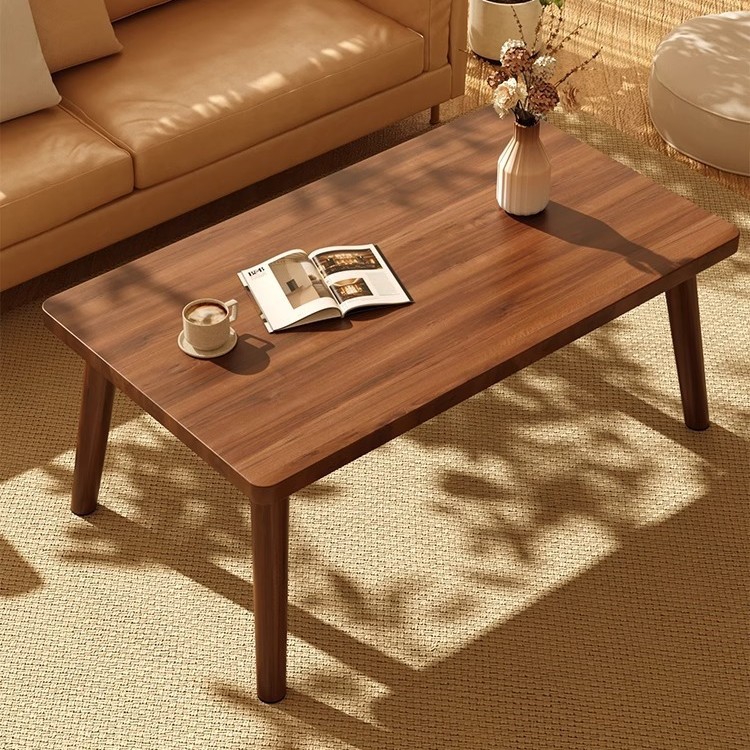
In recent years, the demand for small furniture companies has surged as consumers seek unique, high-quality pieces that reflect their personal style and values. These companies often prioritize craftsmanship, sustainability, and innovative design, setting themselves apart from mass-produced furniture. This article delves into the landscape of small furniture companies, exploring their significance, the trends shaping the industry, and how they cater to the evolving needs of consumers.
Table of Contents
The Rise of Small Furniture Companies
A Shift in Consumer Preferences
The furniture industry has witnessed a significant shift in consumer preferences over the past decade. As people become more conscious of their purchasing decisions, many are turning away from large, impersonal retailers in favor of small furniture companies that offer distinctive products. This trend is driven by a desire for individuality and a growing awareness of the environmental impact of consumerism. Consumers are increasingly looking for pieces that not only serve a functional purpose but also tell a story and reflect their values.
Emphasis on Craftsmanship
Small furniture companies often pride themselves on their craftsmanship. Unlike mass-produced items, which are typically made using automated processes, small furniture pieces are often handcrafted by skilled artisans. This attention to detail not only enhances the quality of the furniture but also imbues each piece with a story and character that mass-produced items lack. The artisans behind these creations often have years of experience and a deep understanding of materials, techniques, and design principles, which translates into furniture that is not only beautiful but also durable.
Sustainability and Ethical Practices
Sustainability is another critical factor driving the popularity of small furniture companies. Many of these businesses prioritize eco-friendly materials and ethical manufacturing practices. By sourcing sustainable wood, using non-toxic finishes, and minimizing waste, small furniture companies appeal to environmentally conscious consumers. This commitment to sustainability not only benefits the planet but also resonates with customers who value transparency and responsibility in their purchasing decisions. Furthermore, many small companies are adopting circular economy principles, designing furniture that can be easily repaired, reused, or recycled.
Unique Design Aesthetics
Diverse Styles and Inspirations
One of the most appealing aspects of small furniture companies is their diverse range of design aesthetics. From mid-century modern to rustic farmhouse, these companies often draw inspiration from various styles and cultures. This diversity allows consumers to find pieces that resonate with their personal tastes and home decor. Many small furniture makers also incorporate local cultural elements into their designs, creating pieces that are not only functional but also serve as a reflection of the community’s heritage.
Customization Options
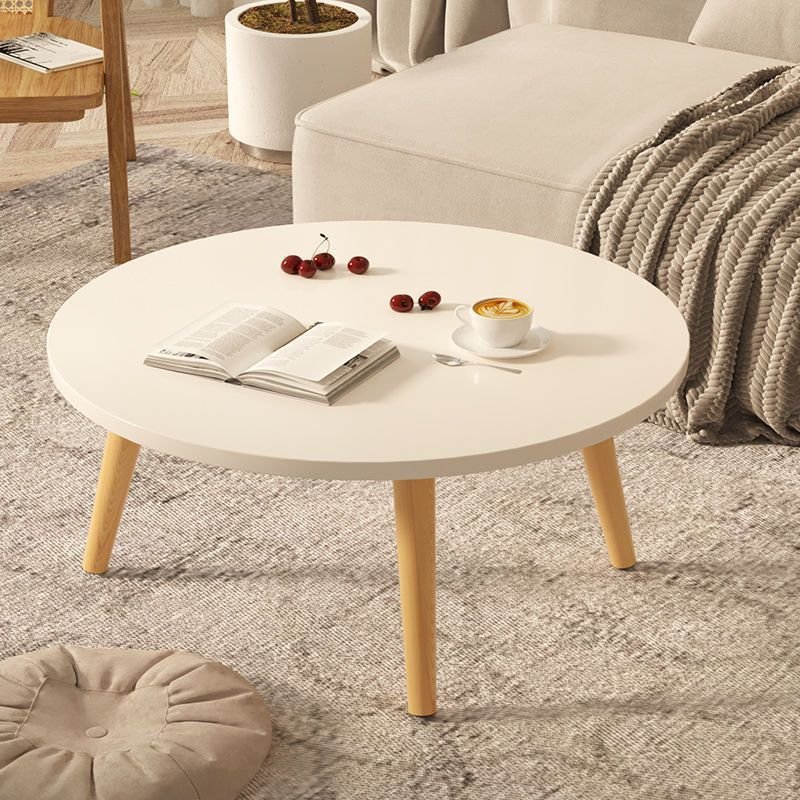
Many small furniture companies offer customization options, allowing customers to tailor pieces to their specific needs. This could include selecting the type of wood, finish, or fabric, or even modifying the dimensions of a piece to fit a particular space. This level of personalization is often unavailable at larger retailers, making small companies an attractive option for discerning consumers. Customization not only enhances customer satisfaction but also fosters a deeper connection between the consumer and the product, as they have played a role in its creation.
Innovative Designs
Small furniture companies are often at the forefront of design innovation. With fewer constraints than larger corporations, these businesses can experiment with new materials, shapes, and functionalities. This willingness to push boundaries results in unique furniture pieces that stand out in any home. For instance, some companies are exploring the use of reclaimed materials, transforming what would otherwise be waste into stunning furniture. Others are integrating technology into their designs, such as smart furniture that adapts to the user’s needs.
The Role of Technology in Small Furniture Companies
E-commerce and Online Presence
The rise of e-commerce has significantly impacted small furniture companies, enabling them to reach a broader audience. Many of these businesses have established robust online platforms, allowing customers to browse and purchase furniture from the comfort of their homes. This shift has democratized access to unique furniture pieces, making it easier for consumers to discover and support small brands. Online marketplaces and social media platforms have also provided small companies with the tools to showcase their products and connect with potential customers.
Social Media Marketing
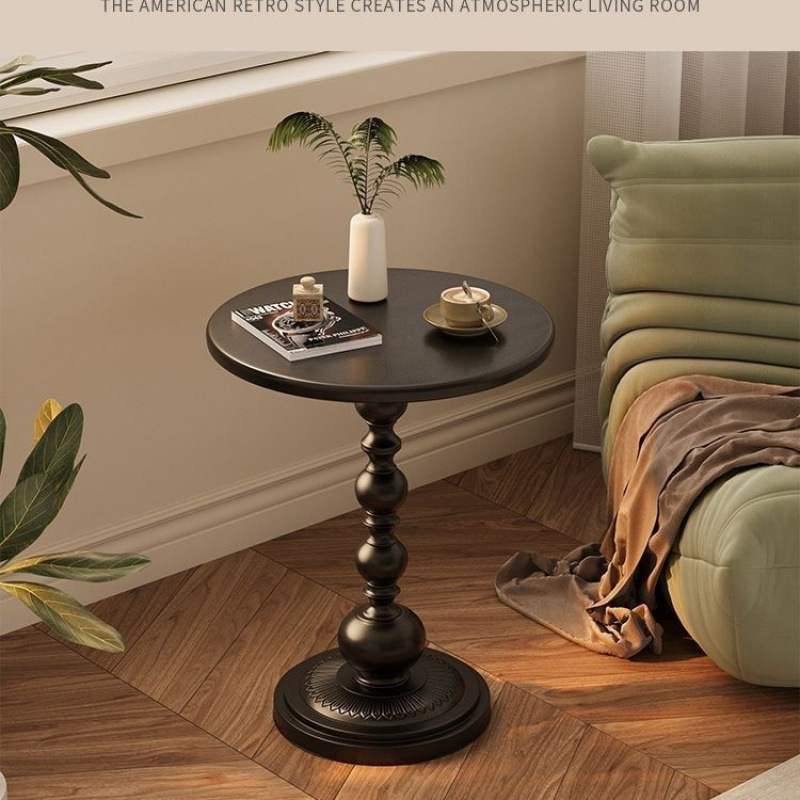
Social media has become a powerful tool for small furniture companies to showcase their products and connect with customers. Platforms like Instagram and Pinterest allow these businesses to share visually appealing content, engage with their audience, and build a community around their brand. This direct interaction fosters loyalty and encourages word-of-mouth marketing, which is invaluable for small companies. Many small furniture brands leverage influencer partnerships to reach new audiences, collaborating with home decor bloggers and social media personalities to promote their products.
Virtual Showrooms and Augmented Reality
Some small furniture companies are embracing technology by offering virtual showrooms and augmented reality (AR) experiences. These innovations allow customers to visualize how a piece of furniture will look in their home before making a purchase. By enhancing the shopping experience, small companies can compete more effectively with larger retailers. AR technology can help customers see how different colors and styles will fit into their existing decor, reducing the likelihood of returns and increasing customer satisfaction.
Challenges Faced by Small Furniture Companies
Competition with Large Retailers
Despite their unique offerings, small furniture companies face significant challenges, particularly from large retailers that dominate the market. These corporations often benefit from economies of scale, allowing them to offer lower prices that can be difficult for small businesses to match. To compete, small companies must emphasize their unique value propositions, such as craftsmanship, sustainability, and personalized service. Building a strong brand identity and communicating their story effectively can help small companies carve out a niche in a crowded market.
Supply Chain Issues
Small furniture companies may also encounter supply chain challenges, particularly when sourcing sustainable materials. Fluctuations in availability and pricing can impact production timelines and costs. To mitigate these issues, many small businesses are exploring local sourcing options and building relationships with suppliers who share their values. By establishing a reliable supply chain, small companies can ensure consistent quality and availability of their products.
Marketing and Visibility
Establishing a strong brand presence can be challenging for small furniture companies, especially in a crowded market. Effective marketing strategies are essential for attracting customers and building brand awareness. Many small businesses are investing in digital marketing, influencer partnerships, and community engagement to enhance their visibility and reach. Participating in local events, craft fairs, and home shows can also help small companies connect with potential customers and showcase their products in person.
The Future of Small Furniture Companies
Trends Shaping the Industry
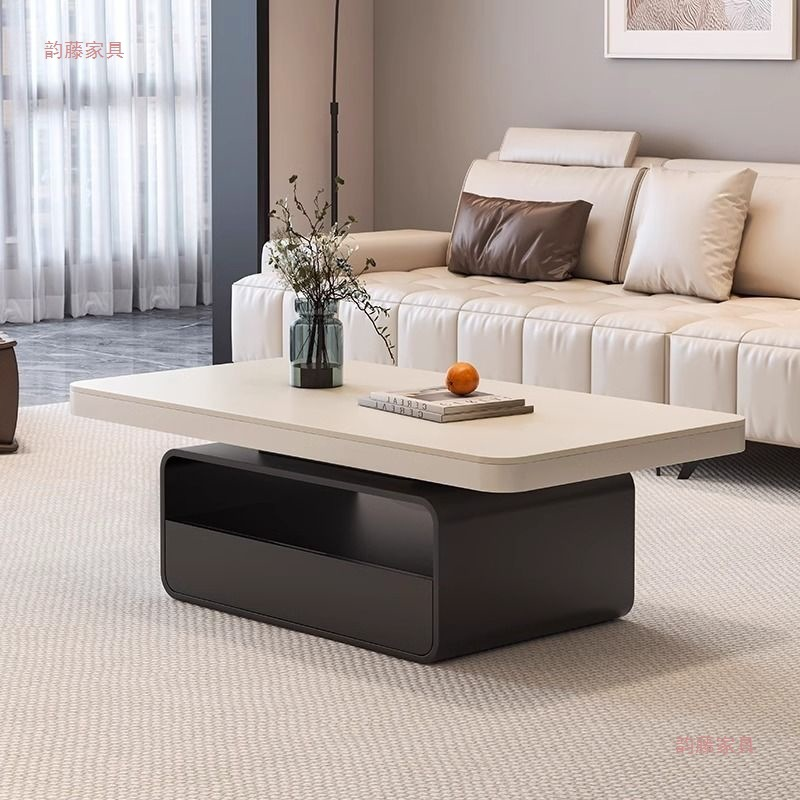
As the furniture industry continues to evolve, several trends are emerging that will shape the future of small furniture companies. One significant trend is the increasing demand for multifunctional furniture, particularly in urban areas where space is limited. Small furniture companies that can design innovative, space-saving solutions will likely thrive in this environment. For example, furniture that can serve multiple purposes, such as a sofa bed or a coffee table with storage, is becoming increasingly popular among consumers looking to maximize their living space.
The Importance of Community Engagement
Another trend is the growing importance of community engagement. Consumers are increasingly interested in supporting local businesses and understanding the stories behind the products they purchase. Small furniture companies that actively engage with their communities, whether through workshops, collaborations, or local events, can build strong relationships with their customers and foster brand loyalty. This community connection not only enhances the customer experience but also creates a sense of belonging and shared values.
Embracing Sustainability
Sustainability will continue to be a driving force in the furniture industry. As consumers become more environmentally conscious, small furniture companies that prioritize sustainable practices will have a competitive advantage. This includes not only using eco-friendly materials but also adopting transparent supply chains and ethical manufacturing processes. Companies that can effectively communicate their sustainability efforts will likely attract a loyal customer base that values environmental responsibility.
Adapting to Changing Consumer Needs
Finally, small furniture companies must remain adaptable to changing consumer needs and preferences. As lifestyles evolve, so too do the demands placed on furniture. Companies that can quickly respond to trends and offer innovative solutions will be better positioned for success in the future. For instance, the rise of remote work has led to an increased demand for home office furniture, prompting small companies to develop stylish and functional work-from-home solutions.
The Impact of Small Furniture Companies on Local Economies
Job Creation
Small furniture companies contribute significantly to local economies by creating jobs and supporting local artisans. These businesses often employ skilled craftsmen and women, providing them with fair wages and stable employment. By investing in local talent, small furniture companies help to sustain traditional craftsmanship and promote economic growth within their communities.
Supporting Local Suppliers
In addition to creating jobs, small furniture companies often rely on local suppliers for their materials. This practice not only reduces transportation emissions but also supports other local businesses, creating a ripple effect that benefits the entire community. By sourcing materials locally, small furniture companies can also ensure fresher, higher-quality products, further enhancing their offerings.
Fostering Community Identity
Small furniture companies play a vital role in fostering community identity and pride. By incorporating local design elements and cultural influences into their products, these businesses help to create a unique sense of place. Consumers are increasingly drawn to products that reflect their local heritage, and small furniture companies are well-positioned to meet this demand.
Conclusion
Small furniture companies play a vital role in the furniture industry, offering unique designs, sustainable practices, and personalized service. As consumer preferences continue to evolve, these businesses are well-positioned to thrive by emphasizing their craftsmanship, innovative designs, and commitment to sustainability. By supporting small furniture companies, consumers not only find distinctive pieces for their homes but also contribute to a more sustainable and ethical marketplace. The future of small furniture companies looks promising, with opportunities for growth and innovation as they adapt to changing consumer needs and preferences.
How to purchase:Online B2B sourcing platform, China purchase, Chinese suppliers – LooperBuy
Article Summary
This article explores the significance of small furniture companies in today’s market, highlighting their emphasis on craftsmanship, sustainability, and unique design aesthetics. It discusses the challenges these businesses face, including competition with larger retailers and supply chain issues, while also examining the role of technology in enhancing their visibility and customer engagement. The future of small furniture companies is also considered, focusing on trends such as multifunctional furniture, community engagement, and sustainability, as well as their impact on local economies.
Related Questions & Answers
· What are the best materials for sustainable furniture?
Sustainable furniture is often made from materials like reclaimed wood, bamboo, and recycled metals. These materials minimize environmental impact and promote responsible sourcing.
· How do small furniture companies handle shipping and delivery?
Many small furniture companies partner with local delivery services or use third-party logistics providers to ensure safe and timely delivery. Some also offer in-store pickup options.
· What are some emerging trends in small furniture design?
Emerging trends include multifunctional furniture, biophilic design that incorporates natural elements, and the use of sustainable materials. Customization and personalization are also gaining popularity.
· What are the typical price ranges for furniture from small companies versus large retailers?
Typically, small furniture companies may have higher price ranges due to their craftsmanship and sustainable practices, while large retailers often offer lower prices due to mass production.
· How do small furniture companies ensure the durability and longevity of their products?
Small furniture companies often use high-quality materials and traditional craftsmanship techniques, ensuring that their products are built to last.
· What certifications should I look for to ensure the furniture is truly sustainable?
Look for certifications such as FSC (Forest Stewardship Council), Greenguard, and Cradle to Cradle, which indicate that the furniture meets specific environmental and health standards.
Hot Tags: Small Furniture Companies; Unique Furniture Designs; Sustainable Furniture; Handcrafted Furniture; Custom Furniture; Eco-Friendly Furniture; Artisan Furniture; Local Furniture Makers; Modern Furniture; Vintage Furniture; Home Decor; Furniture Trends; Online Furniture Shopping; Furniture Customization; Ethical Manufacturing; Furniture Craftsmanship; Innovative Furniture Designs; Furniture Market; Small Business Support; Interior Design; Furniture Retail; Sustainable Practices; Furniture Quality; Personalized Service; Furniture Styles; E-commerce Furniture; Social Media Marketing; Virtual Showrooms; Augmented Reality Furniture; Furniture Supply Chain; Furniture Industry Trends.