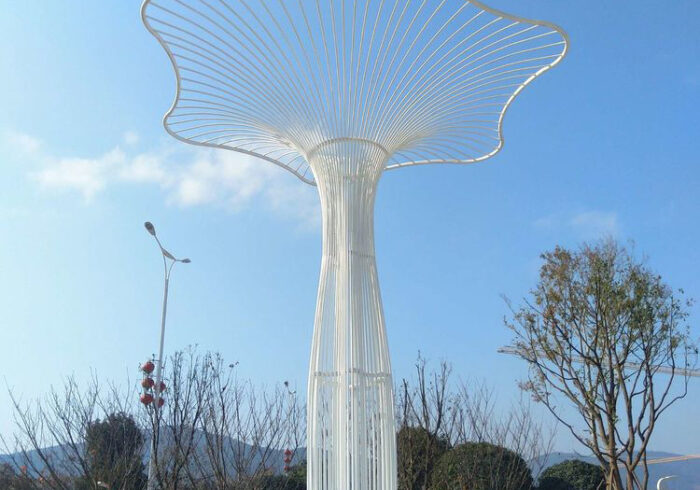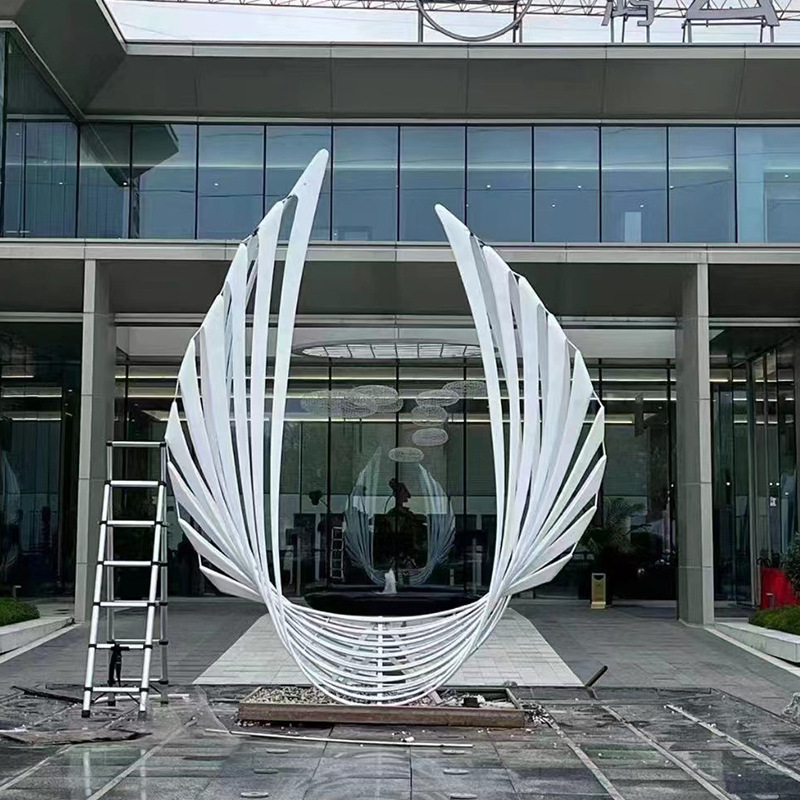
Metal sculpture has evolved dramatically over the years, transitioning from traditional forms to modern interpretations that challenge our perceptions of art. This article explores the fascinating world of modern metal sculpture, examining its techniques, themes, and the artists who are redefining this medium.
Table of Contents
The Evolution of Metal Sculpture
Historical Context
Metal sculpture has a rich history that dates back to ancient civilizations. Early metalworkers utilized bronze and iron to create functional objects and decorative art. The ancient Greeks and Romans produced remarkable metal sculptures, often depicting gods, heroes, and significant historical figures. Over time, the techniques and materials used in metal sculpture have evolved, leading to the diverse forms we see today. The transition from classical to modern metal sculpture reflects broader changes in artistic expression, technology, and cultural values.
The Shift to Modernity
The 20th century marked a significant turning point for metal sculpture. Artists began to experiment with new materials and techniques, moving away from traditional methods. The introduction of industrial processes, such as welding and fabrication, allowed for greater complexity and scale in sculptures. This shift not only expanded the possibilities for artists but also changed the way audiences engage with metal art. The rise of abstract art movements, such as Minimalism and Conceptual Art, further influenced the direction of modern metal sculpture, encouraging artists to explore new forms and ideas.
Techniques in Modern Metal Sculpture
Fabrication and Assembly
Contemporary metal sculptors often employ fabrication techniques that involve cutting, bending, and assembling metal into intricate shapes. Tools like plasma cutters and CNC machines enable artists to achieve precise designs that were previously unimaginable. This technological advancement has opened up new avenues for creativity, allowing for the integration of found objects and interactive elements into sculptures. The ability to manipulate metal in innovative ways has led to the creation of dynamic pieces that challenge traditional notions of sculpture.
Surface Treatments and Finishes
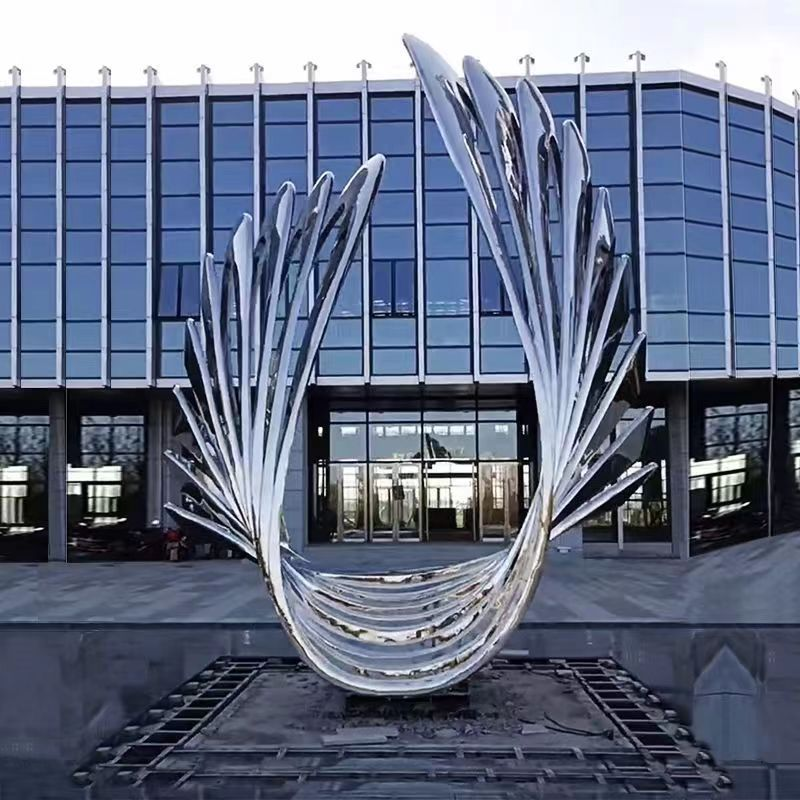
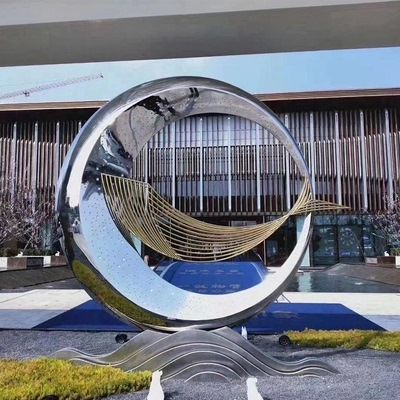
The surface of a metal sculpture can dramatically affect its visual impact. Artists use various treatments, such as patinas, polishing, and rusting, to create unique textures and colors. For instance, stainless steel sculptures often feature a mirror-like finish that reflects their surroundings, while oxidized metals can evoke a sense of age and history. These surface treatments not only enhance the aesthetic appeal but also contribute to the narrative of the artwork. The choice of finish can convey different emotions and meanings, allowing the artist to communicate their vision more effectively.
Innovative Techniques
In addition to traditional methods, contemporary artists are increasingly incorporating innovative techniques into their work. For example, 3D printing technology is being used to create complex metal forms that would be difficult to achieve through conventional means. This approach allows for greater experimentation and the possibility of producing intricate designs that push the boundaries of modern metal sculpture. Furthermore, artists are exploring the use of mixed media, combining metal with other materials such as glass, wood, and stone to create multifaceted works that engage viewers on multiple levels.
Kinetic Sculpture
Kinetic sculpture is an exciting subfield of modern metal sculpture that incorporates movement. Artists design these sculptures to move either through mechanical means or natural forces like wind. Kinetic sculptures can range from small, delicate pieces to large installations that interact with their environment. This dynamic aspect adds an additional layer of engagement for viewers, as they can experience the artwork differently depending on the time of day or weather conditions. The integration of movement challenges traditional notions of sculpture as a static form, inviting audiences to consider the relationship between art and time.
Themes Explored in Modern Metal Sculpture
Identity and Environment
Modern metal sculptures frequently explore themes of identity and the environment. Artists use their work to comment on social issues, personal experiences, and the relationship between humanity and nature. For example, sculptures that incorporate organic forms may reflect the fragility of the environment, while abstract pieces can symbolize the complexity of human identity. This thematic exploration allows artists to engage with contemporary issues, making their work relevant and thought-provoking.
Abstraction and Minimalism
Abstraction has become a dominant theme in modern metal sculpture. Many artists favor minimalist designs that emphasize form and space over representational imagery. This approach invites viewers to engage with the sculpture on a sensory level, encouraging them to interpret the work based on their own experiences and emotions. The simplicity of minimalist sculptures often contrasts with the complexity of the materials used, creating a dialogue between form and content.
Cultural Commentary
In addition to personal and environmental themes, modern metal sculpture often serves as a platform for cultural commentary. Artists use their work to address issues such as consumerism, globalization, and social justice. By incorporating symbols and motifs that resonate with contemporary audiences, these sculptures provoke dialogue and reflection. This aspect of modern metal sculpture highlights its role as a medium for social change, allowing artists to challenge norms and inspire action through their art.
The Intersection of Art and Technology
As technology continues to advance, many contemporary metal sculptors are exploring the intersection of art and technology. This includes the use of digital design tools, robotics, and even artificial intelligence to create sculptures that push the boundaries of traditional craftsmanship. By integrating technology into their creative processes, artists can produce works that are not only visually stunning but also conceptually rich, reflecting the complexities of modern life.
Notable Contemporary Metal Sculptors
Rob Lorenson
Rob Lorenson is a prominent figure in the world of modern metal sculpture. His work often merges abstract forms with geometric precision, exploring themes of balance and movement. Lorenson’s sculptures, made from materials like stainless steel and aluminum, are characterized by their sleek, minimalist compositions that challenge the viewer’s perception of space. His ability to manipulate metal into fluid forms creates a sense of dynamism, inviting viewers to experience the sculpture from multiple angles.
Antony Gormley
Antony Gormley is another influential artist known for his innovative use of metal in sculpture. His works often explore the human form and its relationship to space. Gormley’s sculptures, such as “Quantum Cloud,” utilize steel to create dynamic forms that invite viewers to consider their own presence within the artwork. His exploration of the human experience through modern metal sculpture has garnered international acclaim, making him a key figure in contemporary art.
Chris DeRubeis
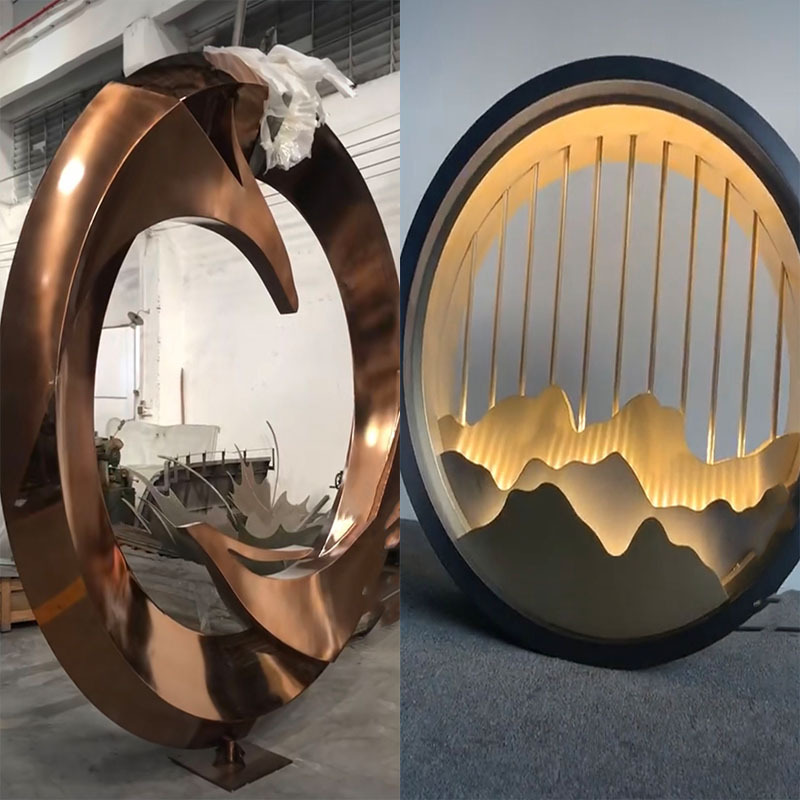
Chris DeRubeis is celebrated for his abstract sensualism and unique techniques in modern metal sculpture. He often transforms metal surfaces using chemicals to create intricate patterns and textures. DeRubeis’s work challenges traditional notions of beauty and invites viewers to engage with the materiality of the sculpture. His ability to blend industrial techniques with artistic expression results in captivating pieces that resonate with audiences.
Other Influential Artists
In addition to Lorenson, Gormley, and DeRubeis, many other artists are making significant contributions to the field of modern metal sculpture. Artists like Richard Serra and David Smith have paved the way for contemporary sculptors, pushing the boundaries of scale and form. Their monumental works have become iconic representations of modern metal sculpture, inspiring a new generation of artists to explore the medium.
The Role of Metal Sculpture in Public Spaces
Urban Installations
Modern metal sculptures have become prominent features in urban environments, serving as landmarks and focal points in public spaces. These installations often reflect the culture and identity of the community, fostering a sense of place and belonging. Artists collaborate with city planners and architects to create sculptures that enhance the urban landscape and engage the public. The integration of art into public spaces not only beautifies the environment but also encourages community interaction and dialogue.
Interactive Art
In recent years, there has been a growing trend towards interactive metal sculptures. These works invite viewer participation, encouraging them to touch, move, or even climb on the sculptures. This interactivity not only enhances the viewer’s experience but also blurs the line between art and audience, making the sculpture a part of the communal space. Interactive sculptures can transform public areas into dynamic environments where art becomes a catalyst for social engagement.
Environmental Considerations
As artists increasingly address environmental themes in their work, the choice of materials and techniques becomes crucial. Many contemporary metal sculptors are mindful of the environmental impact of their materials, opting for sustainable practices and recycled metals. This commitment to sustainability not only reflects a growing awareness of ecological issues but also enhances the narrative of the artwork. By using materials that have a reduced environmental footprint, artists can create works that resonate with audiences concerned about the planet.
Challenges in Creating Large-Scale Metal Sculptures
Technical and Logistical Hurdles
Creating large-scale modern metal sculptures presents unique challenges that require careful planning and execution. One of the primary challenges is the technical complexity involved in designing and fabricating large pieces. Artists must consider structural integrity, weight distribution, and the materials used to ensure that the sculpture can withstand environmental factors such as wind and rain. This often involves collaboration with engineers and fabricators who can provide expertise in metalworking and structural design.
Transportation and Installation
Transporting large metal sculptures to their final locations can be a logistical nightmare. The size and weight of these pieces often require specialized equipment and careful planning to ensure safe transport. Artists and fabricators must coordinate with transportation companies to secure permits and arrange for the necessary vehicles to move the sculptures. Once on-site, installation can also be challenging, as it may require cranes or other heavy machinery to position the sculpture correctly.
Cost Management
The financial aspect of creating large-scale sculptures can be daunting. Material costs, labor, and transportation expenses can quickly add up, leading to budget overruns. Artists must be adept at managing costs while maintaining the integrity of their vision. This often involves making difficult decisions about materials and design elements to stay within budget without compromising the quality of the final piece.
Environmental Impact
As with any large construction project, the environmental impact of creating large-scale modern metal sculptures must be considered. Artists and fabricators are increasingly aware of the need to minimize waste and use sustainable materials. This can involve sourcing recycled metals or using eco-friendly finishes to reduce the environmental footprint of the sculpture. Additionally, artists must consider the long-term maintenance of their sculptures, ensuring that they remain durable and visually appealing over time.
Best Practices for Maintenance
Maintaining outdoor metal sculptures is crucial for preserving their aesthetic and structural integrity. Regular inspections can help identify issues such as rust, corrosion, or structural damage. Depending on the material, different maintenance practices may be required. For instance, stainless steel sculptures may need periodic cleaning to remove dirt and grime, while painted sculptures may require touch-ups to prevent peeling and fading. Implementing a maintenance schedule can help ensure that these artworks continue to inspire and engage audiences for years to come.
Conclusion
Modern metal sculpture is a vibrant and evolving art form that reflects the complexities of modern life. Through innovative techniques and thematic exploration, artists are pushing the boundaries of what metal can achieve in the realm of sculpture. As we continue to engage with these works, we are reminded of the enduring power of art to inspire, provoke, and connect us to our shared human experience.
How to purchase:Online B2B sourcing platform, China purchase, Chinese suppliers – LooperBuy
Frequently Asked Questions
1. What materials are commonly used in modern metal sculpture?
Modern metal sculptures are typically made from materials such as stainless steel, aluminum, bronze, and copper. Each material offers unique properties that influence the sculpture’s aesthetic and durability.
2. How do artists create intricate designs in metal sculptures?
Artists use advanced fabrication techniques, including welding, cutting, and CNC machining, to create intricate designs. These methods allow for precise control over the shape and form of the sculpture.
3. What themes are commonly explored in contemporary metal sculpture?
Contemporary metal sculpture often explores themes such as identity, environment, abstraction, and minimalism. Artists use their work to comment on social issues and personal experiences.
4. How has technology influenced metal sculpture?
Technology has significantly influenced metal sculpture by introducing new tools and techniques, such as digital fabrication and advanced welding methods. This has expanded the possibilities for artistic expression and complexity in sculptures.
5. Why are metal sculptures popular in public spaces?
Metal sculptures are popular in public spaces because they serve as landmarks and focal points that enhance the urban environment. They engage the public and foster a sense of community and identity.
HOT TAG: modern metal sculpture, contemporary metal art, innovative sculpture techniques, public art installations, interactive metal sculptures, sustainable metal practices, environmental impact of sculpture, metal fabrication methods, abstract metal forms, kinetic metal art, urban sculpture projects, metal artists, cultural commentary in art, maintenance of outdoor sculptures, themes in modern sculpture, technology in metal art, artistic expression through metal, large-scale metal installations, metalworking techniques, engaging public spaces with art.