Drop shipping has emerged as a popular business model in the eCommerce landscape, allowing entrepreneurs to sell products without the burden of inventory management. This article delves into what drop shipping orders mean, how they work, and the advantages and challenges associated with this model. We will also explore effective strategies for marketing a drop shipping business, improving customer satisfaction, and understanding the legal considerations involved.
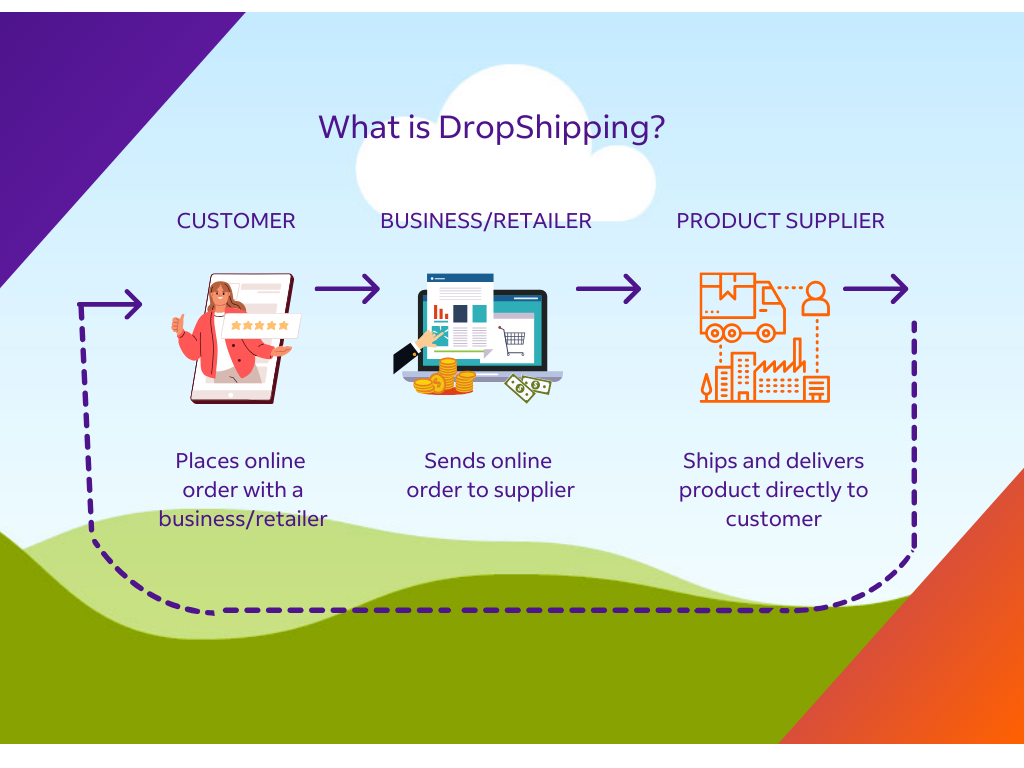
Table of Contents
What is Drop Shipping?
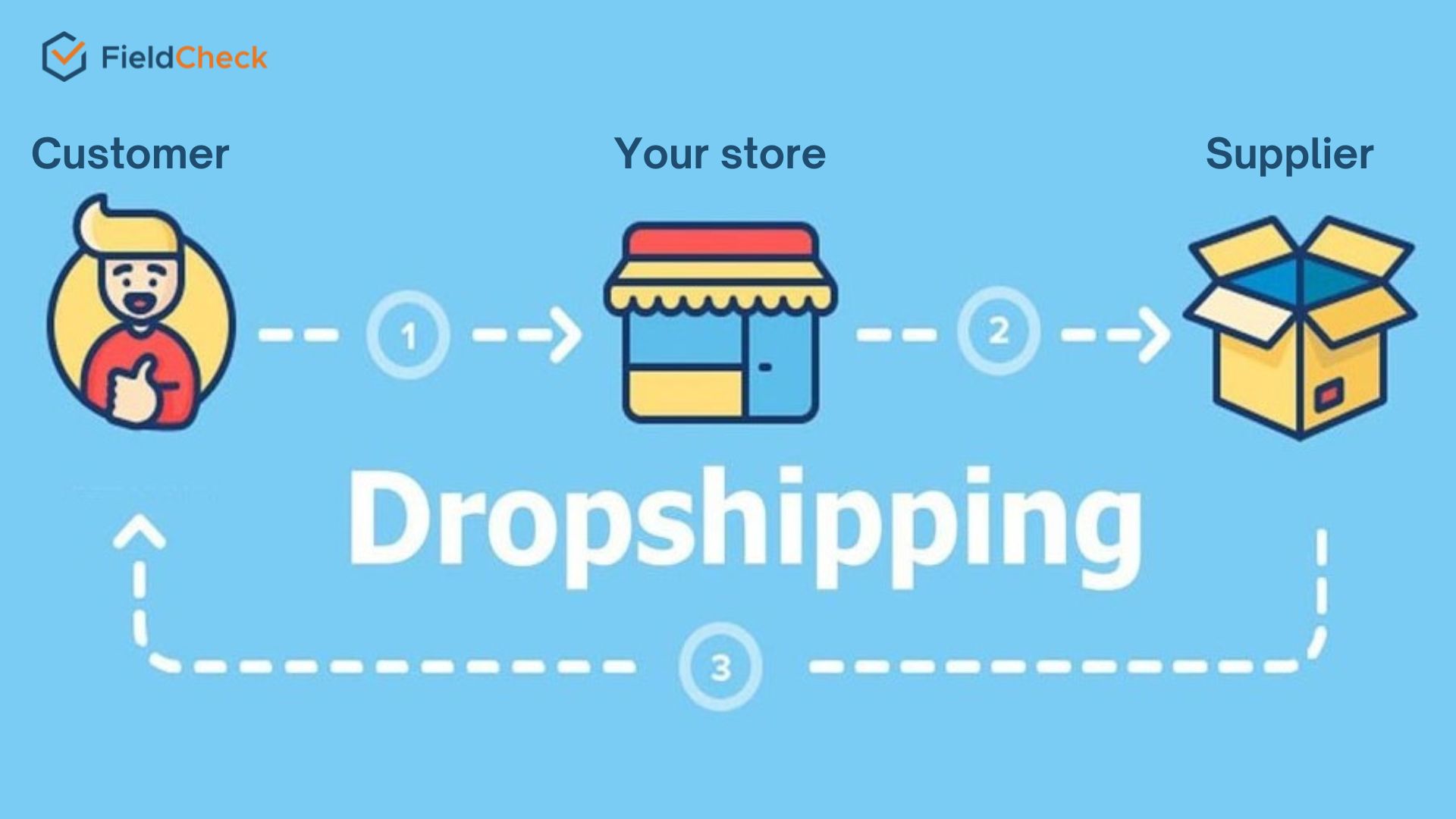
Drop shipping is a retail fulfillment method where a store does not keep the products it sells in stock. Instead, when a customer places an order, the store purchases the item from a third-party supplier who then ships the product directly to the customer. This process eliminates the need for the retailer to handle the product directly, making it an attractive option for many online businesses.
How Drop Shipping Works
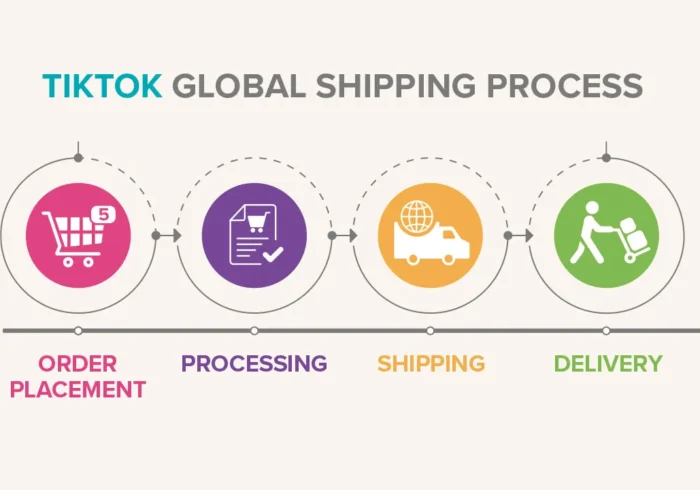
The drop shipping process can be broken down into several key steps:
- Customer Places an Order: A customer visits an online store and places an order for a product.
- Order Notification: The store receives the order and payment from the customer.
- Forwarding the Order: The retailer forwards the order details to the supplier or manufacturer.
- Shipping: The supplier processes the order and ships the product directly to the customer.
- Profit Margin: The retailer earns a profit by marking up the price of the product above the cost paid to the supplier.
This model allows retailers to offer a wide range of products without the financial risk associated with holding inventory.
Advantages of Drop Shipping
Low Startup Costs
One of the most significant advantages of drop shipping is the low barrier to entry. Entrepreneurs can start an online store without investing heavily in inventory. This makes it an ideal option for those looking to enter the eCommerce space with limited capital.
Flexibility and Location Independence
Drop shipping allows business owners to operate from anywhere with an internet connection. There is no need for a physical storefront or warehouse, providing flexibility in managing the business. This location independence is particularly appealing to digital nomads and those seeking a work-life balance.
Wide Product Selection
Retailers can offer a vast array of products without the need to stock them. This enables them to test different markets and niches without the risk of unsold inventory. The ability to pivot quickly in response to market trends is a significant advantage in the fast-paced eCommerce environment.
Reduced Risk
Since retailers do not purchase products until they are sold, the financial risk associated with unsold inventory is significantly reduced. This model allows for a more agile business approach, adapting quickly to market trends. Retailers can experiment with new products and discontinue those that do not perform well without incurring substantial losses.
Challenges of Drop Shipping
Lower Profit Margins
While drop shipping offers many benefits, it often comes with lower profit margins compared to traditional retail models. Retailers must sell a high volume of products to achieve significant profits, as the cost of goods sold is typically higher due to the involvement of third-party suppliers. This can make it challenging to sustain a profitable business in a competitive market.
Inventory Management Issues
Retailers may face challenges with inventory management, as they do not have direct control over stock levels. If a supplier runs out of stock, it can lead to delays in fulfilling customer orders, potentially harming the retailer’s reputation. To mitigate this risk, retailers should establish strong relationships with multiple suppliers and regularly communicate with them about inventory levels.
Quality Control Concerns
Since retailers do not handle the products themselves, they may have limited control over product quality. This can lead to customer dissatisfaction if the products do not meet expectations. Retailers should conduct thorough research on suppliers and order samples to ensure that the products meet their quality standards before listing them for sale.
Competition
The low barrier to entry means that many entrepreneurs are entering the drop shipping market, leading to increased competition. Retailers must find ways to differentiate themselves, whether through unique product offerings, superior customer service, or effective marketing strategies. Building a strong brand identity and focusing on niche markets can help retailers stand out in a crowded marketplace.
Effective Marketing Strategies for Drop Shipping
Building a Strong Online Presence
Creating a professional and user-friendly website is crucial for attracting customers. Retailers should invest in high-quality product images, detailed descriptions, and an intuitive navigation system. Additionally, optimizing the website for search engines (SEO) can help drive organic traffic.
Utilizing Social Media
Social media platforms are powerful tools for marketing drop shipping businesses. Retailers can engage with potential customers, showcase products, and run targeted advertising campaigns. Platforms like Instagram and Facebook are particularly effective for visual products, allowing retailers to create engaging content that resonates with their audience.
Influencer Marketing
Partnering with influencers can help retailers reach a broader audience. Influencers can promote products to their followers, providing social proof and credibility. Retailers should choose influencers whose values align with their brand and who have an engaged audience.
Email Marketing
Building an email list allows retailers to communicate directly with customers. Email marketing can be used to promote new products, offer discounts, and share valuable content. Personalized emails can enhance customer engagement and drive repeat purchases.
Content Marketing
Creating valuable content related to the products being sold can attract potential customers and establish the retailer as an authority in the niche. Blogs, videos, and tutorials can provide useful information while subtly promoting products.
Improving Customer Satisfaction in Drop Shipping
Providing Excellent Customer Service
Responsive and helpful customer service is essential for maintaining customer satisfaction. Retailers should be available to address inquiries and resolve issues promptly. Offering multiple channels for customer support, such as live chat, email, and phone support, can enhance the customer experience.
Clear Communication
Transparency is key in drop shipping. Retailers should clearly communicate shipping times, return policies, and any potential delays. Keeping customers informed throughout the order process can help build trust and reduce frustration.
Quality Assurance
To ensure customer satisfaction, retailers should prioritize quality assurance. This includes vetting suppliers, ordering samples, and regularly reviewing customer feedback. Addressing quality issues proactively can prevent negative reviews and returns.
Streamlined Returns Process
A hassle-free returns process can significantly enhance customer satisfaction. Retailers should clearly outline their return policy and make it easy for customers to return products if necessary. Providing prepaid return labels can also improve the customer experience.
Legal Considerations for Drop Shipping
Understanding Tax Obligations
Retailers must be aware of their tax obligations when operating a drop shipping business. This includes sales tax, income tax, and any other applicable taxes. Consulting with a tax professional can help ensure compliance with local regulations.
Protecting Intellectual Property
Retailers should be cautious about using copyrighted images, logos, or content without permission. It is essential to respect intellectual property rights to avoid legal issues. Using original content and images can help mitigate this risk.
Complying with Consumer Protection Laws
Drop shipping retailers must comply with consumer protection laws, which vary by region. This includes providing accurate product descriptions, honoring return policies, and ensuring customer privacy. Familiarizing oneself with these laws can help avoid legal complications.
Supplier Agreements
Establishing clear agreements with suppliers is crucial for protecting both parties. Retailers should outline terms related to pricing, shipping, returns, and quality standards. Having a written agreement can help prevent misunderstandings and disputes.
Expanding Your Drop Shipping Business
Exploring New Markets
Once a drop shipping business is established, retailers can consider expanding into new markets. This could involve targeting different demographics, geographic regions, or product categories. Conducting market research can help identify opportunities for growth.
Diversifying Product Offerings
Retailers can also diversify their product offerings to attract a broader customer base. This could involve adding complementary products or exploring trending items in the market. Keeping an eye on industry trends and customer preferences can guide product selection.
Leveraging Technology
Utilizing technology can streamline operations and enhance the customer experience. Retailers can invest in eCommerce platforms that offer automation tools for order processing, inventory management, and customer relationship management (CRM). These tools can save time and reduce errors.
Building a Brand
Creating a strong brand identity can help differentiate a drop shipping business from competitors. Retailers should focus on developing a unique value proposition, consistent branding, and a compelling story that resonates with customers. Building brand loyalty can lead to repeat business and referrals.
Networking and Collaboration
Networking with other entrepreneurs and industry professionals can provide valuable insights and opportunities for collaboration. Joining online forums, attending industry events, and participating in local business groups can help retailers connect with others in the eCommerce space.
Conclusion
Drop shipping orders represent a unique and flexible approach to eCommerce, allowing retailers to sell products without the complexities of inventory management. While the model offers numerous advantages, such as low startup costs and location independence, it also presents challenges that entrepreneurs must navigate. Understanding the intricacies of drop shipping can help business owners make informed decisions and succeed in the competitive online marketplace.
By implementing effective marketing strategies, improving customer satisfaction, and being aware of legal considerations, retailers can build a successful drop shipping business that thrives in the ever-evolving eCommerce landscape. Additionally, exploring new markets, diversifying product offerings, leveraging technology, building a strong brand, and networking can further enhance growth and sustainability in this dynamic industry.
As you explore the exciting world of drop shipping and discover the potential for your online business, don’t miss out on the incredible deals and unique products available at LooperBuy—your one-stop shop for all your eCommerce needs! Check it out here: LooperBuy.
Article Summary: This comprehensive guide explores drop shipping orders, detailing the process, advantages, and challenges of the drop shipping model. It also provides effective marketing strategies, tips for improving customer satisfaction, and legal considerations for entrepreneurs. Understanding these elements is crucial for success in the eCommerce landscape.
Hot Tags: Drop Shipping; ECommerce; Retail Fulfillment; Online Business; Inventory Management; Supplier Relationships; Profit Margins; Customer Satisfaction; Market Trends; Business Model; Startup Costs; Product Quality; Competition; Niche Markets; Order Processing; Shipping Logistics; Business Flexibility; Financial Risk; Product Selection; Entrepreneurial Strategies; Digital Marketing; Customer Experience; Supply Chain; Wholesale Suppliers; Business Growth; Sales Volume; Retail Strategies; Online Store; Business Operations; ECommerce Trends.
Related Questions & Answers
· What are the best strategies for marketing a drop shipping business?
Effective strategies include building a strong online presence, utilizing social media, influencer marketing, email marketing, and content marketing.
· How can I improve customer satisfaction in a drop shipping business?
Providing excellent customer service, clear communication, quality assurance, and a streamlined returns process can significantly enhance customer satisfaction.
· What legal considerations should I be aware of when starting a drop shipping business?
Retailers should understand tax obligations, protect intellectual property, comply with consumer protection laws, and establish clear supplier agreements.
· How do I find reliable suppliers for drop shipping?
Consider using platforms like AliExpress, Oberlo, or SaleHoo, and ensure to check reviews and ratings from other retailers.
· Can I use drop shipping for any type of product?
While you can use drop shipping for many products, it’s essential to research market demand and competition to ensure profitability.