Plush toys have long been cherished companions for children and adults alike. Among the myriad of colors and designs, blue plush toys stand out for their calming hue and versatility. This article delves into the enchanting world of blue plush toys, exploring their appeal, the various types available, and their significance in our lives.

Table of Contents
The Psychological Appeal of Blue
The Color Blue: A Symbol of Calmness
Blue is often associated with tranquility and peace. Psychologically, it is known to have a calming effect on the mind and body. This makes blue plush toys particularly appealing to children, who may find comfort in their soft, huggable forms. The soothing nature of blue can help reduce anxiety and promote a sense of security, making these toys ideal companions during bedtime or stressful moments.
Research has shown that colors can influence mood and behavior. Blue, in particular, is linked to feelings of serenity and stability. This is why many nurseries and children’s rooms are painted in shades of blue, creating a peaceful environment conducive to relaxation and sleep. The presence of a blue plush toy can enhance this calming atmosphere, providing a tangible source of comfort.
Emotional Connections
Plush toys, especially those in soothing colors like blue, often become emotional anchors for children. They provide a sense of safety and companionship, helping kids navigate their feelings and fears. As children grow, these toys can serve as reminders of their childhood, evoking nostalgia and fond memories. The emotional bond formed with a plush toy can be profound, often lasting well into adulthood.
For many, a blue plush toy is not just a toy but a confidant. Children often share their secrets and fears with their plush companions, using them as a sounding board for their thoughts. This practice can be particularly beneficial for children who may struggle to express their emotions verbally, allowing them to process their feelings in a safe and supportive way.
Types of Blue Plush Toys
Classic Blue Teddy Bears
One of the most iconic plush toys is the teddy bear. Blue teddy bears come in various shades, from pastel to deep navy, and are often adorned with ribbons or embroidered messages. These bears are not just toys; they are symbols of comfort and love, often gifted to children on special occasions or as a source of solace during tough times. The classic teddy bear has evolved over the years, with many brands offering unique designs that cater to different tastes and preferences.
The appeal of blue teddy bears lies not only in their color but also in their design. Many are crafted with high-quality materials that make them soft and cuddly, perfect for snuggling. Some even come with added features, such as sound or light, enhancing their appeal as interactive companions. The timeless nature of the teddy bear ensures that it remains a beloved choice for children and collectors alike.
Character Plush Toys
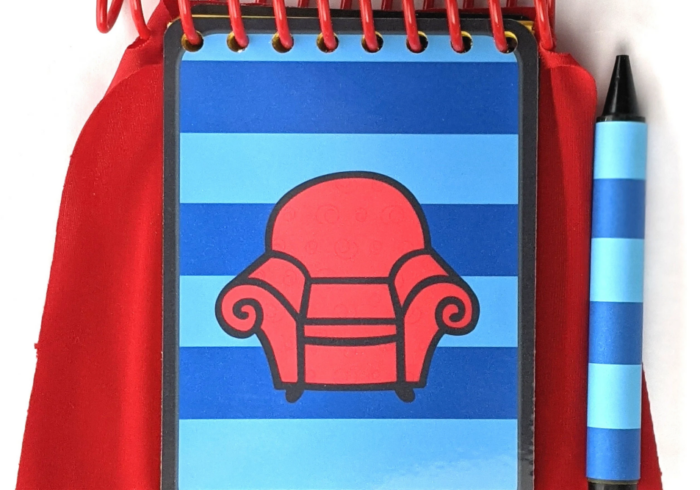
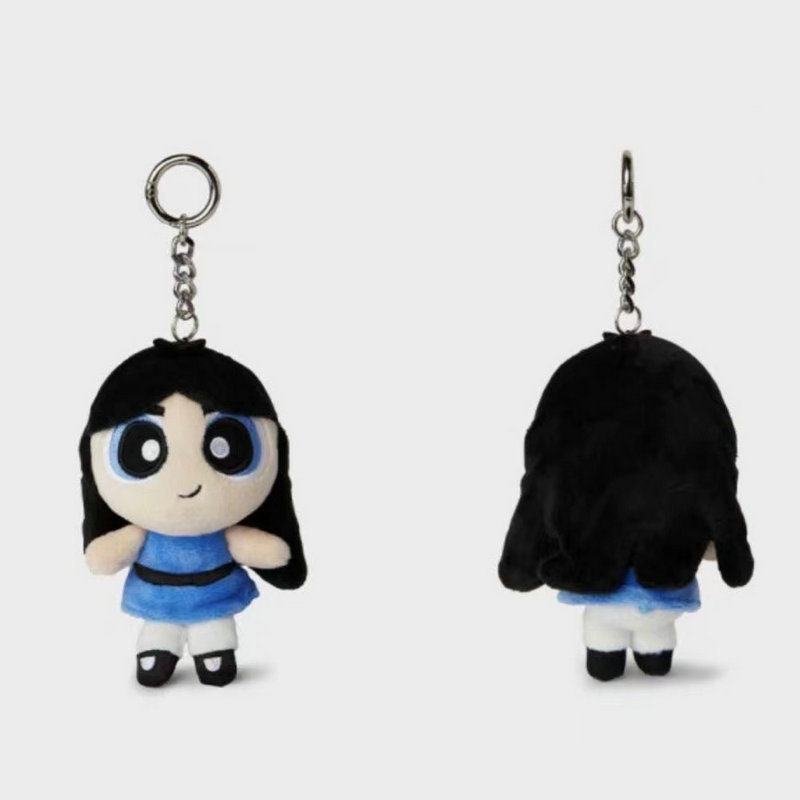
In addition to traditional teddy bears, blue plush toys often feature beloved characters from movies and television shows. For instance, characters like Blue from “Blue’s Clues” or various blue Pokémon have become favorites among children. These toys not only provide comfort but also allow children to connect with their favorite stories and characters, enhancing imaginative play. The popularity of character plush toys has led to a wide range of merchandise, making it easy for children to find their favorite characters in plush form.
Character plush toys often come with unique designs that reflect the personality of the character they represent. This attention to detail can make them even more appealing to children, who enjoy having toys that resemble their favorite characters. Additionally, these toys can serve as conversation starters, allowing children to engage with their peers about their favorite shows and stories.
Themed Plush Toys
Themed plush toys, such as those representing animals or mythical creatures, are also popular. Blue elephants, dolphins, and even dragons can be found in plush form, appealing to children’s fascination with animals and fantasy. These toys often come with unique designs and textures, making them visually and tactilely engaging. Themed plush toys can also serve educational purposes, introducing children to different species and cultures through play.
For example, a blue plush dolphin can spark interest in marine life, encouraging children to learn more about ocean ecosystems. Similarly, a blue dragon plush can inspire stories of adventure and fantasy, allowing children to explore their imaginations. The versatility of themed plush toys makes them a valuable addition to any child’s toy collection.
The Benefits of Blue Plush Toys
Comfort and Security
For many children, a plush toy is more than just a plaything; it is a source of comfort. Blue plush toys, with their soft textures and friendly appearances, can help children feel secure, especially during transitions such as starting school or moving to a new home. The presence of a familiar toy can ease anxiety and provide a sense of stability. Studies have shown that children who have a comfort object, like a plush toy, tend to cope better with stress and changes in their environment.
The act of hugging or cuddling a plush toy can trigger the release of oxytocin, often referred to as the “love hormone.” This hormone promotes feelings of bonding and comfort, further enhancing the emotional benefits of having a plush toy. As children navigate the challenges of growing up, their blue plush toys can serve as a reliable source of support.
Encouraging Imagination and Play
Plush toys encourage imaginative play, allowing children to create stories and scenarios. A blue plush toy can become a character in countless adventures, fostering creativity and storytelling skills. This type of play is crucial for cognitive development, helping children learn problem-solving and social skills as they interact with their toys. Imaginative play also allows children to explore different roles and perspectives, enhancing their empathy and understanding of the world around them.
Through imaginative play, children can experiment with social interactions, practicing communication and negotiation skills. For instance, a child might create a scenario where their blue plush toy is the leader of a group of other toys, teaching them about leadership and teamwork. This kind of play is essential for developing social competence and emotional intelligence.
A Tool for Emotional Expression
Plush toys can also serve as tools for emotional expression. Children often project their feelings onto their toys, using them to express joy, sadness, or fear. A blue plush toy can be a confidant, helping children articulate their emotions in a safe and non-threatening way. This emotional connection can be particularly beneficial for children who may struggle to express their feelings verbally, providing them with a means to process their emotions.
In therapeutic settings, plush toys are sometimes used to facilitate communication between children and therapists. The presence of a familiar toy can help children feel more at ease, allowing them to open up about their feelings and experiences. This practice underscores the importance of plush toys in emotional development and mental health.
Caring for Your Blue Plush Toy
Cleaning and Maintenance
To ensure that your blue plush toy remains a cherished companion for years to come, proper care is essential. Most plush toys can be machine washed, but it’s important to check the care label first. Regular cleaning not only keeps the toy looking fresh but also helps maintain hygiene, especially for toys that are frequently cuddled. For toys with delicate features or materials, hand washing may be recommended to prevent damage.
In addition to regular cleaning, it’s important to inspect plush toys for any signs of wear and tear. Loose seams or frayed edges can be repaired quickly to prevent further damage. Teaching children how to care for their plush toys can instill a sense of responsibility and respect for their belongings.
Repairing Worn Plush Toys
Over time, plush toys may experience wear and tear. If a blue plush toy becomes damaged, it can often be repaired with basic sewing skills. Patching up small holes or reattaching limbs can extend the life of the toy, preserving the emotional connection it holds for its owner. Many parents find joy in repairing their children’s beloved toys, turning it into a bonding experience that teaches valuable lessons about care and responsibility.
Some companies even offer repair services for plush toys, allowing owners to send in their beloved companions for professional restoration. This service can be particularly meaningful for children who have formed strong attachments to their toys, ensuring that they can continue to enjoy them for years to come.
The Cultural Significance of Plush Toys
Gifts and Collectibles
Plush toys, particularly those in unique colors like blue, are often given as gifts. They are popular for birthdays, holidays, and even as comfort items during hospital visits. Collectors also seek out rare or limited-edition plush toys, making them valuable items in the toy market. The sentimental value of plush toys often surpasses their monetary worth, as they hold memories and stories that are cherished by their owners.
The act of gifting a plush toy can carry significant meaning, symbolizing love, care, and support. For many, receiving a plush toy can be a memorable moment, marking special occasions or milestones in life. This emotional significance contributes to the enduring popularity of plush toys across generations.
Representation in Media
Blue plush toys frequently appear in media, from animated shows to movies, reinforcing their popularity. Characters like Blue from “Blue’s Clues” not only entertain but also educate, teaching children about friendship, problem-solving, and emotional intelligence. The representation of plush toys in media helps to normalize their presence in children’s lives, encouraging emotional connections and imaginative play.
The portrayal of plush toys in popular culture can also influence trends in toy design and marketing. As children become attached to characters from their favorite shows, the demand for related plush toys increases, leading to a thriving market for character merchandise. This cycle of influence highlights the interconnectedness of media and the toy industry.
The Role of Plush Toys in Therapy
In recent years, plush toys have also found a place in therapeutic settings. Therapists often use plush toys to help children express their feelings and work through trauma. The non-threatening nature of plush toys allows children to feel safe while discussing difficult topics. Blue plush toys, with their calming color, can be particularly effective in creating a soothing environment for therapy sessions.
The use of plush toys in therapy is supported by research indicating that children are more likely to open up when they feel comfortable and secure. By incorporating plush toys into therapeutic practices, therapists can create a more engaging and supportive atmosphere for their young clients.
The Future of Blue Plush Toys
Innovations in Design and Technology
As technology continues to advance, the world of plush toys is evolving. Innovations such as interactive plush toys that respond to touch or voice commands are becoming increasingly popular. These high-tech toys can enhance the play experience, providing children with new ways to engage with their plush companions. Blue plush toys are no exception, with many brands exploring ways to incorporate technology into their designs.
Additionally, eco-friendly materials are gaining traction in the plush toy industry. Many manufacturers are now producing plush toys made from recycled or organic materials, appealing to environmentally conscious consumers. This shift towards sustainability reflects a growing awareness of the impact of consumer choices on the planet.
The Enduring Appeal of Plush Toys
Despite the rise of digital entertainment, plush toys continue to hold a special place in the hearts of children and adults alike. The tactile experience of hugging a plush toy, combined with the emotional connections they foster, ensures that they remain a beloved choice for comfort and companionship. As new generations discover the joys of plush toys, the legacy of blue plush toys will undoubtedly continue.
How Blue Plush Toys Aid in Sensory Development
Engaging the Senses
Blue plush toys can play a significant role in sensory development for children. The soft texture of plush toys provides tactile stimulation, which is essential for young children as they explore the world around them. The act of touching, squeezing, and cuddling a plush toy helps develop fine motor skills and hand-eye coordination.
Moreover, many plush toys come with additional sensory features, such as crinkly materials, squeakers, or varied textures. These elements can engage a child’s sense of hearing and touch, providing a multi-sensory experience that enhances playtime. For infants and toddlers, sensory play is crucial for cognitive development, helping them learn about cause and effect as they interact with their toys.
Promoting Visual Stimulation
The color blue itself can also contribute to visual stimulation. Bright and vibrant colors attract a child’s attention and can help improve their visual tracking skills. As children play with blue plush toys, they learn to focus on objects, enhancing their ability to recognize colors and shapes. This visual engagement is particularly important during the early developmental stages when children are learning to make sense of their environment.
Encouraging Social Interaction
Playing with plush toys can also encourage social interaction among children. When children engage in imaginative play with their blue plush toys, they often invite peers to join in. This collaborative play fosters communication skills, as children learn to share, negotiate, and express their ideas. Through these interactions, children develop important social skills that will benefit them throughout their lives.
Conclusion
Blue plush toys are more than just soft companions; they are integral to childhood development and emotional well-being. Their calming color, combined with the comfort they provide, makes them beloved by children and adults alike. Whether as a gift, a collectible, or a cherished friend, blue plush toys hold a special place in our hearts. As we continue to navigate the complexities of life, these cuddly companions remind us of the simple joys of childhood and the importance of emotional support.
How to purchase:Online B2B sourcing platform, China purchase, Chinese suppliers – LooperBuy
Frequently Asked Questions
1. What are the benefits of having a blue plush toy for children?
Blue plush toys provide comfort, security, and emotional support, helping children navigate their feelings and fears.
2. How should I clean my blue plush toy?
Most blue plush toys can be machine washed, but always check the care label for specific instructions.
3. Can blue plush toys help with anxiety?
Yes, the calming color blue and the soft texture of plush toys can help reduce anxiety and promote a sense of security.
4. Are there any specific blue plush toys that are popular?
Yes, popular blue plush toys include blue teddy bears, characters from shows like “Blue’s Clues,” and themed animals like blue elephants.
5. How can I repair a damaged blue plush toy?
Small damages can often be repaired with basic sewing skills, such as patching holes or reattaching limbs.
HOT TAG: blue plush toys, comfort items for children, emotional support plush toys, childhood companions, plush toy care tips, imaginative play benefits, character plush toys, teddy bears for kids, cleaning plush toys, eco-friendly plush toy materials, interactive plush toys for development, therapeutic plush toys, sensory development in children, childhood memories with plush toys, popular blue plush toy brands, history of plush toys, benefits of plush toys, plush toy repair tips, calming effects of blue color, plush toys in therapy settings.