When it comes to finding the ideal companion for your furry friend, a dog plush toy can be a delightful choice. These soft, cuddly toys not only provide comfort but also serve as a source of entertainment and companionship for dogs of all ages. In this comprehensive guide, we will explore the various aspects of dog plush toys, including their benefits, types, and tips for selecting the right one for your pet.
Table of Contents
Understanding Dog Plush Toys
What Are Dog Plush Toys?
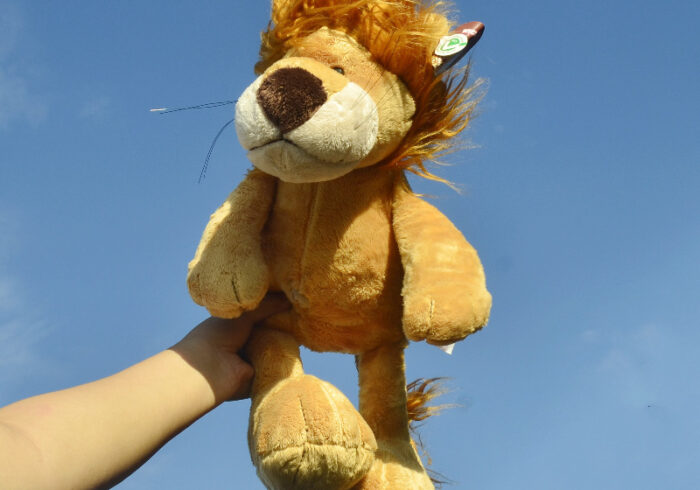
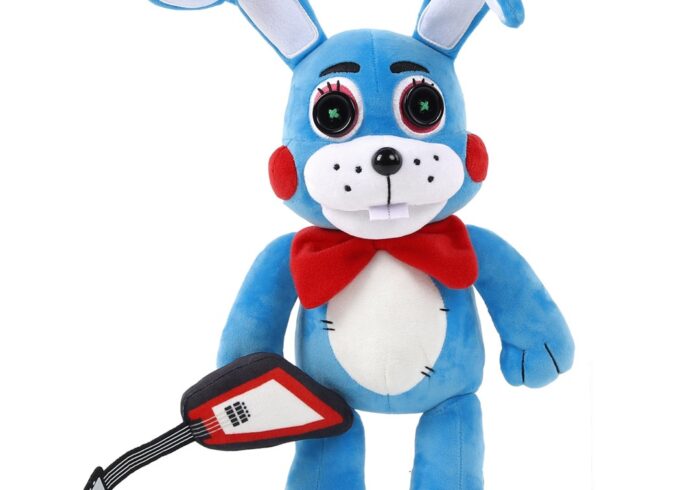
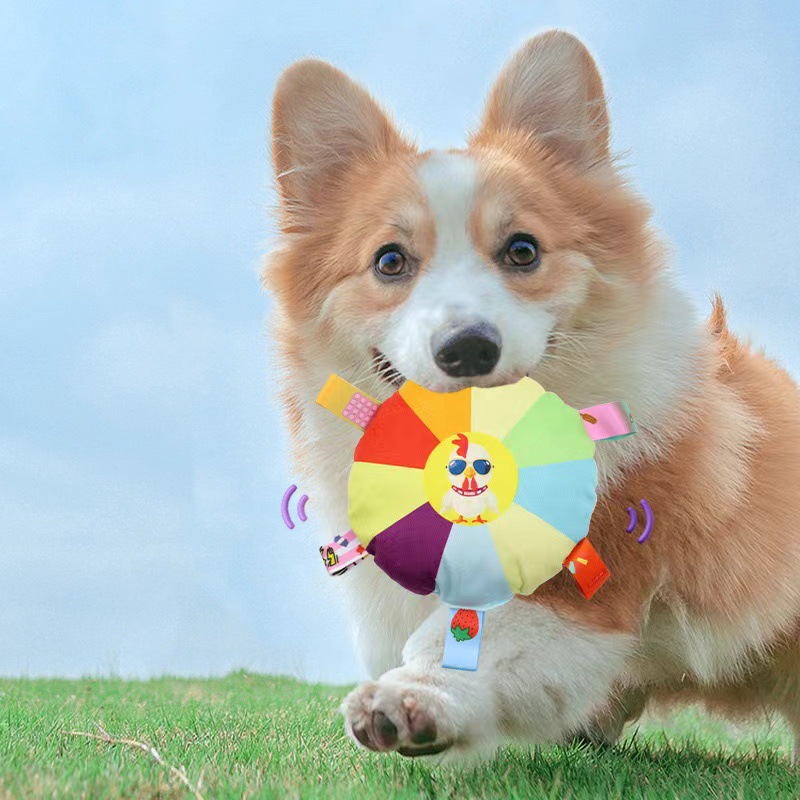
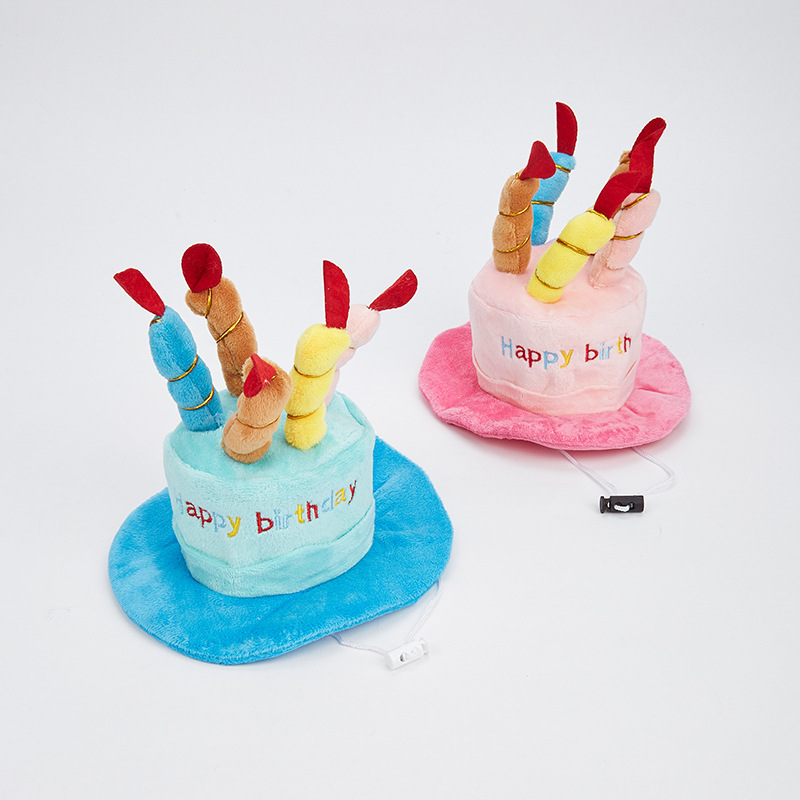
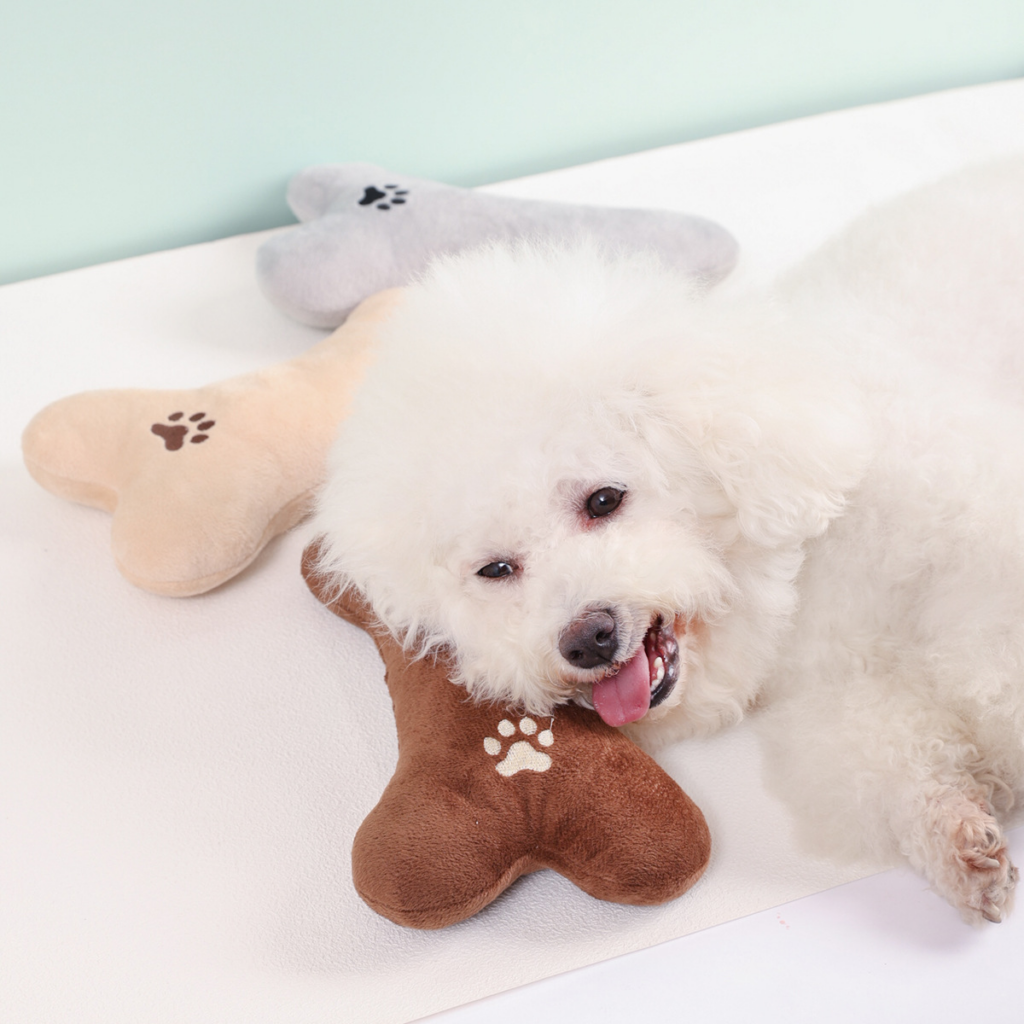
Dog plush toys are soft, stuffed toys designed specifically for dogs. They come in various shapes, sizes, and designs, often resembling animals or other fun characters. Made from soft materials, these toys are perfect for cuddling, chewing, and playing. Many plush toys also include squeakers or crinkle sounds to engage your dog’s interest.
Benefits of Dog Plush Toys
- Comfort and Security: Plush toys can provide a sense of comfort and security for dogs, especially during stressful situations such as thunderstorms or when left alone. The soft texture and familiar scent can help soothe anxious pets.
- Play and Engagement: Plush toys encourage play, which is essential for a dog’s physical and mental well-being. Engaging with toys can help prevent boredom and destructive behavior.
- Dental Health: Chewing on plush toys can help maintain your dog’s dental health by reducing plaque and tartar buildup. Some plush toys are designed with dental benefits in mind, featuring textures that promote healthy chewing.
- Bonding Opportunities: Playing with your dog using plush toys can strengthen the bond between you and your pet. Interactive playtime fosters trust and companionship.
- Stress Relief: For many dogs, plush toys serve as a source of comfort that can help alleviate stress. The act of chewing and playing can release endorphins, which promote a sense of well-being.
- Encouragement of Natural Behaviors: Plush toys can mimic prey, encouraging dogs to engage in natural hunting behaviors. This can be particularly beneficial for breeds with strong instincts to chase and retrieve.
- Training Aids: Plush toys can also be used as training aids. For example, you can use a plush toy to reward your dog during training sessions, reinforcing positive behavior and making learning more enjoyable.
- Social Interaction: Plush toys can facilitate social interaction between dogs. When dogs play together, they often share toys, which can help develop social skills and reduce aggression.
- Comfort During Travel: Plush toys can provide a sense of familiarity and comfort for dogs during travel. Having a favorite toy can help ease anxiety when visiting new places or during long car rides.
- Encouragement of Exercise: Engaging with plush toys can encourage dogs to be more active. Whether they are chasing, tugging, or playing fetch, these toys can help promote physical activity.
Types of Dog Plush Toys
1. Classic Plush Toys
Classic plush toys are the most common type, featuring soft, stuffed bodies and often resembling animals. They are perfect for cuddling and gentle play. However, they may not withstand aggressive chewers.
2. Squeaky Plush Toys
Squeaky plush toys contain a squeaker inside, which makes a sound when bitten. This feature can excite dogs and encourage them to play longer. However, be cautious with aggressive chewers, as they may destroy the squeaker.
3. Crinkle Toys
Crinkle toys are designed to make a crinkling sound when squeezed. This sound can intrigue dogs and stimulate their natural instincts to hunt and play. These toys are often lightweight and easy for dogs to carry around.
4. Interactive Plush Toys
Interactive plush toys often come with multiple components, such as hidden toys or puzzles that dogs must solve to access treats. These toys provide mental stimulation and can keep dogs entertained for extended periods.
5. Weighted Plush Toys
Weighted plush toys are designed to provide a comforting hug-like feeling. They are often used for anxiety relief and can be particularly beneficial for dogs that experience stress during certain situations.
6. Breed-Specific Plush Toys
Some manufacturers create plush toys that resemble specific dog breeds. These toys can be particularly appealing to dog owners who want to celebrate their pet’s breed or provide a toy that looks like their furry friend.
7. Plush Toys with Treat Compartments
These toys are designed to hold treats inside, encouraging dogs to work for their rewards. This type of toy can keep dogs engaged and mentally stimulated, as they figure out how to access the treats.
8. Plush Toys with Rope Elements
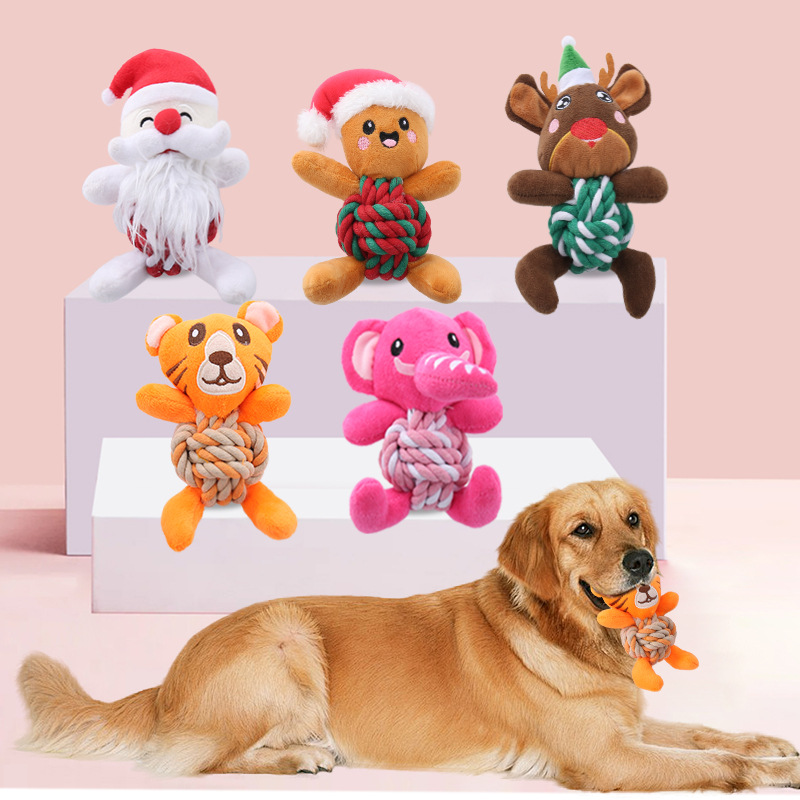
Some plush toys incorporate rope elements, making them suitable for tug-of-war games. These toys can provide a fun way for dogs to engage in interactive play with their owners or other dogs.
9. Plush Toys with Sound Features
In addition to squeakers, some plush toys may have sound features that mimic animal noises or other sounds. These can further engage a dog’s interest and encourage play.
10. Eco-Friendly Plush Toys
With growing awareness of environmental issues, many brands now offer eco-friendly plush toys made from sustainable materials. These toys are designed to be safe for dogs while also being kind to the planet.
Choosing the Right Dog Plush Toy
Consider Your Dog’s Size and Breed
When selecting a plush toy, consider your dog’s size and breed. Larger breeds may require sturdier toys, while smaller breeds may prefer lighter, smaller options. Always choose a toy that is appropriate for your dog’s size to prevent choking hazards.
Assess Your Dog’s Chewing Habits
If your dog is an aggressive chewer, look for plush toys specifically designed for durability. Some brands offer tough plush toys that can withstand heavy chewing while still providing comfort. These toys are often made with reinforced seams and durable materials.
Look for Safety Features
Ensure that the plush toy is made from non-toxic materials and does not contain small parts that could be swallowed. Check for any loose threads or embellishments that could pose a choking hazard. Safety should always be a top priority when selecting toys for your pet.
Choose the Right Texture
Different dogs have different preferences when it comes to texture. Some may prefer soft, fuzzy toys, while others may enjoy toys with varied textures. Observe your dog’s preferences to find the best match. A variety of textures can also keep your dog engaged and interested in their toys.
Consider the Toy’s Purpose
Think about what you want the plush toy to achieve. Is it for comfort, play, or both? If your dog needs a comforting companion, a classic plush toy may be ideal. For active play, consider a squeaky or interactive toy. Understanding your dog’s needs will help you make the best choice.
Evaluate the Toy’s Durability
Durability is crucial, especially for dogs that tend to be rough on their toys. Look for plush toys that are labeled as “durable” or “tough.” These toys are often made with stronger materials and reinforced stitching to withstand more aggressive play.
Check for Washability
Since dogs can be messy, it’s important to choose plush toys that are easy to clean. Many plush toys are machine washable, but always check the care instructions. Being able to clean the toy easily will help maintain hygiene and prolong its lifespan.
Read Reviews and Recommendations
Before purchasing a plush toy, consider reading reviews from other dog owners. This can provide insight into the toy’s durability, safety, and overall quality. Recommendations from friends or family can also be helpful in finding the best options.
Monitor Your Dog’s Interaction
After introducing a new plush toy, monitor how your dog interacts with it. This will help you determine if the toy is suitable for your dog’s play style and if it meets their needs. If your dog shows signs of disinterest or aggression, it may be time to try a different type of toy.
Consider Your Dog’s Age and Activity Level
Puppies may benefit from softer, more cuddly toys, while older dogs might prefer toys that are easier to chew and manipulate. Additionally, active dogs may require more durable toys that can withstand vigorous play.
Caring for Dog Plush Toys
Cleaning and Maintenance
To keep your dog’s plush toys clean, regularly wash them according to the manufacturer’s instructions. Most plush toys can be machine washed, but always check for specific care guidelines. Regular cleaning helps prevent the buildup of dirt and bacteria, ensuring a safe play environment for your dog.
Inspect for Damage
Regularly inspect plush toys for any signs of wear and tear. If a toy becomes damaged, it may pose a choking hazard. Replace any toys that show significant signs of damage to ensure your dog’s safety. Keeping an eye on your dog’s toys can help prevent accidents and keep playtime safe.
Rotate Toys
To keep your dog engaged, consider rotating their toys. This practice can make old toys feel new again and maintain your dog’s interest in playtime. By introducing different toys at different times, you can keep your dog mentally stimulated and excited about play.
Store Toys Properly
When not in use, store plush toys in a clean, dry place. Avoid leaving toys outside, as exposure to the elements can cause them to deteriorate. Proper storage can extend the life of your dog’s toys and keep them in good condition.
Monitor Playtime
Supervise your dog during playtime, especially with new toys. This allows you to ensure that they are playing safely and not chewing off any small parts. Monitoring playtime can also help you gauge your dog’s interest in different types of toys.
Use Toys for Training
Incorporating plush toys into training sessions can make learning more enjoyable for your dog. Use toys as rewards for good behavior, or engage your dog in fetch or tug-of-war to reinforce commands and skills.
Encourage Gentle Play
If your dog tends to be rough with their toys, encourage gentle play by using commands like “easy” or “gentle.” This can help teach your dog to play more carefully, prolonging the life of their plush toys.
Conclusion
Dog plush toys are more than just toys; they are companions that provide comfort, entertainment, and opportunities for bonding. By understanding the different types of plush toys and considering your dog’s unique needs, you can select the perfect plush toy that will enhance their playtime and overall well-being. Remember to prioritize safety and durability when making your choice, and enjoy the joy that a plush toy can bring to your furry friend.
How to purchase:Online B2B sourcing platform, China purchase, Chinese suppliers – LooperBuy
Frequently Asked Questions
1. Why do dogs love plush toys?
Dogs love plush toys because they provide comfort and security. The soft texture and familiar scent can soothe anxious pets, making them feel safe.
2. Are plush toys safe for aggressive chewers?
Not all plush toys are safe for aggressive chewers. Look for toys specifically designed for durability to ensure they can withstand heavy chewing.
3. How often should I clean my dog’s plush toys?
It’s a good idea to clean your dog’s plush toys regularly, ideally once a week, to prevent the buildup of dirt and bacteria.
4. Can plush toys help with my dog’s anxiety?
Yes, plush toys can help alleviate anxiety in dogs. The soft texture and familiar scent can provide comfort during stressful situations.
5. What should I do if my dog destroys a plush toy?
If your dog destroys a plush toy, inspect it for any small parts that could pose a choking hazard. Replace the toy with a more durable option designed for aggressive chewers.
HOT TAG: dog plush toy, soft plush toys for dogs, cuddly dog companions, interactive plush dog toys, durable dog toys, plush toys for aggressive chewers, dog comfort toys, anxiety relief for dogs, pet care and safety, choosing the right dog toys, dog playtime essentials, eco-friendly plush toys, cleaning plush dog toys, dog training aids, bonding with your dog, plush toys for puppies, benefits of plush toys for dogs, dog toy safety tips, engaging dog toys, mental stimulation for dogs, plush toys with squeakers, crinkle plush toys, dog toy maintenance, fun dog activities, plush toys for all breeds, dog playtime fun, dog toy recommendations, enhancing dog well-being, pet owner tips.