When it comes to pampering our furry friends, plush dog toys are often at the top of the list. These soft, cuddly companions not only provide entertainment but also comfort and security for dogs of all ages. In this comprehensive guide, we will explore the various types of plush dog toys available, their benefits, and tips for choosing the right one for your pet.
Table of Contents
Understanding Plush Dog Toys
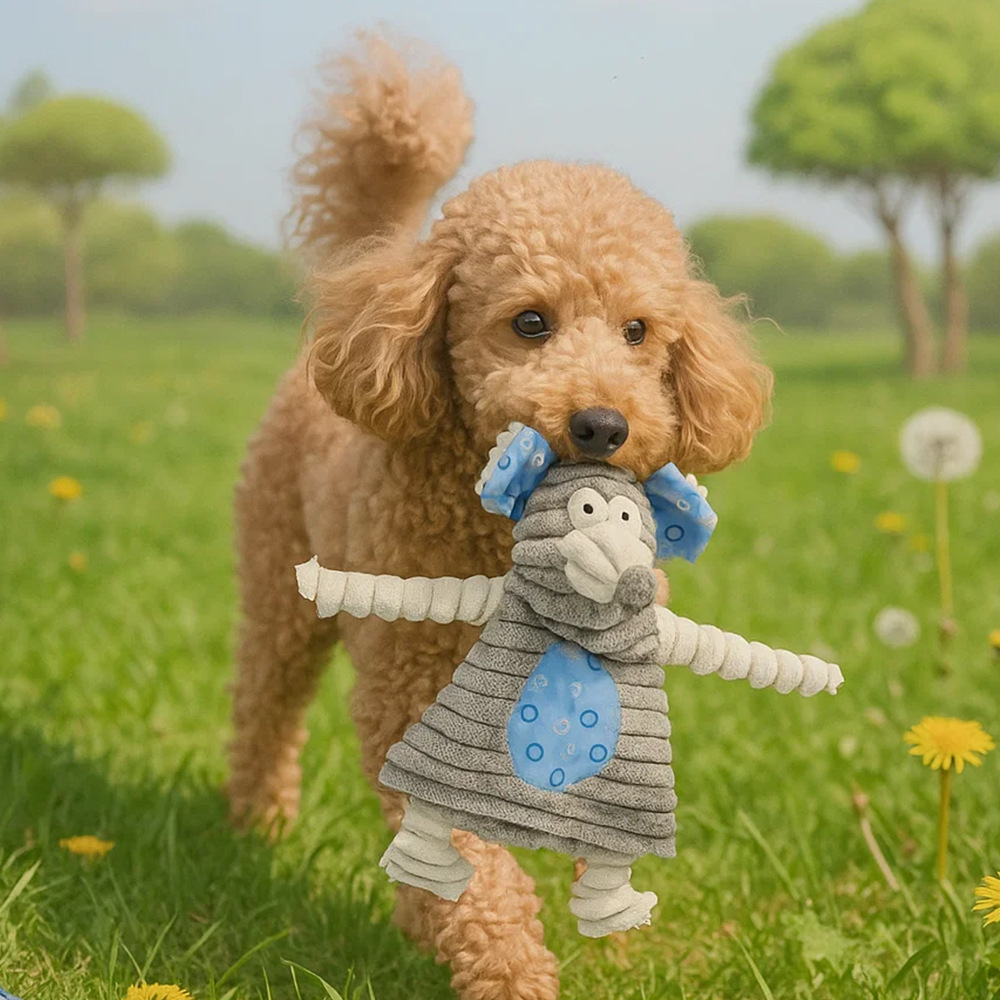
What Are Plush Dog Toys?
Plush dog toys are soft, stuffed toys designed specifically for dogs. They come in various shapes, sizes, and designs, often resembling animals or objects. Made from materials like cotton, polyester, and other soft fabrics, these toys are typically filled with stuffing to give them a cuddly feel. Many plush toys also include squeakers or crinkly materials to enhance playtime.
The Benefits of Plush Dog Toys
- Comfort and Security: Plush toys can provide comfort to dogs, especially puppies and anxious dogs. The soft texture and familiar scent can help soothe them during stressful situations, such as thunderstorms or when left alone. Many dogs form attachments to their plush toys, treating them as companions. This attachment can be particularly beneficial for dogs that experience separation anxiety.
- Interactive Play: Many plush toys are designed with squeakers or crinkly materials that engage a dog’s natural instincts to chew and play. This interactive element can keep dogs entertained for hours, providing both physical and mental stimulation. Engaging with plush toys can also help dogs develop their social skills, especially when they play with other dogs or their owners.
- Encouraging Healthy Chewing: While some dogs are aggressive chewers, many enjoy the gentle texture of plush toys. These toys can satisfy their chewing instincts without damaging their teeth, unlike harder toys. This is particularly important for puppies, who are teething and need something soft to chew on. Plush toys can also help redirect destructive chewing behavior by providing an appropriate outlet.
- Bonding Opportunities: Playing with plush toys can strengthen the bond between a dog and its owner. Engaging in playtime fosters trust and companionship, making it an essential part of a dog’s emotional well-being. Interactive play can also help reinforce training commands and improve obedience. The time spent playing together can enhance the overall relationship between a dog and its owner.
- Mental Stimulation: Plush toys that incorporate puzzles or hidden treats can provide mental stimulation for dogs. This type of engagement is crucial for their cognitive development and can help prevent boredom-related behaviors. Toys that challenge dogs to think and problem-solve can keep them engaged and happy. Mental stimulation is especially important for high-energy breeds that require more than just physical exercise.
- Variety of Play Styles: Plush toys cater to various play styles, whether your dog enjoys fetching, tugging, or snuggling. This versatility makes them suitable for different breeds and personalities, ensuring that every dog can find a plush toy that suits their preferences. The variety of designs available means that you can find toys that match your dog’s interests, whether they prefer soft, cuddly toys or those that make noise.
Types of Plush Dog Toys
1. Stuffed Animals
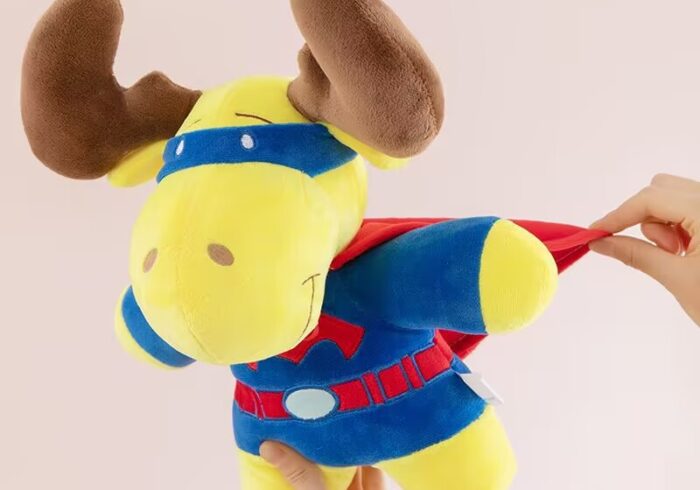
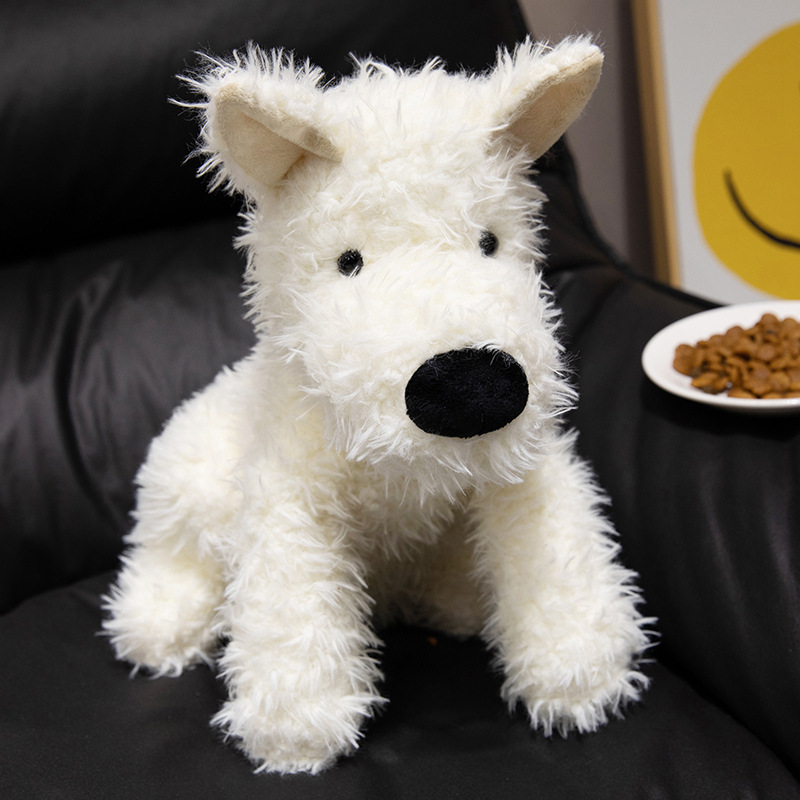
Stuffed animal toys are perhaps the most recognizable type of plush dog toy. They come in various animal shapes, from classic teddy bears to exotic creatures. These toys are perfect for snuggling and can often withstand gentle chewing. Many dogs enjoy carrying their stuffed animals around, treating them as companions. Stuffed animals can also serve as comfort items for dogs during stressful times, providing a sense of security.
2. Squeaky Toys
Squeaky plush toys are designed to make noise when bitten, which can excite dogs and encourage them to play. These toys are great for interactive play sessions, as the sound mimics the sounds of prey, tapping into a dog’s natural hunting instincts. The squeaking sound can also help keep a dog’s attention during playtime, making it easier for owners to engage their pets in fun activities. Squeaky toys can also encourage dogs to be more active, as they often become more animated when they hear the sound.
3. Crinkle Toys
Crinkle toys contain materials that produce a crinkling sound when squeezed or bitten. This sound can intrigue dogs and keep them engaged. Crinkle toys are often lightweight and easy for dogs to carry around, making them ideal for fetch games or solo play. The unique texture and sound can stimulate a dog’s curiosity and encourage them to explore their toys further. Crinkle toys can also be a great way to keep puppies entertained, as they are often drawn to the interesting sounds.
4. Plush Puzzle Toys
These toys combine the softness of plush with the challenge of puzzles. They often have hidden compartments for treats or smaller toys, encouraging dogs to use their problem-solving skills to access the rewards inside. This type of toy can be particularly beneficial for intelligent breeds that require mental challenges. Puzzle toys can also help slow down fast eaters by making them work for their treats, promoting healthier eating habits.
5. Plush Tug Toys
Tug toys are designed for interactive play between dogs and their owners. Made from durable plush materials, these toys can withstand pulling and tugging, making them perfect for games of tug-of-war. Engaging in tug games can also help reinforce training commands and improve obedience. Tug toys can be a great way to exercise your dog while also providing a fun bonding experience. They can also help teach dogs about impulse control, as they learn to wait for cues before engaging in play.
6. Plush Fetch Toys
Fetch toys are designed for throwing and retrieving. Many plush fetch toys are lightweight and easy for dogs to carry back to their owners. Some even have squeakers to make them more enticing. These toys are perfect for outdoor play and can help keep your dog active and healthy. Fetch toys can also encourage dogs to engage in physical exercise, which is essential for their overall health and well-being.
7. Plush Comfort Toys
Comfort toys are specifically designed to provide emotional support to dogs. These toys are often softer and more cuddly than standard plush toys, making them ideal for snuggling. Many dogs find comfort in having a soft toy to cuddle with, especially during stressful situations. Comfort toys can help reduce anxiety and provide a sense of security for dogs, making them an essential addition to any dog’s toy collection.
Choosing the Right Plush Dog Toy
Consider Your Dog’s Size and Breed
When selecting a plush toy, consider your dog’s size and breed. Smaller dogs may prefer toys that are easy to carry, while larger breeds might enjoy bigger, more robust toys. Always choose a toy that is appropriate for your dog’s size to prevent choking hazards. For example, a small Chihuahua may struggle with a large plush toy, while a Great Dane may easily destroy a toy meant for smaller dogs. Understanding your dog’s size and breed can help you make informed decisions about the types of toys that will be most suitable.
Assess Your Dog’s Chewing Habits
Understanding your dog’s chewing habits is crucial. If your dog is a gentle chewer, a standard plush toy will suffice. However, if your dog tends to be more aggressive, look for plush toys specifically designed for tough chewers, which often feature reinforced seams and durable materials. Some brands even offer plush toys with extra layers of fabric to withstand heavy chewing. Knowing your dog’s chewing habits can help you select toys that will last longer and provide more enjoyment.
Look for Safety Features
Safety should always be a priority when choosing dog toys. Ensure that the plush toy is made from non-toxic materials and does not contain small parts that could be swallowed. Check for any loose threads or embellishments that could pose a choking hazard. Additionally, consider toys that are machine washable for easy cleaning. Always read the labels and product descriptions to ensure that the toys meet safety standards.
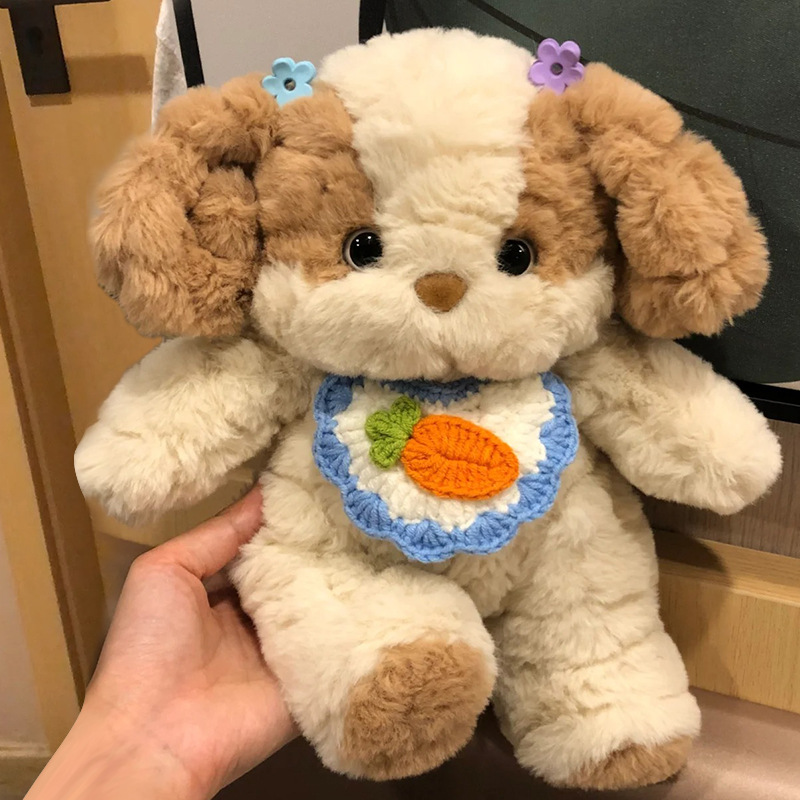
Consider the Toy’s Purpose
Think about how you want your dog to use the toy. If it’s primarily for comfort, a soft, cuddly stuffed animal may be ideal. For interactive play, consider squeaky or crinkle toys that will engage your dog’s attention. If your dog enjoys solving puzzles, look for plush toys that incorporate treat-dispensing features. Understanding the purpose of the toy can help you choose one that aligns with your dog’s needs and preferences.
Evaluate the Toy’s Durability
Not all plush toys are created equal. Some are designed for light play, while others are built to withstand heavy chewing. Look for toys that have reinforced stitching and durable materials if your dog is known for being tough on toys. Brands that specialize in durable plush toys often provide guarantees or warranties, which can be a good indicator of quality. Investing in high-quality toys can save you money in the long run, as they are less likely to need frequent replacement.
Read Reviews and Recommendations
Before purchasing a plush dog toy, consider reading reviews from other pet owners. This can provide insight into the toy’s durability, safety, and overall appeal to dogs. Recommendations from friends or family members who have similar-sized dogs can also be helpful in making your decision. Online forums and pet communities can also be valuable resources for finding the best toys for your dog.
Caring for Plush Dog Toys
Regular Cleaning
To keep plush toys hygienic, regular cleaning is essential. Most plush dog toys are machine washable, but always check the care instructions. Washing toys can help remove dirt, bacteria, and odors, ensuring a safe play environment for your dog. It’s a good practice to wash toys every few weeks, especially if your dog tends to drool or play in muddy areas. For toys that cannot be machine washed, spot cleaning with pet-safe detergents can be effective.
Inspect for Damage
Regularly inspect plush toys for signs of wear and tear. If a toy becomes damaged, it’s best to replace it to prevent your dog from swallowing any stuffing or small parts. Look for frayed seams, missing squeakers, or any other signs of damage. If you notice any small holes, consider repairing them with a needle and thread if the toy is still safe to use. Keeping an eye on your dog’s toys can help ensure their safety during playtime.
Rotate Toys
To keep your dog interested, consider rotating their toys. By introducing new toys periodically, you can maintain your dog’s excitement and engagement during playtime. This strategy can also help prevent boredom and encourage your dog to explore different types of play. Keeping a variety of toys available can also help stimulate your dog’s mind and prevent destructive behaviors.
Repairing Plush Toys
If your dog’s favorite plush toy gets damaged, you might be able to repair it. Use a needle and thread to sew up small holes or frayed seams. Ensure that any squeakers or stuffing are securely contained. If the toy is beyond repair, it’s best to dispose of it to avoid any choking hazards. Some pet owners even choose to upcycle old toys into new creations, such as dog beds or blankets.
Storing Plush Toys
Proper storage of plush toys can also extend their lifespan. Keep toys in a designated area, such as a toy box or basket, to prevent them from getting lost or damaged. Avoid leaving toys outside, as exposure to the elements can lead to wear and tear. Storing toys indoors can also help keep them clean and free from dirt or pests.
Conclusion
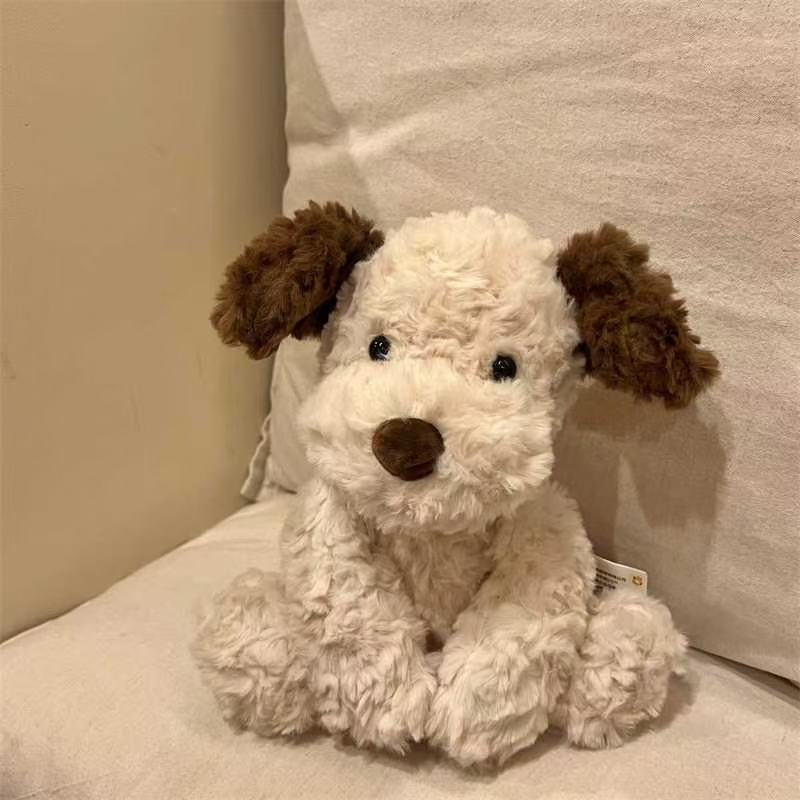
Plush dog toys are more than just playthings; they are essential companions that provide comfort, security, and entertainment for dogs. By understanding the different types of plush toys available and how to choose the right one for your pet, you can enhance their playtime experience and strengthen your bond. Remember to prioritize safety and cleanliness to ensure your furry friend enjoys their plush toys for years to come.
How to purchase:Online B2B sourcing platform, China purchase, Chinese suppliers – LooperBuy
Frequently Asked Questions
1. What are the safest materials for plush dog toys?
The safest materials for plush dog toys include non-toxic fabrics like cotton and polyester. Always check for certifications that indicate the toy is free from harmful chemicals.
2. How do I repair a damaged plush dog toy?
To repair a damaged plush dog toy, use a needle and thread to sew up small holes or frayed seams. Ensure that any squeakers or stuffing are securely contained.
3. Are there eco-friendly or sustainable plush dog toy options?
Yes, many brands offer eco-friendly plush dog toys made from recycled materials or organic fabrics. Look for certifications that indicate sustainability.
4. How often should I replace my dog’s plush toys?
It’s advisable to replace plush toys when they show signs of wear and tear, such as frayed seams or missing parts. Regular inspections can help determine when a toy needs to be replaced.
5. Can I wash plush dog toys?
Yes, most plush dog toys are machine washable. Always check the care instructions on the label to ensure proper cleaning methods.
HOT TAG: plush dog toys, durable dog toys, interactive plush toys, squeaky toys for dogs, eco-friendly dog toys, safe dog toys, dog comfort items, plush toy maintenance, dog playtime essentials, mental stimulation for dogs, puppy comfort toys, dog bonding activities, cleaning plush toys, dog toy safety tips, best plush toys for dogs, chew-resistant plush toys, dog training tools, plush puzzle toys, dog anxiety relief toys, high-quality dog toys