Table of Contents
Understanding Dropshipping Saturation
Dropshipping has emerged as a popular business model in the e-commerce landscape, allowing entrepreneurs to sell products without holding inventory. However, as more individuals enter the market, the question arises: is dropshipping over saturated? To answer this, we must first understand what saturation means in the context of dropshipping and the factors contributing to it.
What is Market Saturation?
Market saturation occurs when a product or service has become so widely available that the demand for it diminishes. In dropshipping, this can happen when too many sellers offer the same products, leading to fierce competition and reduced profit margins. However, saturation does not necessarily mean that opportunities are nonexistent; it simply indicates that the landscape is changing.
Factors Contributing to Dropshipping Saturation
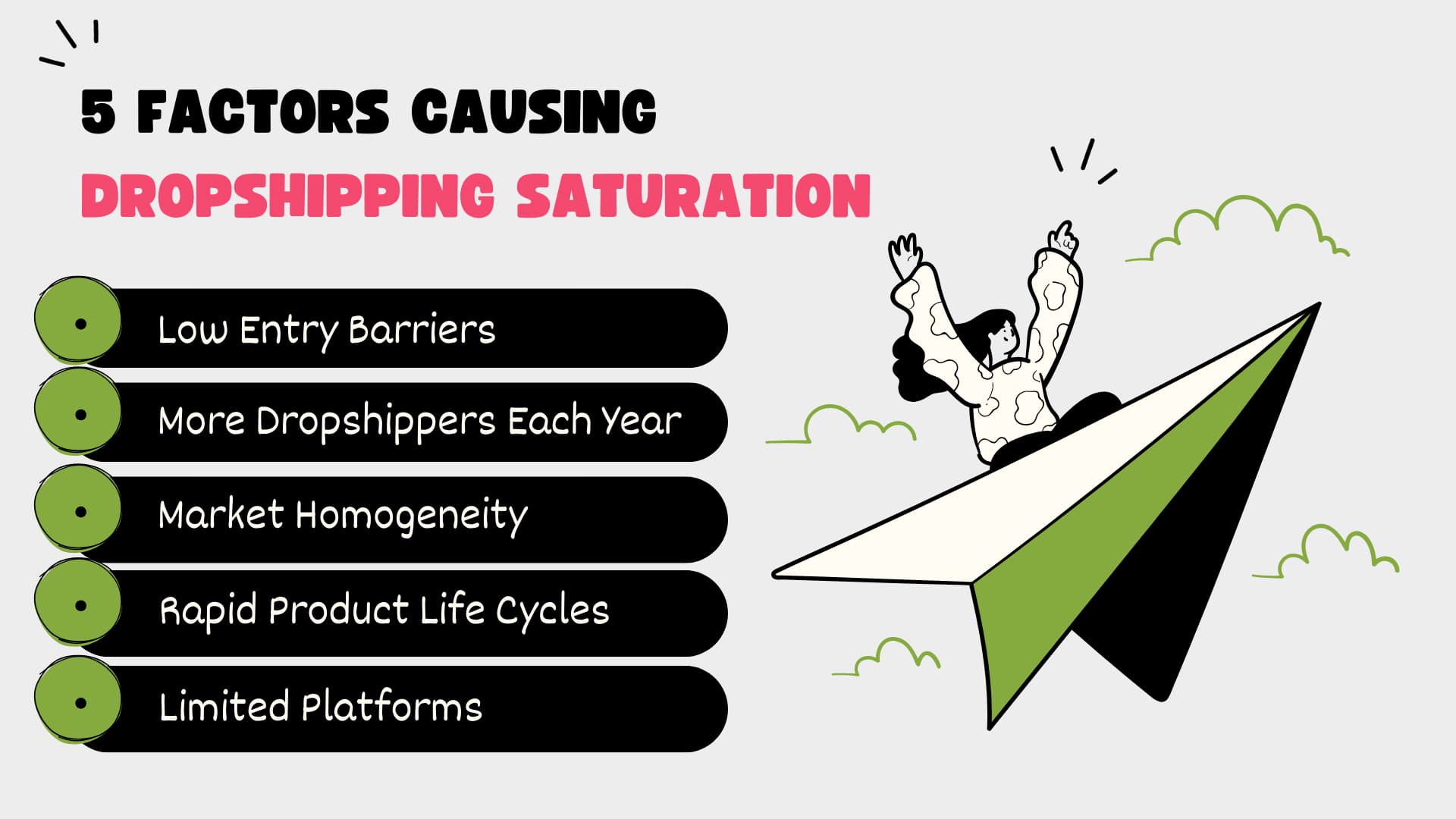
Several factors contribute to the perception of saturation in the dropshipping market:
- Low Barriers to Entry: The ease of starting a dropshipping business has led to an influx of new sellers. Platforms like Shopify and WooCommerce make it simple to set up an online store, attracting many aspiring entrepreneurs.
- Increased Competition: As more sellers enter the market, competition intensifies. This can lead to price wars, where sellers undercut each other to attract customers, ultimately squeezing profit margins.
- Market Homogeneity: Many dropshippers tend to sell similar products, particularly in popular niches like fashion and electronics. This homogeneity can make it difficult for new entrants to differentiate themselves.
- Rapid Product Life Cycles: Trends in consumer preferences can change quickly, leading to products becoming obsolete faster than they can be marketed effectively.
- Limited Platforms: While there are numerous e-commerce platforms available, many dropshippers rely on a few major ones, which can lead to overcrowding in certain markets.
The Current State of Dropshipping
Despite the challenges posed by saturation, the dropshipping market is still thriving. The global dropshipping market is projected to grow significantly, indicating that while competition is fierce, there are still ample opportunities for those willing to adapt and innovate.
Emerging Niches and Opportunities
One way to combat saturation is by exploring emerging niches. As consumer preferences evolve, new markets are opening up. For instance, sustainable products, personalized items, and niche hobbies are gaining traction. By focusing on these areas, dropshippers can find less competitive spaces to operate in.
Identifying Profitable Niches
To identify profitable niches, consider the following strategies:
- Market Research: Utilize tools like Google Trends and social media analytics to identify rising trends and consumer interests.
- Competitor Analysis: Study successful dropshipping stores to understand what products are performing well and where there might be gaps in the market.
- Customer Feedback: Engage with potential customers through surveys or social media to gather insights on their needs and preferences.
Building a Unique Brand
In a saturated market, branding becomes crucial. A strong brand identity can help differentiate your store from competitors. Here are some strategies to build a unique brand:
- Develop a Unique Selling Proposition (USP): Clearly define what makes your products or services different from others in the market.
- Create a Compelling Brand Story: Share your journey and values with your audience to create an emotional connection.
- Invest in Quality Design: Professional branding, including logos and website design, can enhance your store’s credibility and appeal.
- Engage with Your Audience: Use social media and email marketing to build a community around your brand, fostering loyalty and repeat business.
Strategies to Overcome Saturation
While saturation presents challenges, there are several strategies that dropshippers can employ to thrive in a competitive environment.
Niche Specialization
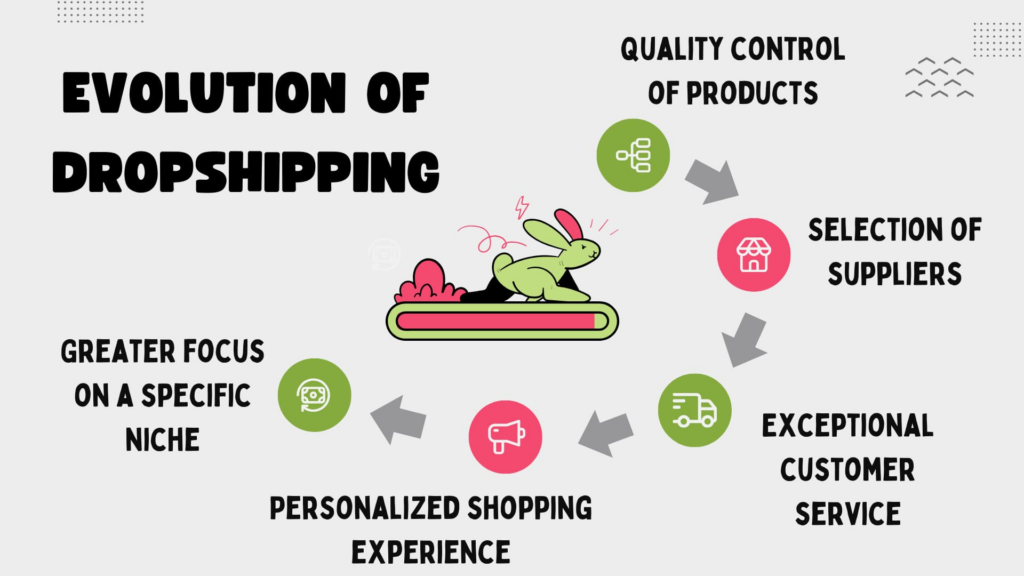
Focusing on a specific niche allows dropshippers to target a more defined audience. This can lead to better customer loyalty and reduced competition. For example, instead of selling generic fitness products, consider specializing in eco-friendly workout gear.
Diversification of Products and Suppliers
Relying on a single supplier or product line can be risky. Diversifying your product offerings and suppliers can help mitigate risks associated with saturation. This approach allows you to adapt to changing market demands and consumer preferences.
Leveraging Technology
Utilizing technology can streamline operations and enhance customer experiences. Consider implementing tools for inventory management, customer relationship management (CRM), and marketing automation to improve efficiency and effectiveness.
Focus on Customer Experience
Providing exceptional customer service can set your business apart. Ensure that your website is user-friendly, offer fast shipping options, and respond promptly to customer inquiries. A positive shopping experience can lead to repeat customers and referrals.
The Role of Marketing in a Saturated Market
Effective marketing is essential for success in a saturated dropshipping market. With numerous competitors vying for the same audience, your marketing strategies must be innovative and targeted.
Digital Marketing Strategies
- Search Engine Optimization (SEO): Optimize your website for search engines to increase organic traffic. Use relevant keywords, create high-quality content, and ensure your site is mobile-friendly.
- Social Media Marketing: Leverage platforms like Instagram, Facebook, and Pinterest to showcase your products and engage with your audience. Use visually appealing content to attract potential customers.
- Influencer Marketing: Collaborate with influencers in your niche to reach a broader audience. Influencers can help promote your products authentically, driving traffic and sales.
- Email Marketing: Build an email list and send regular newsletters to keep your audience informed about new products, promotions, and updates. Personalize your emails to enhance engagement.
- Content Marketing: Create valuable content related to your niche, such as blog posts, videos, or tutorials. This can help establish your brand as an authority in the industry and attract potential customers.
Utilizing Data Analytics
Data analytics can provide valuable insights into customer behavior and market trends. By analyzing data, dropshippers can make informed decisions about product offerings, marketing strategies, and customer engagement.
- Customer Behavior Analysis: Use analytics tools to track customer interactions on your website. Understand which products are popular, how customers navigate your site, and where they drop off in the purchasing process.
- Market Trend Analysis: Stay updated on industry trends and consumer preferences. Use tools like Google Trends and social media analytics to identify emerging trends and adjust your product offerings accordingly.
- Performance Metrics: Monitor key performance indicators (KPIs) such as conversion rates, average order value, and customer acquisition costs. This data can help you assess the effectiveness of your marketing strategies and make necessary adjustments.
The Future of Dropshipping
As we look ahead, the dropshipping landscape is likely to continue evolving. Here are some trends and predictions for the future of dropshipping:
Increased Focus on Sustainability
Consumers are becoming more environmentally conscious, leading to a growing demand for sustainable products. Dropshippers who prioritize eco-friendly products and practices will likely find success in this changing market.
Personalization and Customization
Personalization is becoming increasingly important in e-commerce. Customers expect tailored experiences, from product recommendations to personalized marketing messages. Dropshippers can leverage data analytics to offer personalized shopping experiences that resonate with their audience.
Integration of Artificial Intelligence
Artificial intelligence (AI) is transforming the e-commerce landscape. From chatbots providing customer support to AI-driven product recommendations, dropshippers can utilize AI to enhance customer experiences and streamline operations.
Expansion into New Markets
As global e-commerce continues to grow, dropshippers have the opportunity to expand into new markets. Exploring international markets can provide access to untapped customer bases and increase revenue potential.
Emphasis on Customer Experience
The importance of customer experience will only continue to grow. Dropshippers must prioritize providing exceptional service, from fast shipping to responsive customer support, to build loyalty and encourage repeat business.
Overcoming Common Challenges in Dropshipping
While dropshipping offers numerous advantages, it also comes with its own set of challenges. Understanding these challenges and developing strategies to overcome them is crucial for long-term success.
Managing Supplier Relationships
One of the biggest challenges in dropshipping is managing relationships with suppliers. Poor communication or unreliable suppliers can lead to stock shortages, delayed shipments, and unhappy customers. To mitigate these risks:
- Choose Reliable Suppliers: Research potential suppliers thoroughly. Look for reviews, ratings, and testimonials from other dropshippers to ensure they have a good track record.
- Establish Clear Communication: Maintain open lines of communication with your suppliers. Regularly check in to ensure they can meet your inventory needs and address any issues promptly.
- Have Backup Suppliers: Always have alternative suppliers in place. This can help you quickly pivot if your primary supplier fails to deliver.
Handling Customer Service Issues
Customer service is critical in dropshipping, as you are often the face of the business. To handle customer service effectively:
- Be Proactive: Anticipate potential issues and address them before they escalate. For example, if a product is out of stock, inform customers immediately and offer alternatives.
- Train Your Team: If you have a team, ensure they are well-trained in customer service best practices. Empower them to resolve issues quickly and effectively.
- Utilize Technology: Implement customer service tools like chatbots or helpdesk software to streamline inquiries and provide timely responses.
Navigating Shipping Challenges
Shipping can be a significant pain point in dropshipping. Delays, high costs, and international shipping complexities can impact customer satisfaction. To navigate these challenges:
- Offer Multiple Shipping Options: Provide customers with various shipping options, including express and standard shipping, to cater to different needs.
- Be Transparent About Shipping Times: Clearly communicate estimated shipping times on your website. This helps manage customer expectations and reduces frustration.
- Consider Fulfillment Centers: Using fulfillment centers can help streamline shipping processes and reduce delivery times, especially for international orders.
Conclusion
In conclusion, while the dropshipping market may appear saturated, there are still numerous opportunities for those willing to innovate and adapt. By focusing on niche markets, building a strong brand, leveraging technology, and employing effective marketing strategies, dropshippers can carve out a successful path in this competitive landscape. The key is to remain flexible and responsive to market changes, ensuring that your business can thrive even in challenging conditions.
As you explore the evolving landscape of dropshipping and seek unique products to stand out in a saturated market, discover exclusive deals and innovative items at LooperBuy that can elevate your online store. Check it out here: LooperBuy.
Article Summary: This article explores the saturation of the dropshipping market, examining the factors contributing to it and the current state of the industry. It discusses strategies for overcoming saturation, including niche specialization, product diversification, and enhancing customer experience. The article also highlights the role of marketing and data analytics in a competitive environment, as well as future trends in dropshipping. Despite challenges, opportunities remain for innovative dropshippers.
Hot Tags: Dropshipping; E-commerce; Market Saturation; Niche Marketing; Brand Development; Customer Experience; Online Business; Product Diversification; Technology in E-commerce; Sustainable Products; Market Research; Consumer Trends; Competitive Analysis; Digital Marketing; Inventory Management; CRM Tools; Marketing Automation; Customer Loyalty; Fast Shipping; User Experience; Emerging Niches; Profit Margins; Price Wars; Unique Selling Proposition; Emotional Branding; Community Engagement; Eco-Friendly Products; Fitness Gear; Online Store; Entrepreneurial Strategies.
Related Questions & Answers
· Is dropshipping still a viable business model in 2025?
Yes, dropshipping remains a viable business model, but success requires a strategic approach and adaptation to market changes.
· What are the best niches for dropshipping in 2025?
Emerging niches include sustainable products, personalized items, and specialized hobbies that cater to specific consumer interests.
· How can I differentiate my dropshipping store from competitors?
Develop a unique brand identity, focus on customer experience, and offer specialized products to stand out in a crowded market.
· What tools can help improve my dropshipping business?
Consider using inventory management software, CRM systems, and marketing automation tools to streamline operations and enhance customer engagement.
· How important is customer service in dropshipping?
Customer service is crucial in dropshipping as it can significantly impact customer loyalty and repeat business. Providing excellent support can set your store apart from competitors.