Table of Contents
Introduction
In recent years, drop shipping has emerged as a popular business model, especially among aspiring entrepreneurs looking to start an online store with minimal upfront investment. However, the question remains: is drop shipping legit? This article aims to explore the legitimacy of drop shipping, its operational mechanics, potential pitfalls, and how to navigate the landscape effectively.
What is Drop Shipping?
Definition and Process
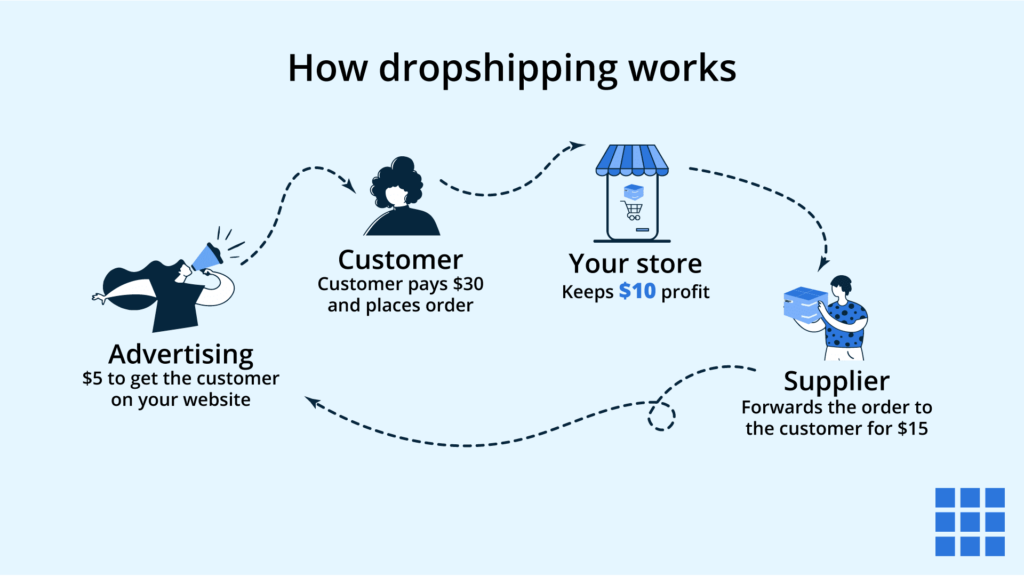
Drop shipping is a retail fulfillment method where a store does not keep the products it sells in stock. Instead, when a store sells a product, it purchases the item from a third-party supplier who ships the product directly to the customer. This means that the seller never sees or handles the product, which can significantly reduce overhead costs.
How It Works
- Customer Places an Order: A customer visits an online store and places an order for a product.
- Order Forwarding: The store owner receives the order and payment, then forwards the order details to the supplier.
- Supplier Ships the Product: The supplier processes the order and ships the product directly to the customer.
- Profit Margin: The store owner earns a profit based on the difference between the retail price and the wholesale price paid to the supplier.
This model allows entrepreneurs to focus on marketing and customer service rather than inventory management and logistics.
Is Drop Shipping Legal?
Legality of Drop Shipping
Yes, drop shipping is a legal business model. However, legality can vary based on the jurisdiction and the specific practices employed by the seller. It is crucial for drop shippers to comply with local laws regarding sales tax, consumer protection, and advertising standards. Additionally, sellers must ensure that they have permission to sell the products they are offering, particularly when dealing with branded items.
Compliance and Best Practices
To maintain legitimacy, drop shippers should:
- Work with Reputable Suppliers: Partnering with trustworthy suppliers is essential to ensure product quality and timely shipping.
- Adhere to Advertising Standards: Honest marketing practices are vital to avoid misleading customers.
- Understand Tax Obligations: Sellers must be aware of their tax responsibilities in the regions they operate.
The Pros and Cons of Drop Shipping
Advantages of Drop Shipping
- Low Startup Costs: One of the most significant benefits of drop shipping is the low barrier to entry. Entrepreneurs can start an online store without the need to invest heavily in inventory.
- Flexibility: Drop shipping allows for a flexible business model that can be operated from anywhere with an internet connection.
- Wide Product Selection: Sellers can offer a vast array of products without the need to stock them physically.
Disadvantages of Drop Shipping
- Lower Profit Margins: Since drop shippers do not buy in bulk, the profit margins can be lower compared to traditional retail models.
- Lack of Control: Sellers rely on suppliers for product quality and shipping, which can lead to issues if the supplier fails to deliver as promised.
- Customer Service Challenges: If a customer has a problem with their order, the drop shipper must handle the situation, even if the issue lies with the supplier.
Common Misconceptions About Drop Shipping
Myth 1: Drop Shipping is a Get-Rich-Quick Scheme
Many people believe that drop shipping is an easy way to make money quickly. While it is true that some individuals have found success, it requires hard work, effective marketing strategies, and a solid understanding of the market.
Myth 2: All Drop Shipping Suppliers are Reliable
Not all suppliers are created equal. Some may offer poor quality products or unreliable shipping times. It is essential to conduct thorough research and vet suppliers before entering into agreements.
Myth 3: You Can’t Make Money with Drop Shipping
While profit margins may be lower, many successful drop shippers have built profitable businesses by focusing on niche markets, effective branding, and excellent customer service.
How to Succeed in Drop Shipping
Finding the Right Niche
Choosing the right niche is crucial for success in drop shipping. Sellers should look for products that are in demand but not overly saturated in the market. Conducting market research and analyzing trends can help identify profitable niches.
Building a Strong Brand
Creating a recognizable brand can set a drop shipping business apart from competitors. This includes developing a professional website, engaging in social media marketing, and providing excellent customer service.
Marketing Strategies
Effective marketing is essential for driving traffic to a drop shipping store. Utilizing social media, search engine optimization (SEO), and paid advertising can help attract potential customers.
Customer Service Excellence
Providing exceptional customer service is vital in the drop shipping business. Since sellers do not handle the products directly, they must ensure that their communication with customers is clear and responsive. This includes addressing inquiries promptly, handling returns efficiently, and maintaining transparency about shipping times and product availability.
Leveraging Technology
Utilizing technology can streamline operations and enhance the customer experience. Many drop shippers use e-commerce platforms like Shopify, WooCommerce, or BigCommerce, which offer integrated tools for inventory management, order processing, and customer relationship management. Additionally, automation tools can help manage marketing campaigns and customer communications, allowing sellers to focus on growth.
Challenges in Drop Shipping
Supplier Reliability
One of the most significant challenges in drop shipping is ensuring supplier reliability. If a supplier fails to deliver products on time or provides subpar quality, it can lead to negative customer experiences and damage the seller’s reputation. To mitigate this risk, sellers should:
- Vet Suppliers Thoroughly: Research potential suppliers by reading reviews, checking their business history, and requesting samples of their products.
- Establish Clear Communication: Maintain open lines of communication with suppliers to address any issues that may arise promptly.
- Diversify Suppliers: Working with multiple suppliers can reduce dependency on a single source and provide backup options in case of supply chain disruptions.
Market Competition
The drop shipping market is highly competitive, with many sellers vying for the same customers. To stand out, sellers must differentiate themselves through unique product offerings, superior customer service, and effective branding. This may involve:
- Identifying Unique Selling Propositions (USPs): Determine what makes your products or services unique and communicate this effectively to potential customers.
- Investing in Marketing: Allocate resources to marketing efforts that resonate with your target audience, whether through social media, influencer partnerships, or content marketing.
Managing Customer Expectations
Since drop shippers do not control the shipping process, managing customer expectations is crucial. Sellers should:
- Provide Accurate Shipping Information: Clearly communicate estimated delivery times and any potential delays to customers.
- Offer Transparent Return Policies: Establish clear return and refund policies to build trust with customers and reduce the likelihood of disputes.
Financial Considerations in Drop Shipping
Understanding Profit Margins
Profit margins in drop shipping can vary significantly based on the products sold and the pricing strategy employed. Sellers should aim for a profit margin that covers costs while remaining competitive. Typically, profit margins in drop shipping range from 10% to 30%. To maximize profits, sellers can:
- Negotiate with Suppliers: Building strong relationships with suppliers can lead to better pricing and terms.
- Optimize Pricing Strategies: Experimenting with different pricing strategies, such as psychological pricing or bundling products, can help increase sales.
Managing Cash Flow
Cash flow management is critical in drop shipping, as sellers must pay suppliers upfront while waiting for customers to pay for their orders. To maintain healthy cash flow, sellers should:
- Monitor Inventory Levels: Keep track of inventory levels to avoid stockouts and ensure timely fulfillment.
- Utilize Payment Gateways: Choose payment gateways that offer quick processing times to minimize delays in receiving funds.
Legal Considerations in Drop Shipping
Understanding Intellectual Property Rights
When engaging in drop shipping, sellers must be aware of intellectual property rights, particularly when selling branded products. Unauthorized use of trademarks or copyrighted materials can lead to legal issues. To avoid these pitfalls, sellers should:
- Research Product Legitimacy: Ensure that the products being sold do not infringe on any intellectual property rights.
- Obtain Necessary Permissions: If selling branded products, obtain permission from the brand owner to avoid legal complications.
Compliance with Consumer Protection Laws
Drop shippers must comply with consumer protection laws, which vary by region. This includes providing accurate product descriptions, honoring return policies, and ensuring customer data protection. Sellers should:
- Stay Informed About Regulations: Regularly review local laws and regulations to ensure compliance.
- Implement Privacy Policies: Establish clear privacy policies to protect customer data and build trust.
Conclusion
In conclusion, drop shipping is a legitimate business model that offers numerous opportunities for entrepreneurs. However, it is not without its challenges. By understanding the mechanics of drop shipping, adhering to legal requirements, and implementing effective strategies, sellers can build successful businesses in this competitive landscape. The key to success lies in thorough research, strong supplier relationships, and a commitment to customer satisfaction.
As you embark on your drop shipping journey, remember that the right products can make all the difference in your success—explore a wide range of high-quality items at competitive prices to elevate your online store today! Check out LooperBuy for unbeatable deals and a seamless shopping experience.
Summary
This article explores the legitimacy of drop shipping, detailing its operational process, legal considerations, advantages, and disadvantages. It dispels common myths and provides insights into how to succeed in this business model, emphasizing the importance of choosing the right niche, building a strong brand, and employing effective marketing strategies. Additionally, it addresses challenges such as supplier reliability and market competition, offering practical solutions for aspiring drop shippers.
Hot Tags: Drop Shipping; E-commerce; Online Business; Retail Fulfillment; Business Model; Supplier Management; Market Research; Branding; Customer Service; Profit Margins; Startup Costs; Niche Marketing; Digital Marketing; SEO; Social Media; Consumer Protection; Sales Tax; Advertising Standards; Product Quality; Shipping Reliability; Business Legitimacy; Entrepreneurial Success; E-commerce Trends; Online Store; Business Strategy; Supply Chain; Wholesale; Inventory Management; Customer Trust; Business Growth; E-commerce Platforms.
Related Questions & Answers
· What are the legal implications of drop shipping?
Yes, drop shipping is legal as long as sellers comply with local laws regarding sales tax, consumer protection, and advertising standards.
· How can I ensure my drop shipping business is ethical?
To maintain ethical practices, work with reputable suppliers, provide transparent information to customers, and adhere to advertising standards.
· What are the best platforms for finding reliable drop shipping suppliers?
Popular platforms include Oberlo, Spocket, and SaleHoo, which connect sellers with vetted suppliers and offer various product options.
· How can I improve my drop shipping profit margins?
Focus on niche products with higher demand, negotiate better rates with suppliers, and optimize your marketing strategies to attract more customers.
· What are the most common mistakes to avoid in drop shipping?
Common mistakes include failing to research suppliers, neglecting customer service, and not having a clear marketing strategy.