In recent years, dropshipping has emerged as a popular business model, particularly in the realm of e-commerce. However, for many Muslims, the question of whether dropshipping is haram (forbidden) or halal (permissible) is a significant concern. This article delves into the intricacies of dropshipping from an Islamic perspective, exploring the principles that govern trade in Islam and how they apply to this modern business model.

Table of Contents
What is Dropshipping?
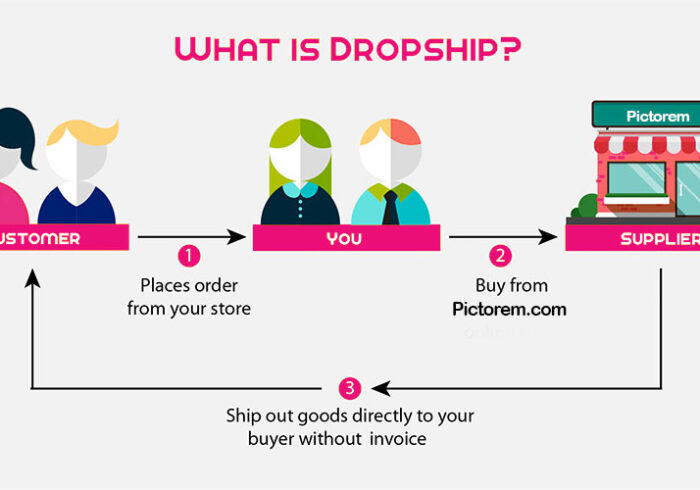
Dropshipping is a retail fulfillment method where a store does not keep the products it sells in stock. Instead, when a store sells a product, it purchases the item from a third party and has it shipped directly to the customer. This means that the seller never sees or handles the product. The primary appeal of dropshipping lies in its low overhead costs and the ability to offer a wide range of products without the need for significant upfront investment.
The Mechanics of Dropshipping
To understand the implications of dropshipping in Islamic finance, it is essential to grasp how the model operates:
- Order Placement: A customer places an order on the dropshipper’s online store.
- Supplier Notification: The dropshipper forwards the order details to the supplier.
- Product Shipment: The supplier ships the product directly to the customer.
- Profit Margin: The dropshipper retains the difference between the retail price and the wholesale price as profit.
This model raises several questions regarding ownership, risk, and ethical considerations, all of which are crucial in determining its permissibility in Islam.
Islamic Principles of Trade
Islamic finance is governed by specific principles that dictate what is permissible and what is not. Key concepts include:
Ownership and Possession
In Islamic law, one cannot sell what one does not own. This principle is rooted in the concept of gharar, which refers to uncertainty or ambiguity in transactions. Selling a product that the seller does not possess at the time of the sale can be seen as a violation of this principle. The importance of ownership is emphasized in various Hadiths, where the Prophet Muhammad (peace be upon him) advised against selling items that one does not possess.
Risk and Responsibility
Islamic trade practices emphasize the importance of taking on risk and responsibility. A seller must ensure that they can fulfill their obligations to the buyer. In dropshipping, the seller does not take possession of the product, which raises questions about their ability to meet these obligations. The concept of risk in Islamic finance is closely tied to the idea of mudarabah, where both parties share the risks and rewards of a business venture.
Ethical Considerations
Islam encourages fair trade practices and prohibits deceitful behavior. Dropshipping can sometimes involve misleading marketing practices, where the seller may not fully disclose the nature of the transaction to the buyer. This lack of transparency can lead to ethical dilemmas. The Islamic principle of adl (justice) requires that all parties in a transaction are treated fairly and honestly.
Is Dropshipping Haram?
The question of whether dropshipping is haram is not straightforward and varies among scholars. Here are some perspectives:
Arguments for Dropshipping Being Haram
- Lack of Ownership: Many scholars argue that since the dropshipper does not own the product at the time of sale, this violates the principle of ownership in Islamic trade. The act of selling something that one does not possess can be seen as a form of deception.
- Potential for Deceit: If the dropshipper misrepresents the product or fails to deliver as promised, it can lead to unethical practices, which are prohibited in Islam. The potential for misleading customers about product quality or delivery times raises significant ethical concerns.
- Risk of Gharar: The uncertainty involved in dropshipping, particularly regarding product quality and delivery times, can be seen as a form of gharar, making it impermissible. This uncertainty can lead to disputes and dissatisfaction among customers, which is contrary to Islamic principles of fair trade.
Arguments for Dropshipping Being Halal
- Service Provision: Some scholars argue that dropshipping can be viewed as a service where the dropshipper acts as a middleman, facilitating the sale between the supplier and the customer. As long as the transaction is transparent and ethical, it may be permissible. This perspective emphasizes the role of the dropshipper as a legitimate business operator rather than a deceptive seller.
- Contractual Agreement: If the dropshipper has a clear agreement with the supplier regarding pricing and delivery, this can mitigate concerns about ownership and risk. Establishing a formal contract can help clarify the responsibilities of each party and ensure that the transaction adheres to Islamic principles.
- Market Demand: The ability to meet consumer demand through dropshipping can be seen as fulfilling a market need, which is encouraged in Islam. By providing access to a wider range of products, dropshippers can contribute positively to the economy and serve the needs of their customers.
Navigating the Dropshipping Landscape
For Muslims considering entering the dropshipping business, it is crucial to navigate the landscape carefully. Here are some steps to ensure compliance with Islamic principles:
Research and Education
Understanding the principles of Islamic finance and how they apply to dropshipping is essential. Engaging with knowledgeable scholars or resources can provide clarity on the permissibility of specific practices. Online courses, webinars, and community discussions can be valuable resources for gaining insights into ethical business practices.
Transparency in Transactions
Being transparent with customers about the nature of the dropshipping model is vital. This includes clear communication about shipping times, product quality, and return policies. Providing detailed product descriptions and honest marketing can help build trust with customers and mitigate concerns about deceit.
Ethical Sourcing
Choosing suppliers who adhere to ethical practices and provide quality products can help mitigate concerns about deceit and ensure that the business operates within Islamic guidelines. Conducting due diligence on suppliers, including checking their reputation and product quality, is essential for maintaining ethical standards.
Establishing Ownership
Where possible, establishing a form of ownership, such as purchasing products upfront or using a consignment model, can help align the dropshipping practice with Islamic principles. This approach can reduce the risk of gharar and ensure that the seller has a vested interest in the products being sold.
Customer Education
Educating customers about the dropshipping process can also enhance transparency. Providing information about how dropshipping works, including potential delivery times and the nature of the products, can help manage customer expectations and build trust.
The Role of Technology in Dropshipping
The rise of technology has significantly impacted the dropshipping model, making it more accessible to entrepreneurs worldwide. E-commerce platforms like Shopify, WooCommerce, and others have streamlined the process, allowing individuals to set up online stores with ease. However, this technological advancement also brings challenges, particularly in ensuring compliance with Islamic principles.
E-commerce Platforms and Compliance
Many e-commerce platforms offer tools and resources to help dropshippers manage their businesses effectively. However, it is essential for Muslim entrepreneurs to ensure that the platforms they use align with Islamic values. This includes evaluating payment processing methods, marketing practices, and the types of products being sold.
Digital Marketing Ethics
Digital marketing plays a crucial role in the success of dropshipping businesses. However, ethical considerations must guide marketing strategies. Misleading advertisements, exaggerated claims, and lack of transparency can lead to ethical violations. Muslim entrepreneurs should prioritize honesty and integrity in their marketing efforts, ensuring that they accurately represent their products and services.
Customer Relationship Management
Building strong relationships with customers is vital for the success of any business, including dropshipping. Implementing effective customer relationship management (CRM) strategies can help dropshippers maintain transparency and address customer concerns promptly. Providing excellent customer service, responding to inquiries, and handling complaints professionally can enhance customer satisfaction and loyalty.
The Future of Dropshipping in Islamic Markets
As e-commerce continues to grow, the dropshipping model is likely to evolve. Muslim entrepreneurs must stay informed about changes in technology, consumer behavior, and Islamic finance principles. Here are some trends and considerations for the future of dropshipping in Islamic markets:
Increasing Demand for Halal Products
With a growing global Muslim population, there is an increasing demand for halal products. Dropshippers who focus on sourcing and selling halal-certified items can tap into this lucrative market. This not only aligns with Islamic principles but also meets the needs of consumers seeking products that comply with their beliefs.
Emphasis on Sustainability
Sustainability is becoming a significant concern for consumers worldwide. Dropshippers who prioritize eco-friendly products and ethical sourcing can differentiate themselves in the market. By aligning their business practices with sustainability principles, Muslim entrepreneurs can appeal to environmentally conscious consumers while adhering to Islamic values.
Leveraging Social Media
Social media platforms are powerful tools for marketing and customer engagement. Dropshippers can utilize these platforms to build brand awareness, connect with customers, and promote their products. However, it is essential to maintain ethical marketing practices and avoid misleading claims.
Adapting to Regulatory Changes
As e-commerce regulations evolve, dropshippers must stay informed about legal requirements in their respective markets. This includes understanding consumer protection laws, data privacy regulations, and any specific guidelines related to Islamic finance. Compliance with these regulations is crucial for maintaining a reputable business.
Conclusion
The question of whether dropshipping is haram is complex and multifaceted. While there are valid concerns regarding ownership, risk, and ethical practices, there are also arguments supporting its permissibility under certain conditions. Ultimately, Muslims interested in dropshipping should seek knowledge, engage with scholars, and ensure their business practices align with Islamic principles.
In summary, dropshipping can be a viable business model for Muslims if approached with caution and adherence to Islamic guidelines. By prioritizing transparency, ethical sourcing, and a clear understanding of the principles of trade, one can navigate the challenges of this modern e-commerce model.
As you explore the world of dropshipping and seek to align your business practices with Islamic principles, consider enhancing your shopping experience with quality products from LooperBuy, where ethical sourcing meets customer satisfaction. Discover more at LooperBuy.
Article Summary: This article explores the question of whether dropshipping is haram in Islam. It discusses the mechanics of dropshipping, Islamic principles of trade, and presents arguments for and against its permissibility. The article emphasizes the importance of transparency, ethical practices, and understanding Islamic finance principles for Muslims considering dropshipping.
Hot Tags: Dropshipping; Halal Business; Islamic Finance; E-commerce; Gharar; Ownership in Islam; Ethical Trading; Online Retail; Muslim Entrepreneurs; Business Ethics; Trade Principles; Risk Management; Consumer Rights; Transparency in Business; Supply Chain; E-commerce Regulations; Digital Marketing; Online Shopping; Business Models; Islamic Law; Financial Ethics; Market Demand; Service Provision; Contractual Agreements; Product Quality; Ethical Sourcing; Business Compliance; Islamic Scholars; Consumer Protection; Dropshipping Strategies; Online Business.
Related Questions & Answers
· What are the most common ethical concerns in dropshipping?
Common ethical concerns include misleading marketing practices, lack of transparency about product quality, and potential issues with supplier reliability.
· How can dropshippers ensure transparency with their customers?
Dropshippers can ensure transparency by providing clear product descriptions, honest marketing, and detailed information about shipping times and return policies.
· What are the key differences in opinion among Islamic scholars regarding dropshipping?
Scholars differ on whether dropshipping is permissible based on interpretations of ownership, risk, and ethical considerations, with some viewing it as a legitimate service and others as a violation of Islamic trade principles.