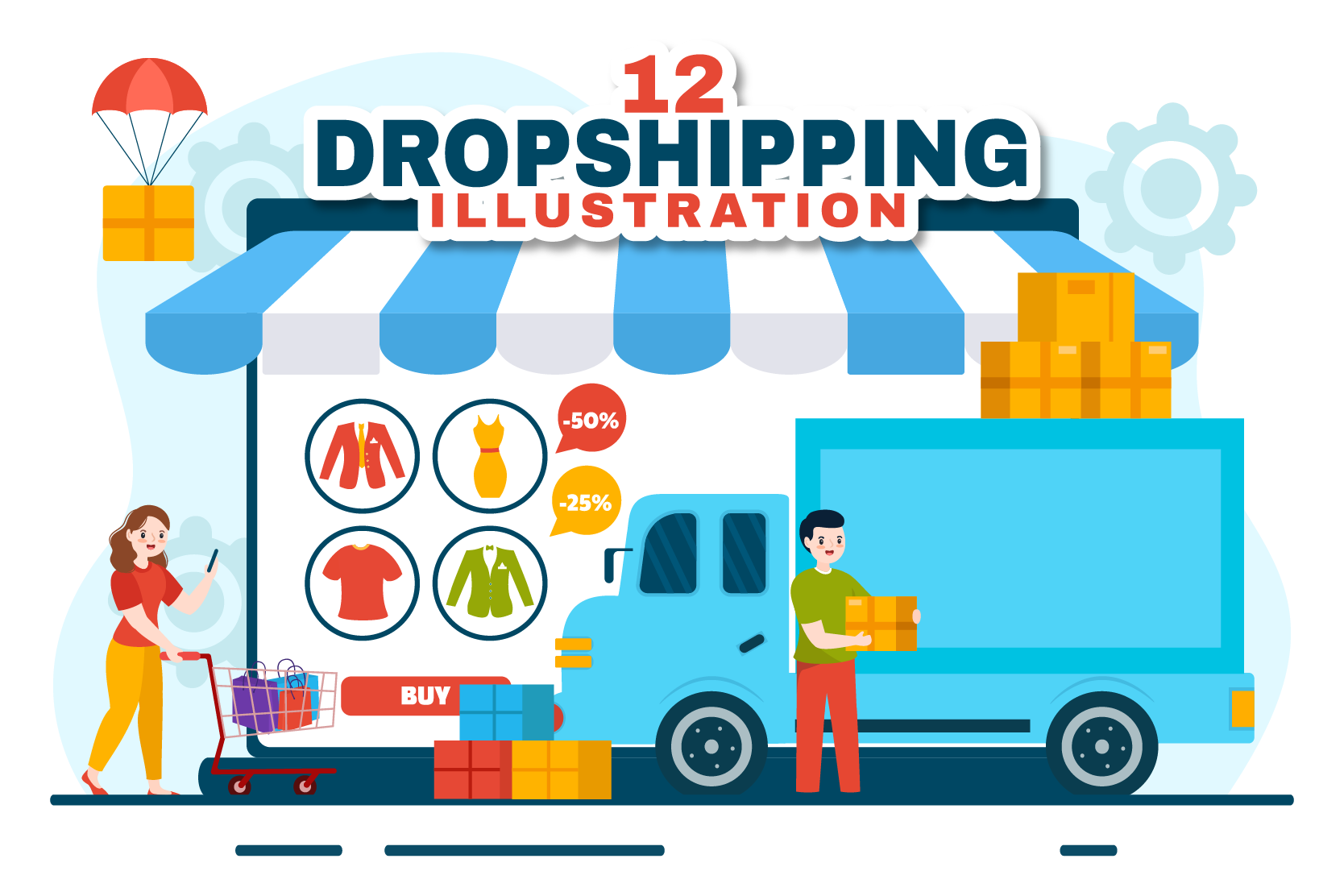
Starting a drop shipping company can be an exciting venture for aspiring entrepreneurs. With the rise of e-commerce, drop shipping has become a popular business model that allows individuals to sell products without holding inventory. This guide will walk you through the essential steps to launch your drop shipping business successfully, covering everything from market research to marketing strategies.
Table of Contents
Understanding Drop Shipping
Drop shipping is a retail fulfillment method where a store doesn’t keep the products it sells in stock. Instead, when a store sells a product, it purchases the item from a third party and has it shipped directly to the customer. This means that the seller never sees or handles the product.
Advantages of Drop Shipping
- Low Startup Costs: One of the most significant advantages of drop shipping is that it requires minimal upfront investment. You don’t need to purchase inventory upfront, which reduces financial risk.
- Wide Product Selection: Since you don’t have to pre-purchase the items you sell, you can offer a wide variety of products without the risk of unsold inventory.
- Location Independence: A drop shipping business can be run from anywhere with an internet connection, making it an attractive option for those seeking flexibility.
- Scalability: As your business grows, you can easily add new products and suppliers without the need for significant changes to your operations.
- Focus on Marketing and Customer Service: Since you don’t have to worry about inventory management and shipping logistics, you can focus more on marketing your products and providing excellent customer service.
Step-by-Step Guide to Starting Your Drop Shipping Company
Step 1: Conduct Market Research
Before diving into the drop shipping business, it’s crucial to conduct thorough market research. This will help you identify profitable niches and understand your target audience.
Identifying Your Niche
Choosing the right niche is vital for your drop shipping business. Look for products that are in demand but not overly saturated in the market. Use tools like Google Trends, social media, and online marketplaces to gauge interest in potential products.
- Trends and Seasonality: Pay attention to seasonal trends and consumer behavior. Certain products may sell better during specific times of the year, such as holiday decorations or summer apparel.
- Target Audience: Define your target audience based on demographics, interests, and purchasing behavior. Understanding your audience will help you tailor your marketing efforts effectively.
Analyzing Competitors
Once you have a niche in mind, analyze your competitors. Look at their product offerings, pricing strategies, and customer reviews. This information can help you identify gaps in the market and opportunities for differentiation.
- SWOT Analysis: Conduct a SWOT analysis (Strengths, Weaknesses, Opportunities, Threats) of your competitors to understand their positioning and how you can compete effectively.
- Unique Selling Proposition (USP): Determine what makes your business unique. This could be exceptional customer service, unique product offerings, or competitive pricing.
Step 2: Choose a Reliable Supplier
Finding a reliable supplier is one of the most critical aspects of starting a drop shipping business. Your supplier will be responsible for fulfilling orders, so it’s essential to choose one that is trustworthy and efficient.
Evaluating Suppliers
When evaluating potential suppliers, consider the following factors:
- Product Quality: Order samples to assess the quality of the products you plan to sell. High-quality products lead to satisfied customers and repeat business.
- Shipping Times: Ensure that the supplier can meet your shipping expectations. Long shipping times can lead to customer dissatisfaction.
- Customer Service: A supplier with excellent customer service can help resolve issues quickly and maintain customer satisfaction.
- Return Policy: Understand the supplier’s return policy. A flexible return policy can enhance customer trust and satisfaction.
Popular Drop Shipping Platforms
Some popular platforms for finding drop shipping suppliers include:
- AliExpress: A vast marketplace with a wide range of products and suppliers. It’s particularly popular for low-cost items.
- Oberlo: A platform that integrates with Shopify, making it easy to find and import products directly into your store.
- SaleHoo: A directory of verified suppliers that can help you find reliable partners. It also offers market research tools.
- Printful: If you’re interested in custom products, Printful allows you to create and sell custom designs on various items, from apparel to home decor.
Step 3: Set Up Your Online Store
Once you have your niche and supplier, it’s time to set up your online store. This is where you will showcase your products and process orders.
Choosing an E-commerce Platform
Select an e-commerce platform that suits your needs. Some popular options include:
- Shopify: Known for its user-friendly interface and extensive app ecosystem, Shopify is a great choice for beginners.
- WooCommerce: A WordPress plugin that offers flexibility and customization options. It’s ideal for those who are familiar with WordPress.
- BigCommerce: A robust platform with built-in features for scaling your business. It’s suitable for larger businesses with more complex needs.
- Wix: A website builder that offers e-commerce capabilities. It’s user-friendly and great for those who want a simple setup.
Designing Your Store
Your online store should be visually appealing and easy to navigate. Focus on creating a user-friendly experience by:
- Using High-Quality Images: Invest in professional product photography to showcase your items effectively.
- Implementing a Simple Checkout Process: A complicated checkout process can lead to cart abandonment. Ensure that the process is straightforward and secure.
- Ensuring Mobile-Friendliness: With a significant amount of online shopping done on mobile devices, ensure your store is optimized for mobile users.
- Creating Compelling Product Descriptions: Write clear and engaging product descriptions that highlight the benefits and features of your products.
Step 4: Develop a Marketing Strategy
With your store set up, it’s time to attract customers. A solid marketing strategy is essential for driving traffic and generating sales.
Utilizing Social Media
Social media platforms like Instagram, Facebook, and Pinterest can be powerful tools for promoting your drop shipping business. Create engaging content that showcases your products and connects with your audience.
- Content Marketing: Share valuable content related to your niche. This could include blog posts, videos, or infographics that educate your audience and establish your brand as an authority.
- Influencer Marketing: Collaborate with influencers in your niche to reach a broader audience. Influencers can help promote your products to their followers, increasing your visibility.
Search Engine Optimization (SEO)
Optimizing your online store for search engines can help increase organic traffic. Focus on keyword research, on-page SEO, and building backlinks to improve your search rankings.
- Keyword Research: Use tools like Google Keyword Planner or SEMrush to identify relevant keywords for your products and niche.
- On-Page SEO: Optimize your product pages with relevant keywords, meta descriptions, and alt tags for images.
- Building Backlinks: Reach out to bloggers and websites in your niche to secure backlinks to your store, which can improve your search engine ranking.
Paid Advertising
Consider using paid advertising to reach a broader audience. Platforms like Google Ads and Facebook Ads allow you to target specific demographics and interests, making it easier to reach potential customers.
- Retargeting Ads: Use retargeting ads to reach users who have previously visited your site but did not make a purchase. This can help bring them back to complete their purchase.
- A/B Testing: Experiment with different ad creatives and targeting options to determine what works best for your audience.
Step 5: Manage Your Business Operations
Once your drop shipping business is up and running, it’s essential to manage your operations effectively.
Order Fulfillment
Ensure that your supplier is fulfilling orders promptly and accurately. Regularly communicate with your supplier to address any issues that may arise.
- Tracking Orders: Implement a system for tracking orders and providing customers with updates on their shipments.
- Inventory Management: Keep an eye on your supplier’s inventory levels to avoid selling products that are out of stock.
Customer Service
Providing excellent customer service is crucial for building a loyal customer base. Respond to inquiries promptly and handle returns and refunds efficiently.
- Live Chat Support: Consider adding live chat support to your website to assist customers in real-time.
- Feedback and Reviews: Encourage customers to leave reviews and feedback. This can help you improve your service and build trust with potential customers.
Analyzing Performance
Regularly analyze your business performance using analytics tools. Monitor key metrics such as sales, traffic, and conversion rates to identify areas for improvement.
- Google Analytics: Use Google Analytics to track website traffic, user behavior, and conversion rates.
- Sales Reports: Generate sales reports to understand which products are performing well and which may need adjustments.
Step 6: Scaling Your Drop Shipping Business
Once your drop shipping business is established and generating consistent sales, consider strategies for scaling your operations.
Expanding Product Lines
Adding new products to your store can help attract new customers and increase sales. Research trends and customer preferences to identify potential new products.
Exploring New Markets
Consider expanding your business to new markets, either by targeting different demographics or by selling internationally. Research the regulations and logistics involved in selling to new regions.
Automating Processes
Look for opportunities to automate repetitive tasks, such as order processing and customer communication. Tools like Zapier can help integrate different applications and streamline your operations.
Building a Brand
As your business grows, focus on building a strong brand identity. This includes creating a memorable logo, consistent branding across all platforms, and a clear brand message that resonates with your target audience.
Conclusion
Starting a drop shipping company can be a rewarding venture if approached with careful planning and execution. By conducting thorough market research, choosing reliable suppliers, setting up an appealing online store, and implementing effective marketing strategies, you can build a successful drop shipping business. Remember to stay adaptable and continuously analyze your performance to ensure long-term success.
As you embark on your drop shipping journey, remember that the right products can make all the difference in your success—explore unique and trending items that will captivate your customers at LooperBuy.
Article Summary: This comprehensive guide outlines the essential steps to start a successful drop shipping company, including market research, supplier selection, online store setup, marketing strategies, and business management. With careful planning and execution, aspiring entrepreneurs can thrive in the drop shipping industry.
Hot Tags: Drop Shipping; E-commerce; Online Business; Market Research; Supplier Selection; Shopify; WooCommerce; Digital Marketing; SEO; Social Media Marketing; Customer Service; Order Fulfillment; Business Operations; Niche Selection; Product Quality; Shipping Times; Sales Strategy; Analytics; Business Growth; Flexibility; Startup Costs; Product Selection; Inventory Management; Retail Fulfillment; Business Model; Entrepreneur; Online Store; Marketing Strategy; Customer Satisfaction; Business Success; E-commerce Trends.
Related Questions & Answers
· What are the common pitfalls to avoid when starting a drop shipping business?
Common pitfalls include choosing the wrong niche, failing to research suppliers thoroughly, neglecting customer service, and not having a solid marketing strategy.
· How can I automate aspects of my drop shipping business to improve efficiency?
You can automate order processing, inventory management, and customer communication using tools like Zapier, Shopify apps, and email marketing automation.
· What legal considerations should I be aware of when running a drop shipping company?
Be aware of sales tax regulations, consumer protection laws, and any licensing requirements for your products. It’s also important to have clear terms and conditions on your website.
· How do I handle returns and refunds in a drop shipping business?
Establish a clear return policy with your suppliers and communicate this policy to your customers. Ensure that you handle returns promptly to maintain customer satisfaction.
· What are the best marketing strategies for a drop shipping business?
Effective strategies include social media marketing, search engine optimization (SEO), influencer partnerships, and paid advertising campaigns to reach your target audience.