When it comes to furnishing a home, every detail counts, and small furniture feet are no exception. These often-overlooked components can significantly impact the aesthetics, functionality, and durability of your furniture. In this comprehensive guide, we will explore the various types of small furniture feet, their benefits, and how to choose the right ones for your needs.
Table of Contents
Understanding Small Furniture Feet
What Are Small Furniture Feet?
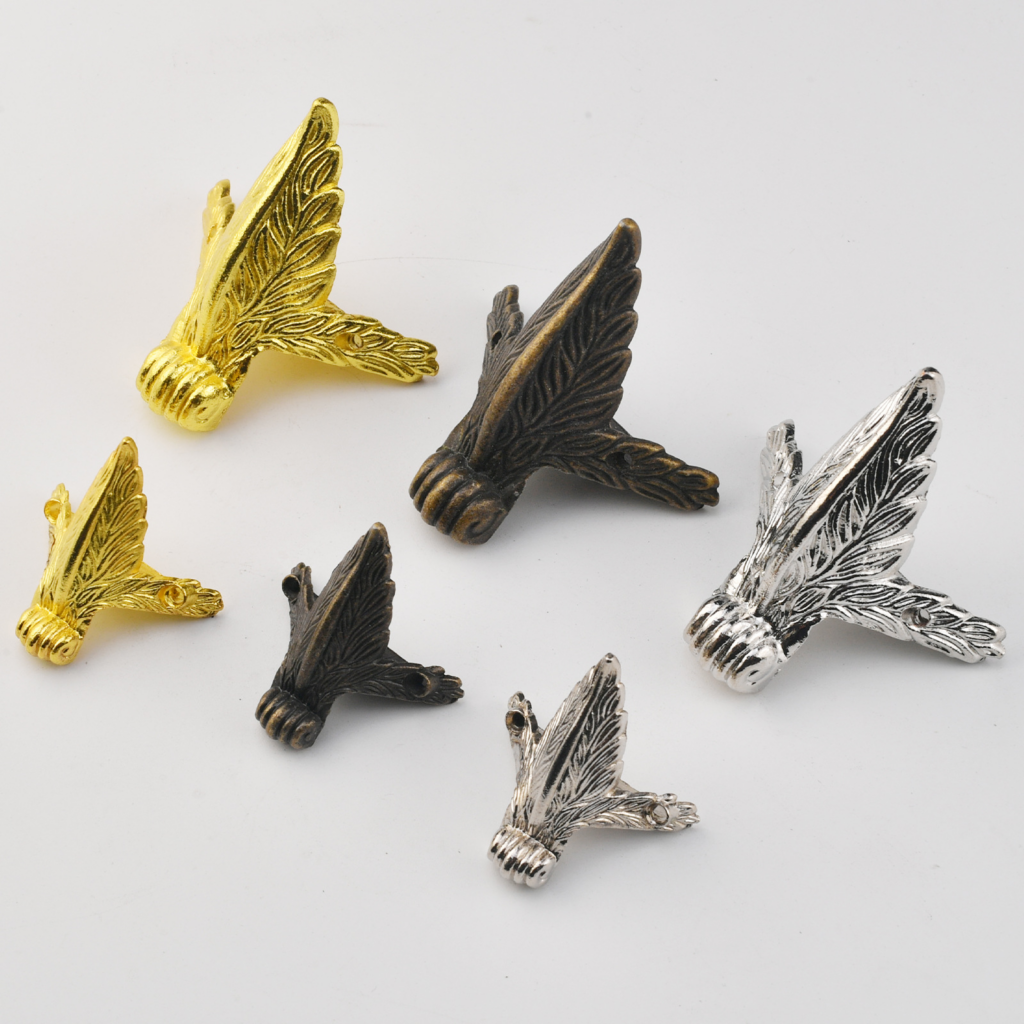
Small furniture feet, also known as furniture legs or feet, are the supports that elevate furniture off the ground. They come in various shapes, sizes, and materials, and are essential for stability, style, and protection of flooring surfaces. Whether you are looking to replace old legs or enhance the look of your furniture, understanding the options available is crucial.
Why Are They Important?
- Stability: Properly designed furniture feet provide stability, preventing wobbling and tipping.
- Aesthetic Appeal: The right feet can enhance the overall look of your furniture, adding a touch of elegance or modernity.
- Floor Protection: Furniture feet help protect your floors from scratches and dents, especially on hardwood or tile surfaces.
- Height Adjustment: Some furniture feet are adjustable, allowing you to modify the height of your furniture to suit your needs.
Types of Small Furniture Feet
Wooden Feet
Wooden furniture feet are a classic choice that adds warmth and character to any piece. They come in various styles, from traditional to contemporary, and can be stained or painted to match your furniture.
Pros:
- Durable and sturdy
- Aesthetic versatility
- Can be refinished
Cons:
- May require maintenance to prevent wear
- Can be more expensive than synthetic options
Metal Feet
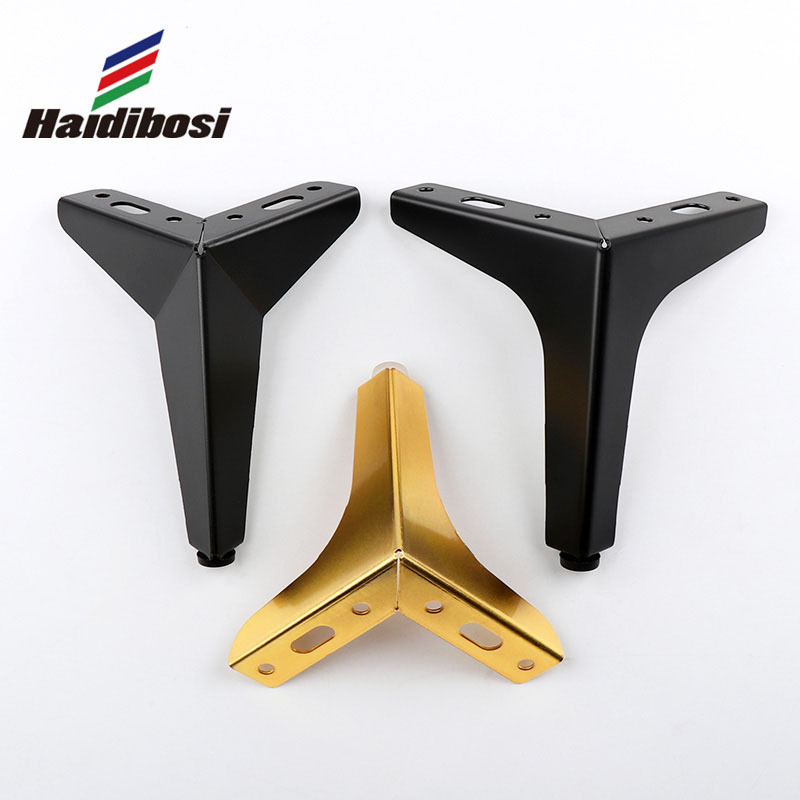
Metal furniture feet, often made from steel or aluminum, offer a modern and industrial look. They are typically very durable and can support heavier furniture.
Pros:
- High durability and strength
- Sleek, modern appearance
- Resistant to wear and tear
Cons:
- Can be cold and uninviting
- May scratch floors if not equipped with protective pads
Plastic Feet
Plastic furniture feet are lightweight and often the most affordable option. They are available in various colors and styles, making them a versatile choice for many types of furniture.
Pros:
- Cost-effective
- Lightweight and easy to install
- Available in many designs
Cons:
- Less durable than wood or metal
- May not provide the same aesthetic appeal
Adjustable Feet
Adjustable furniture feet are designed to allow for height modification. This feature is particularly useful for uneven floors or for achieving a specific height for your furniture.
Pros:
- Customizable height
- Ideal for uneven surfaces
- Often easy to install
Cons:
- May be less stable than fixed options
- Can be more complex to install
Choosing the Right Small Furniture Feet
Consider Your Furniture Style
The style of your furniture should guide your choice of feet. For instance, a mid-century modern sofa may look best with tapered wooden legs, while a contemporary coffee table might benefit from sleek metal feet.
Assess the Weight of Your Furniture
Heavier furniture requires sturdier feet. Ensure that the feet you choose can support the weight of your furniture without compromising stability. For example, a solid wood dining table will need robust metal or hardwood feet, while a lightweight side table may only require plastic or smaller wooden feet.
Think About Your Flooring
If you have hardwood or tile floors, consider feet with protective pads to prevent scratches. For carpets, any type of foot will generally suffice, but ensure they are sturdy enough to prevent sinking. Additionally, consider the height of the feet in relation to your flooring; for instance, if you have thick carpets, you may need taller feet to maintain the desired height of your furniture.
Installation Considerations
Some furniture feet require more complex installation than others. If you are not comfortable with DIY projects, consider feet that are easy to install or seek professional help. Many modern furniture feet come with simple screw-in designs that make installation a breeze, while others may require drilling or additional hardware.
Benefits of Upgrading Your Furniture Feet
Enhanced Aesthetics
Upgrading to stylish furniture feet can transform the look of your furniture, making it feel more modern and appealing. This simple change can refresh your entire space. For example, swapping out traditional wooden feet for sleek metal ones can give a vintage piece a contemporary twist.
Improved Functionality
New feet can enhance the functionality of your furniture. For example, adjustable feet can help level a table on an uneven floor, making it more usable. This is particularly important in older homes where floors may not be perfectly level.
Increased Durability
Replacing worn-out feet with new, high-quality options can extend the life of your furniture. This is especially important for pieces that see heavy use, such as dining tables and sofas. Investing in durable feet can save you money in the long run by reducing the need for repairs or replacements.
DIY Tips for Installing Small Furniture Feet
Tools You Will Need
- Screwdriver
- Drill (if necessary)
- Measuring tape
- Level
- Wood glue (optional for added stability)
Step-by-Step Installation
- Remove Old Feet: Carefully unscrew the existing feet from your furniture. If they are glued, you may need to use a pry bar or a similar tool to detach them.
- Measure and Mark: Use a measuring tape to ensure the new feet are placed evenly. Mark the spots where you will attach them. This step is crucial for maintaining balance and aesthetics.
- Attach New Feet: If your new feet require screws, drill pilot holes to make installation easier. Then, attach the new feet securely. If using wood glue, apply it to the base of the foot before screwing it in for added stability.
- Level Your Furniture: Use a level to ensure your furniture is stable and adjust as necessary. This is particularly important for tables and chairs to ensure comfort and usability.
Maintenance Tips for Small Furniture Feet
Regular Inspections
Periodically check the condition of your furniture feet. Look for signs of wear, such as cracks in wooden feet or rust on metal ones. Early detection can prevent more significant issues down the line.
Cleaning
Keep your furniture feet clean to maintain their appearance and functionality. For wooden feet, use a damp cloth and a mild cleaner. Metal feet can be wiped down with a soft cloth to remove dust and prevent rust.
Replacing Pads
If your furniture feet have protective pads, check them regularly and replace them as needed. Worn pads can lead to scratches on your floors and reduce the stability of your furniture.
The Environmental Impact of Furniture Feet
Sustainable Materials
When choosing furniture feet, consider options made from sustainable materials. Bamboo and reclaimed wood are excellent choices that reduce environmental impact while providing durability and style.
Recycling Old Feet
If you are replacing old furniture feet, consider recycling them. Many materials can be repurposed or recycled, reducing waste and contributing to a more sustainable environment.
Innovative Designs in Furniture Feet
Smart Furniture Feet
With the rise of smart home technology, some manufacturers are now creating smart furniture feet that can adjust automatically based on the weight of the furniture or the type of flooring. These innovative designs can enhance stability and comfort, making them ideal for modern living spaces.
Customizable Designs
Many companies now offer customizable furniture feet that allow consumers to choose the height, material, and style that best fits their needs. This level of personalization ensures that your furniture not only looks great but also functions perfectly in your space.
Eco-Friendly Options
As sustainability becomes a priority for many consumers, eco-friendly furniture feet made from recycled materials or sustainably sourced wood are gaining popularity. These options not only reduce environmental impact but also appeal to consumers looking for responsible choices.
How Different Furniture Foot Materials Affect Floor Protection
The material of your furniture feet plays a significant role in how well they protect your floors. For instance, wooden feet can be gentle on hardwood floors but may not provide adequate protection against heavy furniture. Metal feet, while durable, can scratch surfaces if not equipped with protective pads. Plastic feet are lightweight and often come with built-in pads, making them a safe choice for various flooring types.
Choosing the Right Material for Your Floors
When selecting furniture feet, consider the type of flooring in your home. For hardwood floors, look for feet with soft pads or felt glides to prevent scratches. For tile or laminate, metal or plastic feet with rubber pads can provide stability without damaging the surface. If you have carpet, almost any type of foot will work, but ensure they are sturdy enough to prevent sinking.
The Best Furniture Foot Styles for Modern Interior Design
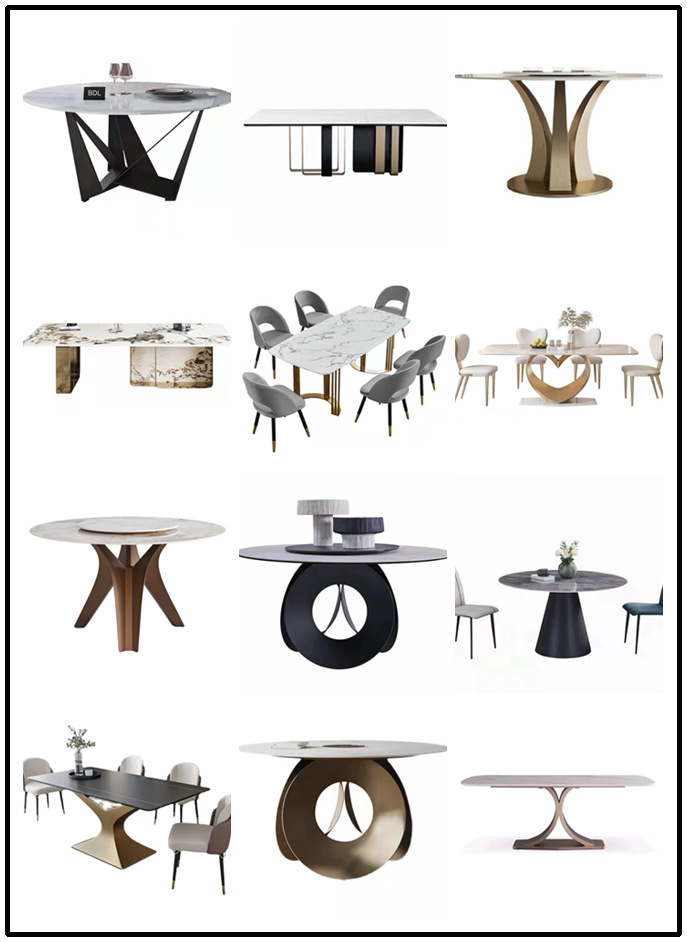
Modern interior design often emphasizes clean lines and minimalism. Therefore, the style of furniture feet you choose can significantly impact the overall aesthetic of your space.
Sleek and Minimalist Designs
For a contemporary look, consider furniture feet that are sleek and minimalist. Metal legs with a brushed finish or wooden legs with a simple, tapered design can complement modern furniture beautifully.
Bold and Statement-Making Feet
If you want to make a statement, opt for bold furniture feet that stand out. Chunky wooden feet or uniquely shaped metal legs can add character to your furniture and serve as a focal point in the room.
Mixing and Matching Styles
Don’t be afraid to mix and match different styles of furniture feet. Combining various materials and designs can create an eclectic look that reflects your personality and style. For example, pairing a vintage wooden table with modern metal legs can create a striking contrast that enhances the overall design.
Ensuring Proper Weight Distribution When Selecting Furniture Feet
Proper weight distribution is crucial for the stability and longevity of your furniture. When selecting furniture feet, consider the following factors:
Weight Capacity
Check the weight capacity of the furniture feet you are considering. Ensure they can support the weight of your furniture, especially for larger pieces like sofas and dining tables.
Foot Placement
The placement of the feet can also affect weight distribution. For larger furniture, consider using multiple feet to distribute weight evenly. This can prevent sagging and ensure stability.
Adjustable Feet for Customization
Using adjustable feet can help you achieve the perfect height and balance for your furniture. This is particularly useful for uneven floors, as you can customize the height of each foot to ensure stability.
Conclusion
Small furniture feet may seem like a minor detail, but they play a crucial role in the overall functionality and appearance of your furniture. By understanding the different types available and how to choose the right ones, you can enhance your living space significantly. Whether you opt for wooden, metal, or adjustable feet, the right choice will elevate your furniture and protect your floors.
How to purchase:Online B2B sourcing platform, China purchase, Chinese suppliers – LooperBuy
Frequently Asked Questions
1. What are the most durable materials for small furniture feet?
The most durable materials include hardwood, metal, and high-quality plastics. Each material has its advantages, with metal offering the highest strength and hardwood providing a classic aesthetic.
2. How do different furniture foot styles impact interior design?
Different styles can dramatically change the look of a room. For example, sleek metal feet can create a modern feel, while ornate wooden feet can add a touch of traditional elegance.
3. What are some common mistakes to avoid when installing furniture feet?
Common mistakes include not measuring properly, failing to level the furniture, and using the wrong type of foot for the furniture’s weight and style.
4. Can I install new furniture feet myself?
Yes, most furniture feet can be installed with basic tools. Follow the manufacturer’s instructions for best results.
5. Are adjustable furniture feet worth it?
Yes, adjustable feet are beneficial for uneven floors and can help achieve the desired height for your furniture.
HOT TAG: small furniture feet, furniture legs, adjustable furniture feet, wooden furniture feet, metal furniture feet, home decor, furniture design, DIY furniture, floor protection, furniture stability, sustainable materials, interior design tips, furniture maintenance, eco-friendly furniture, innovative furniture designs, weight distribution, modern interior design