In a world where children are constantly encouraged to engage in imaginative play, cleaning toys have emerged as a delightful way to combine fun with learning. These toys not only entertain but also teach children valuable life skills. In this article, we will explore the benefits of children’s cleaning set toys, the different types available, and how they can foster creativity and responsibility in young minds.
Table of Contents
The Importance of Pretend Play
Understanding Pretend Play
Pretend play, also known as imaginative play, is a crucial aspect of childhood development. It allows children to explore different roles, scenarios, and environments, helping them to understand the world around them. When children engage in pretend play with cleaning toys, they mimic adult behaviors, which can enhance their cognitive and social skills.
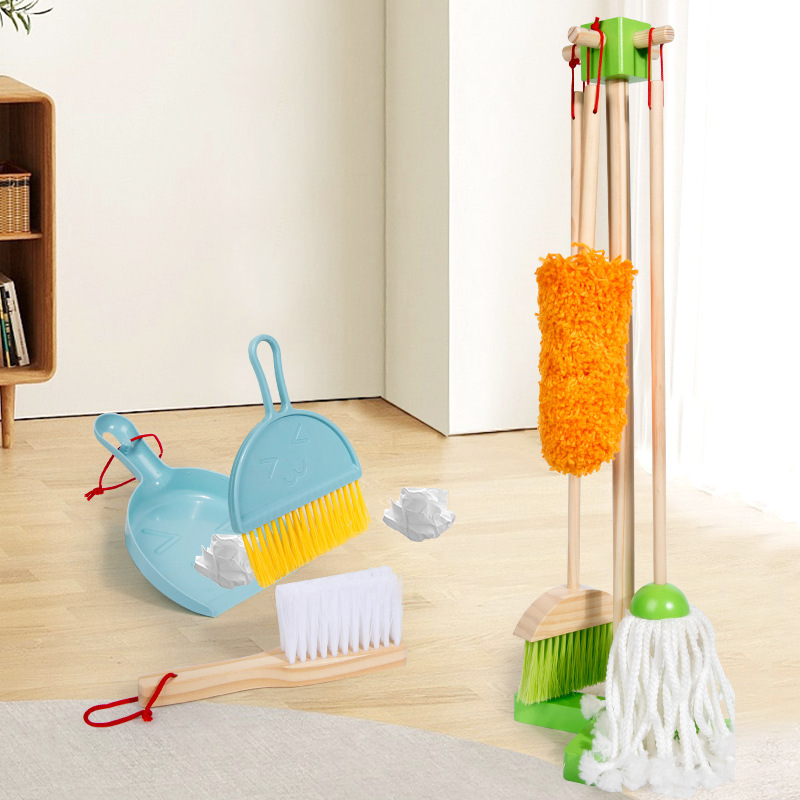
Benefits of Cleaning Toys
- Skill Development: Cleaning toys help children develop fine motor skills as they manipulate various tools. Activities like sweeping, mopping, and dusting require coordination and control, which are essential for their overall physical development.
- Responsibility and Independence: By playing with cleaning sets, children learn the importance of cleanliness and responsibility. They begin to understand that maintaining a tidy environment is a shared duty, fostering a sense of independence.
- Social Interaction: Cleaning toys often encourage cooperative play. Children can work together to “clean” their play area, promoting teamwork and communication skills.
- Imagination and Creativity: These toys stimulate creativity as children invent stories and scenarios around their cleaning activities. They might pretend to be a housekeeper, a parent, or even a superhero saving the day by cleaning up!
- Understanding of Household Chores: Engaging with cleaning toys helps children grasp the concept of household chores. They learn that cleaning is a necessary part of life, which can lead to a more organized and responsible attitude as they grow older.
- Boosting Self-Confidence: As children become more adept at using their cleaning toys, they gain confidence in their abilities. This newfound confidence can translate into other areas of their lives, such as social interactions and academic pursuits.
- Cognitive Development: Cleaning toys can enhance cognitive development. As children engage in pretend play, they learn to solve problems, make decisions, and think critically about their actions. This cognitive engagement is essential for their overall development.
- Promoting Emotional Intelligence: Playing with cleaning toys can help children develop emotional intelligence. They learn to express their feelings about cleanliness and organization, which can lead to better emotional regulation and understanding of their own emotions.
- Encouraging Healthy Habits: By incorporating cleaning into their play, children develop healthy habits early on. They learn the importance of hygiene and sanitation, which can lead to better health practices as they grow older.
- Reducing Anxiety and Stress: A clean and organized environment can significantly reduce stress and anxiety in children. When children learn to clean up after themselves, they create a sense of order that can help them focus better on other activities, such as homework or creative projects.
- Fostering Family Bonding: Cleaning toys can also serve as a tool for family bonding. When parents and children engage in cleaning activities together, it creates opportunities for quality time and shared experiences. This can strengthen family relationships and create lasting memories.
Types of Children’s Cleaning Set Toys
Basic Cleaning Sets
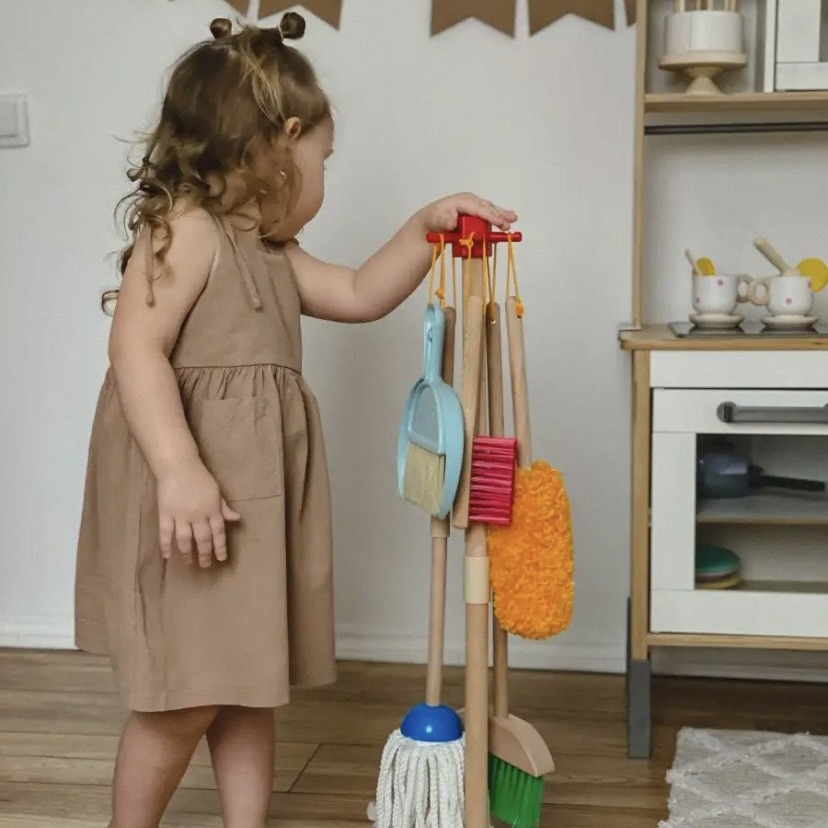
Basic cleaning sets typically include essential tools like a broom, mop, dustpan, and brush. These sets are perfect for younger children who are just beginning to explore the concept of cleaning. They are often made from durable materials that can withstand rough play.
Advanced Cleaning Sets
For older children, advanced cleaning sets may include additional items such as spray bottles, sponges, and even miniature vacuum cleaners. These sets often mimic real-life cleaning tools, providing a more immersive experience. Some advanced sets even come with realistic features, like working suction in toy vacuums.
Themed Cleaning Sets
Themed cleaning sets can add an extra layer of fun to playtime. For example, a “superhero cleaning set” might include capes and masks along with the cleaning tools, allowing children to engage in imaginative play while they “save the day” by cleaning up.
Eco-Friendly Cleaning Sets
With a growing emphasis on sustainability, many manufacturers are now offering eco-friendly cleaning sets made from recycled materials. These sets not only teach children about cleaning but also instill a sense of environmental responsibility. Eco-friendly toys often use non-toxic paints and materials, ensuring that they are safe for children and the planet.
Interactive Cleaning Sets
Some cleaning sets come with interactive features, such as sound effects or lights, to make the play experience more engaging. These toys can capture children’s attention and encourage them to play for longer periods, enhancing their learning experience.
Role-Playing Cleaning Sets
Role-playing cleaning sets allow children to immerse themselves in various scenarios. For instance, a set might include a toy cart with cleaning supplies, enabling children to pretend they are running a cleaning service or managing a hotel. This type of imaginative play can enhance their understanding of different professions and responsibilities.
Choosing the Right Cleaning Set
Age Appropriateness
When selecting a cleaning set, consider the age of the child. Younger children may benefit from simpler sets with fewer pieces, while older children might enjoy more complex sets that include a variety of tools. Always check the manufacturer’s age recommendations to ensure safety and suitability.
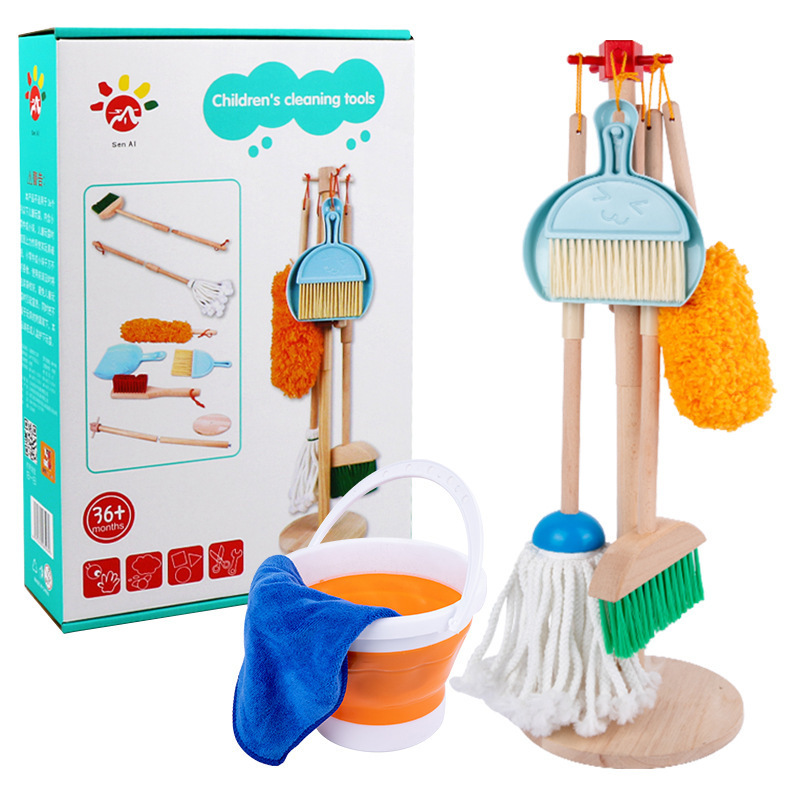
Safety Features
Always check for safety features when purchasing cleaning toys. Look for sets made from non-toxic materials and ensure that there are no small parts that could pose a choking hazard. Additionally, consider the sturdiness of the toys; they should be able to withstand rough handling.
Educational Value
Choose sets that promote learning and development. Some cleaning toys come with educational components, such as color recognition or counting games, which can enhance the play experience. Look for toys that encourage problem-solving and critical thinking.
Durability and Quality
Investing in high-quality cleaning toys can ensure that they last longer and withstand the rigors of play. Look for brands known for their durability and safety standards. Reading reviews and seeking recommendations can help you make informed choices.
Engaging Children in Cleaning Activities
Making Cleaning Fun
Incorporating cleaning toys into real-life cleaning activities can make chores more enjoyable for children. For instance, while you clean the house, encourage your child to use their cleaning set to “help” you. This not only makes cleaning a fun activity but also teaches them the value of contributing to household tasks.
Setting Up Cleaning Challenges
Create fun challenges using cleaning toys. For example, set a timer and see how quickly your child can “clean” a designated area. This adds an element of excitement and competition to the activity, making it more engaging. You can also reward them with small incentives for completing tasks.
Role-Playing Scenarios
Encourage children to create role-playing scenarios with their cleaning toys. They can pretend to be a hotel maid, a janitor, or even a character from their favorite show. This not only enhances their creativity but also helps them understand different roles in society. Role-playing can also help children develop empathy as they consider the perspectives of others.
Cleaning Games
Transform cleaning into a game. For example, you can create a scavenger hunt where children have to find and “clean” specific items around the house. This approach makes cleaning feel less like a chore and more like an adventure. You can also incorporate music to make the activity more enjoyable.
Establishing Routines
Establishing a routine for cleaning can help children understand the importance of tidiness. For example, you can set aside a specific time each day for cleaning up toys and other items. This consistency helps children develop good habits. You might also create a visual schedule to help them remember their cleaning tasks.
Integrating Cleaning Toys into Daily Life
Parents can effectively integrate cleaning toys into a child’s daily routine by setting specific times for play and cleaning. For instance, after playtime, children can be encouraged to use their cleaning toys to tidy up their space. This not only reinforces the habit of cleaning but also makes it a fun and engaging activity. Additionally, parents can model cleaning behaviors, demonstrating how to use the toys effectively while explaining the importance of cleanliness.
The Lasting Impact of Cleaning Toys
Building Lifelong Skills
The skills learned through play with cleaning toys can have a lasting impact on children. As they grow, the lessons of responsibility, teamwork, and organization will carry over into their daily lives. They will be more likely to take initiative in keeping their spaces tidy and helping out around the house.
Reducing Anxiety and Stress
A clean and organized environment can significantly reduce stress and anxiety in children. When children learn to clean up after themselves, they create a sense of order that can help them focus better on other activities, such as homework or creative projects. This sense of control can be particularly beneficial during times of change or uncertainty.
Encouraging Healthy Habits
By incorporating cleaning into their play, children develop healthy habits early on. They learn the importance of hygiene and sanitation, which can lead to better health practices as they grow older. Teaching children about the importance of cleanliness can also help prevent the spread of germs and illnesses.
Fostering Independence
As children become more adept at using their cleaning toys, they gain confidence in their abilities. This sense of independence is crucial for their self-esteem and can encourage them to take on more responsibilities in other areas of their lives. Encouraging children to take ownership of their cleaning tasks can also foster a sense of pride in their accomplishments.
Enhancing Cognitive Development
Cleaning toys can also enhance cognitive development. As children engage in pretend play, they learn to solve problems, make decisions, and think critically about their actions. This cognitive engagement is essential for their overall development. For example, they might need to figure out the best way to organize their cleaning supplies or decide which tool to use for a specific task.
Promoting Emotional Intelligence
Playing with cleaning toys can help children develop emotional intelligence. They learn to express their feelings about cleanliness and organization, which can lead to better emotional regulation and understanding of their own emotions. Engaging in role-play scenarios can also help children practice empathy and understand the feelings of others.
Encouraging Family Bonding
Cleaning toys can also serve as a tool for family bonding. When parents and children engage in cleaning activities together, it creates opportunities for quality time and shared experiences. This can strengthen family relationships and create lasting memories.
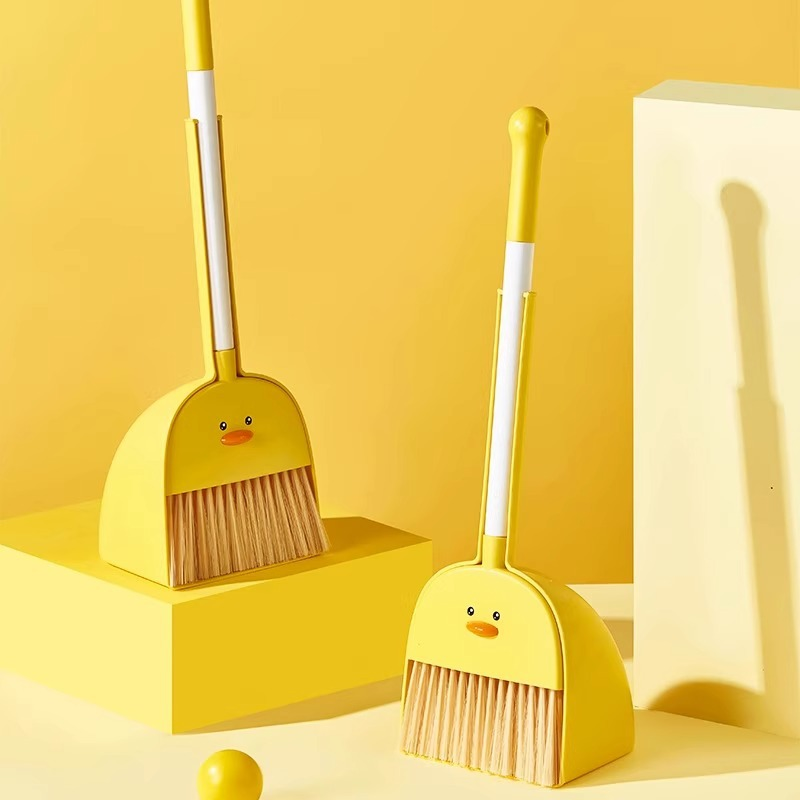
Developing a Sense of Community
As children learn about cleaning and responsibility, they also develop a sense of community. They begin to understand that cleanliness is not just a personal responsibility but a communal one. This understanding can lead to greater respect for shared spaces, whether at home, school, or in public areas.
Conclusion
Children’s cleaning set toys are more than just playthings; they are tools for learning and development. By engaging in pretend play with these toys, children can develop essential life skills, foster creativity, and learn the importance of responsibility. As parents and caregivers, we can enhance this experience by incorporating cleaning activities into playtime, making chores fun and educational.
How to purchase:Online B2B sourcing platform, China purchase, Chinese suppliers – LooperBuy
Frequently Asked Questions
1. What age is appropriate for children’s cleaning set toys?
Children as young as 2 years old can start using basic cleaning sets, while more complex sets are suitable for children aged 4 and up.
2. Are cleaning toys safe for children?
Yes, most cleaning toys are designed with safety in mind. Always check for non-toxic materials and ensure there are no small parts that could be a choking hazard.
3. How can I encourage my child to clean?
Incorporate cleaning toys into real-life cleaning activities and create fun challenges to make cleaning enjoyable.
4. Do cleaning toys help with skill development?
Absolutely! Cleaning toys help develop fine motor skills, coordination, and a sense of responsibility.
5. Can cleaning toys promote social skills?
Yes, cleaning toys often encourage cooperative play, helping children develop teamwork and communication skills.
HOT TAG: children’s cleaning toys, pretend play, skill development, responsibility, imaginative play, educational toys, cleaning activities, toddler toys, role-playing, fun learning, eco-friendly toys, social skills, fine motor skills, independence, healthy habits, cognitive development, emotional intelligence, cleaning routines, interactive play, family bonding, child development, community responsibility, engaging activities, creative scenarios, positive reinforcement, teamwork skills, household chores, early education, playful learning, child psychology, nurturing independence.