In the ever-evolving landscape of e-commerce, the dropshipping method has emerged as a popular business model that allows entrepreneurs to sell products without the burden of inventory management. This article delves into the intricacies of the dropshipping method, exploring its advantages, challenges, and strategies for success.
Table of Contents
Understanding Dropshipping
What is Dropshipping?
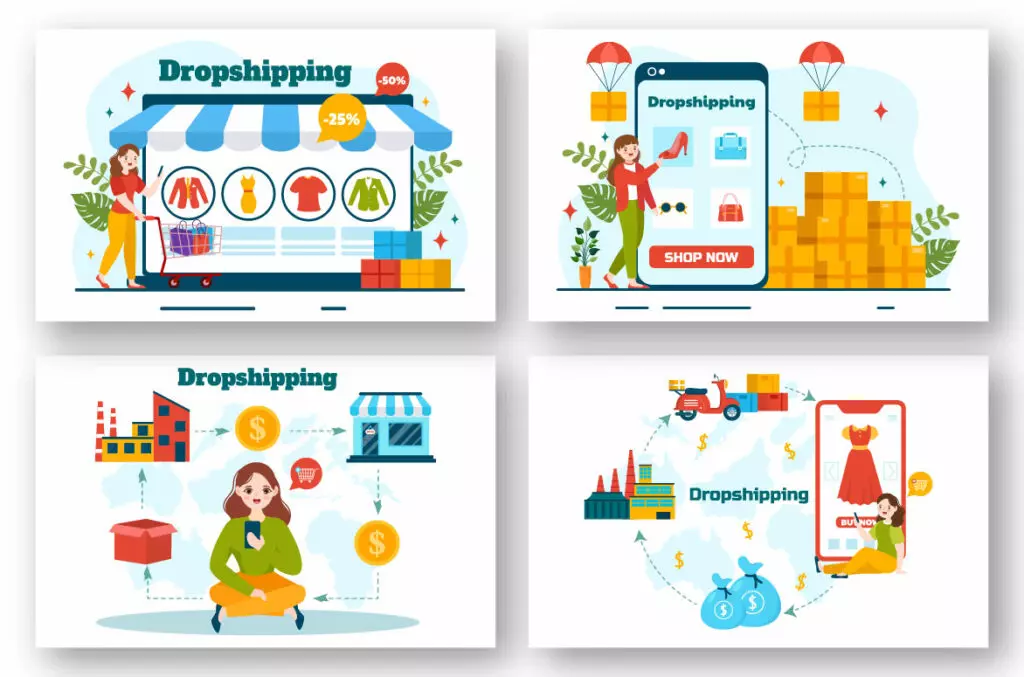
Dropshipping is a retail fulfillment method where a store does not keep the products it sells in stock. Instead, when a store sells a product, it purchases the item from a third party and has it shipped directly to the customer. This means that the seller does not have to handle the product directly, which significantly reduces overhead costs.

How Does Dropshipping Work?
The dropshipping process is relatively straightforward:
- Customer Places an Order: A customer visits an online store and places an order for a product.
- Order Forwarded to Supplier: The store owner receives the order and forwards the details to a dropshipping supplier.
- Supplier Ships the Product: The supplier then ships the product directly to the customer, often with the retailer’s branding.
This model allows entrepreneurs to focus on marketing and customer service rather than inventory management and shipping logistics.
Advantages of Dropshipping
Low Startup Costs
One of the most appealing aspects of the dropshipping method is the low barrier to entry. Entrepreneurs can start an online store without the need for significant capital investment. There’s no need to purchase inventory upfront, which means that you can launch your business with minimal financial risk. This accessibility has made dropshipping an attractive option for many aspiring business owners.
Wide Product Selection
Dropshipping allows you to offer a vast array of products without the need to stock them. You can easily add or remove products from your store based on market trends and customer preferences, giving you the flexibility to adapt to changing demands. This adaptability is crucial in a fast-paced market where consumer interests can shift rapidly. By leveraging dropshipping, you can test new products without the risk of unsold inventory.
Location Independence
Since dropshipping is primarily an online business model, it allows for location independence. You can run your business from anywhere in the world, as long as you have an internet connection. This flexibility is particularly appealing to digital nomads and those seeking a better work-life balance. The ability to work from home or while traveling can enhance your quality of life and productivity.
Focus on Marketing and Customer Service
With the operational aspects of inventory management and shipping handled by suppliers, dropshippers can concentrate on marketing their products and providing excellent customer service. This focus can lead to better customer satisfaction and increased sales. By investing time in building relationships with customers and understanding their needs, you can create a loyal customer base that drives repeat business.
Challenges of Dropshipping
Low Profit Margins
While dropshipping offers many advantages, it also comes with challenges. One of the most significant drawbacks is the low profit margins. Since you are purchasing products from suppliers at a wholesale price and selling them at retail, the profit margins can be slim, especially in competitive markets. To counteract this, it’s essential to find a niche where you can differentiate your offerings and justify higher prices. Understanding your cost structure and pricing strategy is vital to maintaining profitability.
Inventory Issues
Since you do not control inventory, there can be issues with stock availability. If a supplier runs out of stock, it can lead to delays in fulfilling customer orders, which can harm your business’s reputation. It’s crucial to maintain good communication with your suppliers to mitigate these risks. Implementing inventory management tools can also help you keep track of stock levels and avoid selling out-of-stock items. Regularly checking supplier inventories can help you stay ahead of potential issues.
Shipping Complexities
Managing shipping can be complicated, especially if you work with multiple suppliers. Different suppliers may have different shipping times and costs, which can lead to confusion for customers. It’s essential to clearly communicate shipping policies and timelines to avoid dissatisfaction. Offering multiple shipping options can also enhance customer experience, allowing them to choose based on their preferences. Additionally, consider using fulfillment services that can streamline shipping processes and improve delivery times.
Limited Control Over Branding
When you dropship, you often have limited control over the branding and packaging of the products. This can make it challenging to create a unique brand identity, as customers may receive generic packaging that does not reflect your brand. To address this, consider working with suppliers who offer customizable packaging options or explore private labeling opportunities. Building a strong brand presence can help differentiate your business in a crowded market.
Strategies for Success in Dropshipping
Choose the Right Niche
Selecting a profitable niche is crucial for success in dropshipping. Research market trends and consumer demands to identify a niche that has a good balance of competition and demand. Consider factors such as product pricing, target audience, and potential profit margins. Tools like Google Trends and keyword research can help you gauge interest in specific products or categories. A well-defined niche can help you target your marketing efforts more effectively.
Build Strong Supplier Relationships
Establishing strong relationships with reliable suppliers is essential. Look for suppliers who offer quality products, good communication, and efficient shipping. Building a solid partnership can help ensure that you receive timely updates on inventory and shipping, which is vital for maintaining customer satisfaction. Regularly check in with your suppliers to discuss performance and address any issues that may arise. A good supplier relationship can also lead to better pricing and exclusive deals.
Optimize Your Online Store
Your online store is your primary sales channel, so it’s essential to optimize it for conversions. Use high-quality images, detailed product descriptions, and user-friendly navigation to enhance the shopping experience. Additionally, consider implementing SEO strategies to improve your store’s visibility in search engines. A well-optimized store can attract more organic traffic, reducing your reliance on paid advertising. Incorporating customer reviews and testimonials can also build trust and encourage purchases.
Focus on Marketing
Effective marketing is key to driving traffic to your dropshipping store. Utilize social media, email marketing, and content marketing to reach your target audience. Consider running paid advertising campaigns to boost visibility and attract potential customers. Collaborating with influencers in your niche can also help you reach a broader audience and build credibility. Engaging with your audience through social media can foster a community around your brand, encouraging loyalty and repeat business.
Monitor Performance and Adapt
Regularly analyze your store’s performance to identify areas for improvement. Use analytics tools to track sales, customer behavior, and marketing effectiveness. Be prepared to adapt your strategies based on data insights to optimize your business for success. Continuous improvement is vital in the competitive e-commerce landscape, and staying informed about industry trends can give you an edge. Setting specific KPIs (Key Performance Indicators) can help you measure success and make informed decisions.
Automate Dropshipping Tasks
To improve efficiency, consider automating various aspects of your dropshipping business. Tools like Oberlo and Spocket can help streamline order processing and inventory management. Automating tasks such as email marketing and customer follow-ups can save you time and allow you to focus on strategic growth initiatives. Implementing chatbots for customer service can also enhance the customer experience by providing instant responses to inquiries.
Legal Considerations
When starting a dropshipping business, it’s essential to be aware of legal considerations. Ensure that you comply with local laws regarding e-commerce, consumer protection, and taxation. Additionally, familiarize yourself with the terms and conditions of your suppliers to avoid potential legal issues. Consulting with a legal professional can provide valuable guidance and help you navigate the complexities of running an online business. Understanding international regulations is also crucial if you plan to sell globally.
Customer Service Management
Effective customer service is vital for the success of your dropshipping business. Since you are not handling the products directly, it’s essential to provide excellent support to address any issues that may arise. Implementing a robust customer service strategy can help you manage inquiries, returns, and complaints efficiently. Consider using customer relationship management (CRM) tools to track interactions and improve response times. Training your team to handle customer issues with empathy and professionalism can enhance customer satisfaction and loyalty.
Leveraging Data Analytics
In the dropshipping method, data analytics plays a crucial role in understanding customer behavior and optimizing business operations. By analyzing data from your online store, you can identify trends, track sales performance, and understand which products are most popular. This information can help you make informed decisions about inventory, marketing strategies, and customer engagement. Utilizing tools like Google Analytics can provide insights into website traffic, conversion rates, and customer demographics, allowing you to tailor your approach for better results.
Building a Brand Identity
Creating a strong brand identity is essential for standing out in the competitive dropshipping market. Your brand should reflect your values, mission, and the unique selling proposition of your products. Invest time in developing a compelling brand story, logo, and visual elements that resonate with your target audience. Consistency in branding across your website, social media, and marketing materials can help build trust and recognition among customers. A well-defined brand identity can also enhance customer loyalty and encourage repeat purchases.
Engaging with Your Audience
Engagement is key to building a loyal customer base in the dropshipping method. Utilize social media platforms to connect with your audience, share valuable content, and promote your products. Encourage customer interaction by responding to comments, hosting giveaways, and creating polls or surveys. Engaging with your audience not only fosters a sense of community but also provides valuable feedback that can inform your business decisions. Consider creating a blog or video content that addresses customer pain points and showcases your expertise in your niche.
Exploring New Sales Channels
While your online store may be your primary sales channel, exploring additional platforms can help expand your reach. Consider selling on marketplaces like Amazon, eBay, or Etsy, where you can tap into existing customer bases. Social media platforms like Facebook and Instagram also offer shopping features that allow you to sell directly through your profiles. Diversifying your sales channels can increase visibility and drive more traffic to your dropshipping business.
Utilizing Email Marketing
Email marketing remains one of the most effective ways to engage with customers and drive sales. Building an email list allows you to communicate directly with your audience, share promotions, and provide valuable content. Consider offering incentives, such as discounts or exclusive access to new products, to encourage sign-ups. Segmenting your email list based on customer behavior can help you tailor your messages for better engagement. Regular newsletters can keep your audience informed about new arrivals, sales, and other updates, fostering a sense of connection with your brand.
Implementing Loyalty Programs
Loyalty programs can be an effective way to encourage repeat purchases and build customer loyalty. Consider offering rewards for repeat purchases, referrals, or social media engagement. A well-structured loyalty program can incentivize customers to return to your store, increasing their lifetime value. Additionally, promoting your loyalty program through email marketing and social media can help raise awareness and drive participation.
Staying Informed About Industry Trends
The e-commerce landscape is constantly changing, and staying informed about industry trends is crucial for success in the dropshipping method. Subscribe to industry newsletters, follow relevant blogs, and participate in online forums to keep up with the latest developments. Understanding emerging trends can help you adapt your business strategies and stay ahead of the competition. Additionally, attending industry conferences and networking events can provide valuable insights and opportunities for collaboration.
Conclusion
The dropshipping method presents a unique opportunity for aspiring entrepreneurs to enter the e-commerce space with minimal investment. While it comes with its challenges, understanding the dropshipping method and implementing effective strategies can lead to a successful online business. By focusing on niche selection, supplier relationships, and marketing, you can navigate the complexities of dropshipping and build a profitable venture. With the right approach, dropshipping can be a sustainable and rewarding business model that allows you to achieve your entrepreneurial dreams.
Unlock your entrepreneurial potential with the dropshipping method and discover a world of endless product possibilities at unbeatable prices—start your journey today at LooperBuy.
Frequently Asked Questions
1. What is the best platform for starting a dropshipping business?
The best platform depends on your needs, but popular options offer user-friendly interfaces and integrations with dropshipping suppliers.
2. How do I find reliable dropshipping suppliers?
It’s essential to research and vet suppliers to ensure they provide quality products and reliable shipping.
3. Is dropshipping legal?
Yes, dropshipping is a legal business model as long as you comply with applicable laws and regulations in your region and maintain good relationships with your suppliers.
4. Can I dropship internationally?
Yes, many dropshipping suppliers offer international shipping. However, you should be aware of shipping costs, delivery times, and customs regulations in the countries you plan to sell to.
5. What are the common mistakes to avoid in dropshipping?
Common mistakes include not researching your niche, failing to communicate with suppliers, neglecting customer service, and not optimizing your online store for conversions.
HOT TAG: dropshipping method, e-commerce strategies, online business tips, low startup costs, supplier management, marketing techniques, niche selection, inventory control, customer service excellence, profit margin optimization, automation tools, legal compliance, international dropshipping, branding strategies, performance analytics, audience engagement, social media marketing, email campaigns, loyalty programs, industry insights, sales channel diversification.