The global shipping market is a dynamic and complex ecosystem that plays a crucial role in international trade. As we look towards 2025, various factors are shaping the landscape of this industry, from geopolitical tensions to technological advancements. This article delves into the current trends, challenges, and future outlook of the global shipping market, providing a comprehensive overview for stakeholders and enthusiasts alike.
Table of Contents
Understanding the Global Shipping Market
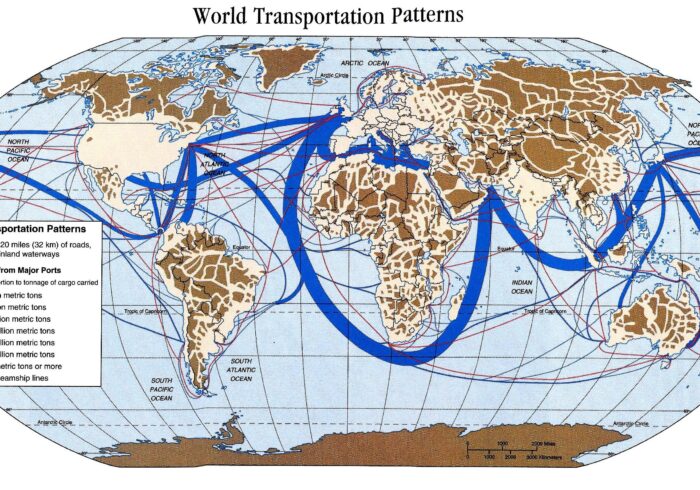
The global shipping market is responsible for transporting over 80% of the world’s goods. It encompasses various sectors, including container shipping, bulk shipping, and tanker shipping. Each of these sectors faces unique challenges and opportunities, influenced by global economic conditions, trade policies, and environmental regulations.
Key Components of the Shipping Market
Container Shipping
Container shipping is the backbone of global trade, facilitating the movement of goods across vast distances. The sector has seen significant growth over the past few decades, driven by the rise of e-commerce and globalization. However, it also faces challenges such as overcapacity, fluctuating freight rates, and environmental concerns.
The container shipping industry has evolved with the introduction of larger vessels, known as mega-ships, which can carry thousands of containers at once. These ships have increased efficiency but have also contributed to port congestion and the need for enhanced infrastructure. As ports adapt to accommodate these larger vessels, investments in technology and facilities are essential to maintain competitiveness.

Bulk Shipping
Bulk shipping involves the transportation of large quantities of raw materials, such as coal, grain, and minerals. This sector is heavily influenced by demand from emerging markets, particularly in Asia. As economies grow, the demand for raw materials increases, impacting shipping rates and routes.
The bulk shipping market is also subject to fluctuations based on seasonal demand and global economic conditions. For instance, during harvest seasons, the demand for grain transportation surges, leading to increased freight rates. Conversely, economic downturns can lead to reduced demand for bulk commodities, affecting shipping volumes.
Tanker Shipping
Tanker shipping is essential for transporting liquid cargoes, including oil and chemicals. The sector is currently experiencing volatility due to geopolitical tensions, sanctions, and shifts in trade flows. The demand for LNG (liquefied natural gas) shipping is expected to grow as countries seek alternative energy sources.
The tanker market is particularly sensitive to geopolitical events, such as conflicts in oil-producing regions. Sanctions on countries like Iran and Russia have led to rerouted shipping lanes and increased costs. Additionally, the transition to cleaner energy sources is reshaping the tanker market, with a growing emphasis on transporting LNG and other alternative fuels.
Current Trends in the Global Shipping Market
As we approach 2025, several trends are emerging that will shape the future of the global shipping market.
Technological Advancements
The shipping industry is increasingly adopting technology to enhance efficiency and reduce costs. Innovations such as blockchain for supply chain transparency, AI for predictive analytics, and automation in ports are transforming operations. These technologies not only streamline processes but also help in managing environmental impacts.
For example, blockchain technology is being utilized to improve transparency in shipping transactions, allowing for real-time tracking of cargo and reducing the risk of fraud. AI is being employed to optimize routing and scheduling, minimizing delays and fuel consumption. Automation in ports, including the use of autonomous cranes and vehicles, is enhancing operational efficiency and reducing labor costs.
Moreover, the integration of the Internet of Things (IoT) is revolutionizing the shipping industry. IoT devices can monitor the condition of cargo in real-time, providing valuable data on temperature, humidity, and location. This information allows shipping companies to make informed decisions, ensuring the integrity of sensitive cargo and improving overall service quality.
Sustainability and Environmental Regulations
With growing concerns about climate change, the shipping industry is under pressure to reduce its carbon footprint. Regulatory bodies are implementing stricter emissions standards, prompting companies to invest in cleaner technologies and alternative fuels. The International Maritime Organization (IMO) has set ambitious targets for reducing greenhouse gas emissions, which will significantly impact shipping operations.
Shipping companies are exploring various strategies to meet these sustainability goals, including investing in energy-efficient vessels, utilizing alternative fuels such as hydrogen and biofuels, and implementing waste reduction practices. The shift towards sustainability is not only a regulatory requirement but also a competitive advantage, as consumers increasingly favor environmentally responsible companies.
In addition to regulatory compliance, many shipping companies are adopting voluntary sustainability initiatives. These include participating in global frameworks such as the Science Based Targets initiative (SBTi) and committing to achieving net-zero emissions by 2050. Such commitments not only enhance a company’s reputation but also attract environmentally conscious investors.
Geopolitical Influences
Geopolitical tensions, such as trade wars and conflicts, are reshaping global trade routes. The ongoing situation in the Red Sea and sanctions on countries like Russia are causing shifts in shipping patterns. Companies must remain agile and adapt to these changes to maintain competitiveness.
The impact of geopolitical events on shipping can be profound. For instance, the closure of key shipping lanes or the imposition of tariffs can lead to increased shipping costs and longer transit times. Companies must develop contingency plans to navigate these uncertainties, including diversifying supply chains and exploring alternative routes.
Furthermore, the rise of protectionism in various countries is prompting shipping companies to rethink their strategies. As nations prioritize domestic industries, shipping firms may need to adjust their operations to comply with local regulations and tariffs, which can complicate international trade.
Economic Factors
The global economy is experiencing fluctuations that directly affect shipping demand. Economic slowdowns in major markets can lead to reduced trade volumes, impacting freight rates. Conversely, economic recovery can spur demand for shipping services, leading to increased capacity and investment in the sector.
The COVID-19 pandemic highlighted the vulnerability of the shipping industry to economic shocks. As economies recover, the demand for shipping services is expected to rebound, but companies must remain vigilant to potential disruptions. Factors such as inflation, labor shortages, and supply chain bottlenecks can all impact shipping operations.
Additionally, the rise of emerging markets presents both opportunities and challenges for the shipping industry. As countries like India and Brazil continue to develop, their demand for imported goods will increase, driving growth in shipping volumes. However, these markets also present unique logistical challenges, including inadequate infrastructure and regulatory complexities.
Challenges Facing the Global Shipping Market
Despite the opportunities, the global shipping market faces several challenges that could hinder growth.
Overcapacity
One of the most pressing issues in the shipping industry is overcapacity. As new vessels are launched, the supply of shipping capacity often outstrips demand, leading to lower freight rates. This situation can create financial strain on shipping companies, forcing them to implement cost-cutting measures.
Overcapacity can also lead to increased competition among shipping lines, resulting in price wars that further erode profit margins. Companies must carefully manage their fleets and consider strategies such as slow steaming (operating vessels at reduced speeds) to mitigate the impact of overcapacity.
Moreover, the trend towards consolidation in the shipping industry, with larger companies acquiring smaller ones, can exacerbate overcapacity issues. While consolidation can lead to increased efficiency, it can also result in fewer players in the market, reducing competition and potentially leading to higher prices for consumers.
Rising Costs
The cost of shipping is influenced by various factors, including fuel prices, labor costs, and port fees. Recent increases in fuel prices have significantly impacted operational costs, prompting companies to pass these costs onto consumers. Additionally, labor shortages in the shipping industry are driving up wages, further increasing expenses.
The rising costs of compliance with environmental regulations also pose a challenge for shipping companies. Investments in new technologies and processes to meet these standards can strain financial resources, particularly for smaller operators.
Furthermore, the ongoing global supply chain disruptions have led to increased shipping costs. Delays at ports, container shortages, and increased demand for shipping services have all contributed to rising freight rates. Companies must navigate these challenges while maintaining profitability.
Regulatory Compliance
Compliance with environmental regulations is becoming increasingly complex and costly. Shipping companies must invest in new technologies and processes to meet these standards, which can strain financial resources. Failure to comply can result in hefty fines and damage to a company’s reputation.
The regulatory landscape is constantly evolving, with new standards being introduced to address environmental concerns. Companies must stay informed about these changes and be proactive in adapting their operations to ensure compliance.
Additionally, the implementation of new regulations can create uncertainty in the market. Companies may struggle to predict how changes will impact their operations and profitability, leading to cautious investment strategies.
The Future Outlook for the Global Shipping Market
Looking ahead, the global shipping market is poised for both challenges and opportunities. The following factors will play a crucial role in shaping its future.
Growth in E-commerce
The rise of e-commerce is expected to continue driving demand for shipping services. As consumers increasingly turn to online shopping, the need for efficient logistics and delivery solutions will grow. Shipping companies that can adapt to this trend will likely see significant growth.
E-commerce has transformed consumer expectations regarding delivery speed and reliability. Companies must invest in logistics infrastructure and technology to meet these demands, including last-mile delivery solutions and real-time tracking capabilities.
Moreover, the growth of e-commerce is leading to changes in shipping practices. For instance, the demand for smaller, more frequent shipments is increasing, prompting shipping companies to develop flexible delivery options. This shift requires a reevaluation of traditional shipping models and the adoption of innovative solutions.
Investment in Infrastructure
Investment in port infrastructure and logistics networks is essential for accommodating future growth. Governments and private entities must collaborate to enhance port facilities, improve connectivity, and streamline customs processes. This investment will be crucial for maintaining competitiveness in the global shipping market.
As global trade volumes increase, ports must adapt to handle larger vessels and higher cargo volumes. Upgrading infrastructure, such as expanding berths and improving cargo handling systems, will be vital for ensuring efficient operations.
Additionally, investment in digital infrastructure is becoming increasingly important. The integration of technology in logistics and supply chain management can enhance efficiency and reduce costs, making it essential for companies to invest in digital solutions.
Emphasis on Sustainability
Sustainability will remain a key focus for the shipping industry. Companies that prioritize environmentally friendly practices and invest in green technologies will be better positioned to thrive in a market that increasingly values sustainability. This shift will also open up new business opportunities in the realm of eco-friendly shipping solutions.
The transition to sustainable shipping practices will require collaboration among industry stakeholders, including shipping lines, port authorities, and regulatory bodies. By working together, the industry can develop innovative solutions to reduce its environmental impact.
Furthermore, consumer demand for sustainable practices is driving change in the shipping industry. Companies that can demonstrate their commitment to sustainability will likely gain a competitive edge in the market.
Conclusion
The global shipping market is at a crossroads, facing a myriad of challenges and opportunities as it moves towards 2025. Stakeholders must remain vigilant and adaptable to navigate the complexities of this dynamic industry. By embracing technological advancements, prioritizing sustainability, and responding to geopolitical shifts, the shipping sector can position itself for a successful future.
As the global shipping market evolves, ensuring timely and efficient delivery of your purchases has never been more crucial—explore the best deals and streamline your shopping experience at LooperBuy.
Related Questions & Answers
· What are the key drivers of growth in the global shipping market?
The key drivers include technological advancements, the rise of e-commerce, geopolitical influences, and sustainability initiatives.
· How are geopolitical risks impacting global shipping routes and costs?
Geopolitical risks can lead to rerouted shipping lanes, increased costs due to tariffs, and longer transit times, affecting overall shipping efficiency.
· What innovative technologies are being adopted in the shipping industry to improve efficiency and sustainability?
Innovative technologies include blockchain for transparency, AI for predictive analytics, and automation in ports to enhance operational efficiency.
· How will emerging technologies reshape maritime logistics by 2025?
Emerging technologies such as IoT, AI, and blockchain will enhance tracking, optimize routes, and improve supply chain transparency, leading to more efficient logistics.
· What are the most effective strategies for shipping companies to achieve carbon neutrality?
Effective strategies include investing in energy-efficient vessels, utilizing alternative fuels, and implementing waste reduction practices throughout operations.
· How can smaller shipping businesses compete with larger corporations in the current market?
Smaller shipping businesses can compete by focusing on niche markets, providing personalized services, and leveraging technology to enhance efficiency and reduce costs.
Hot Tags: Global Shipping Market, Container Shipping Trends, Tanker Shipping Outlook, Shipping Industry Challenges, E-commerce Logistics, Sustainable Shipping Solutions, Geopolitical Shipping Factors, Shipping Technology Innovations, Future of Freight Transport