Muslim women’s clothing is a fascinating blend of tradition, cultural significance, and modern fashion trends. This article explores how these garments embody modesty while allowing for personal expression through style and accessories. We will delve into the various aspects of Muslim women’s clothing, including its cultural roots, the evolution of fashion trends, and the importance of modesty in contemporary society.
Table of Contents
The Cultural Significance of Muslim Women’s Clothing
Historical Context
The clothing worn by Muslim women has deep historical roots, often influenced by the regions they come from. Traditionally, garments such as the hijab, abaya, and jilbab were designed to promote modesty and reflect cultural identity. These pieces are not merely clothing; they are symbols of faith and cultural heritage. The styles and fabrics used can vary significantly from one country to another, showcasing the rich diversity within the Muslim community. For instance, in the Middle East, the abaya is often made from flowing fabrics that allow for ease of movement, while in South Asia, colorful and intricately embroidered garments like the salwar kameez are prevalent. This diversity highlights how clothing can serve as a canvas for cultural expression, with each piece telling a story about the wearer’s background and beliefs.
Modesty as a Core Principle
At the heart of Muslim women’s clothing is the principle of modesty, which is emphasized in Islamic teachings. Modesty is not just about covering the body; it also encompasses behavior and attitude. Clothing serves as a means to express this principle, allowing women to feel empowered while adhering to their beliefs. The choice of clothing can reflect a woman’s personal interpretation of modesty, influenced by her cultural background and personal style. For many, wearing modest clothing is a conscious choice that aligns with their values, providing a sense of comfort and security. This empowerment through choice is crucial, as it allows women to navigate their identities in a world that often imposes different standards of beauty and fashion.
Cultural Identity and Expression
For many Muslim women, clothing is a way to express their cultural identity. The use of traditional fabrics, patterns, and styles can signify a connection to one’s heritage. In multicultural societies, this expression can foster a sense of belonging and pride. Women often blend traditional garments with modern fashion elements, creating unique styles that honor their roots while embracing contemporary trends. This fusion not only showcases individual creativity but also promotes cultural dialogue, as it encourages others to appreciate and understand the significance of these garments. By wearing clothing that reflects their heritage, Muslim women can challenge stereotypes and promote a more nuanced understanding of their culture.
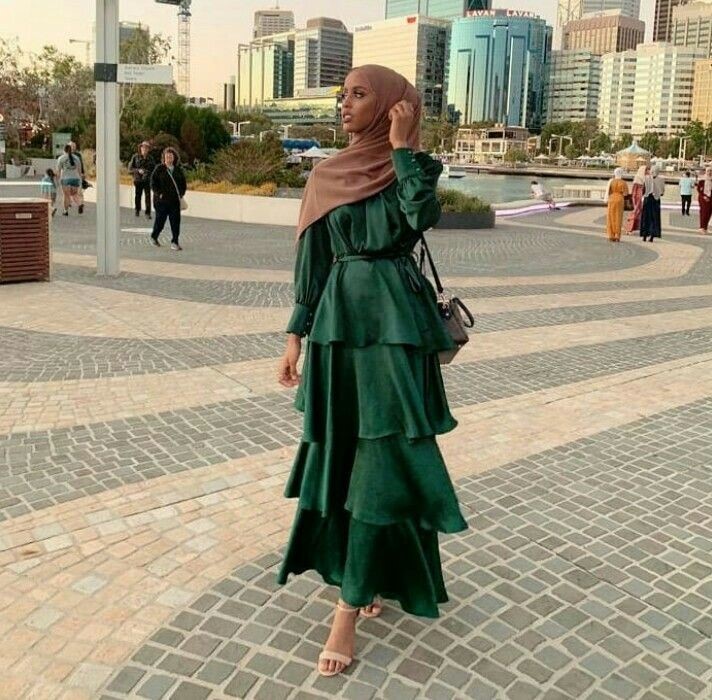
Fashion Trends in Muslim Women’s Clothing
The Rise of Modest Fashion
In recent years, there has been a significant rise in the popularity of modest fashion. Designers and brands are increasingly recognizing the demand for stylish yet modest clothing. This trend has led to the creation of fashionable abayas, hijabs, and other garments that incorporate modern aesthetics while maintaining the essence of modesty. The fashion industry is now more inclusive, offering a wide range of options for Muslim women. This shift is not just about clothing; it represents a broader movement towards inclusivity and diversity in fashion, where all women can find styles that resonate with their values and preferences.
Influences from Global Fashion
Muslim women’s clothing is also influenced by global fashion trends. Many designers draw inspiration from international styles, incorporating elements such as bold colors, unique cuts, and innovative fabrics. This fusion of styles allows Muslim women to express their individuality while adhering to their cultural values. Fashion shows and social media platforms have played a crucial role in showcasing these trends, making modest fashion more accessible and visible. The collaboration between Muslim designers and mainstream fashion houses has further blurred the lines, creating a vibrant marketplace where modesty and modernity coexist harmoniously.
Accessories and Styling
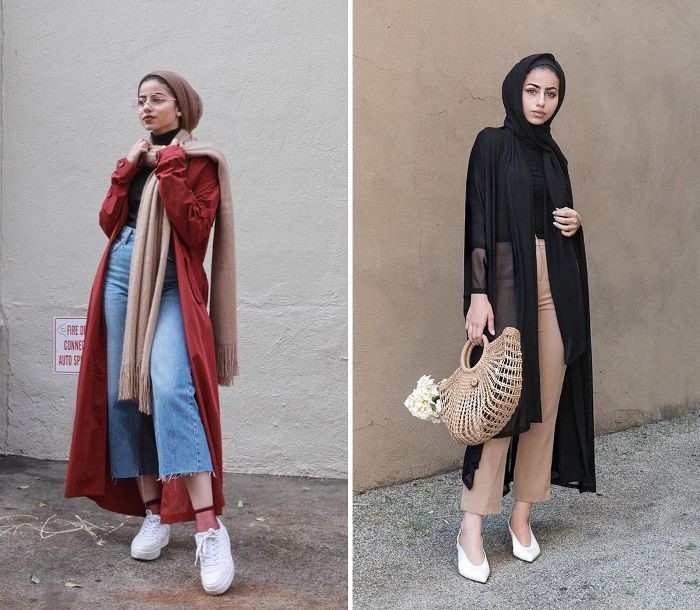
Accessories play a vital role in enhancing Muslim women’s outfits. From stylish hijabs to elegant jewelry, these elements can transform a simple outfit into a fashion statement. Women often experiment with different styles of hijabs, using various fabrics and colors to complement their clothing. Additionally, accessories such as belts, bags, and shoes can add a personal touch, allowing for creativity and self-expression. The choice of accessories can reflect personal style, mood, and even cultural significance, making them an essential part of the overall look. This emphasis on accessories highlights the importance of individuality in fashion, as women curate their outfits to reflect their unique personalities.
The Importance of Modesty in Contemporary Society
Empowerment Through Choice
For many Muslim women, choosing to wear modest clothing is an empowering decision. It allows them to take control of their identity and how they present themselves to the world. In a society that often emphasizes revealing clothing, opting for modest attire can be a powerful statement of self-acceptance and confidence. This empowerment is further amplified by the growing acceptance of modest fashion in mainstream culture. As more women embrace modesty as a personal choice rather than an obligation, the narrative around Muslim women’s clothing is shifting, allowing for a broader understanding of what it means to be fashionable.
Challenging Stereotypes
Muslim women’s clothing often challenges stereotypes and misconceptions about Islam. By showcasing stylish and modern interpretations of modest attire, women can break down barriers and promote understanding. The visibility of Muslim women in fashion helps to dispel myths and encourages dialogue about cultural diversity and acceptance. This representation is crucial in fostering a more inclusive society, where differences are celebrated rather than stigmatized. As Muslim women continue to assert their presence in the fashion world, they contribute to a richer, more diverse narrative that challenges preconceived notions and promotes empathy.
The Role of Social Media
Social media has become a significant platform for Muslim women to share their fashion choices and connect with others. Influencers and bloggers showcase their outfits, providing inspiration and tips for styling modest clothing. This online presence has created a community where women can celebrate their fashion choices and support one another in their journeys of self-expression. The power of social media lies in its ability to amplify voices that have traditionally been marginalized, allowing Muslim women to carve out their space in the fashion industry. Through hashtags and online campaigns, they can connect with like-minded individuals, fostering a sense of solidarity and empowerment.
Conclusion
Muslim women’s clothing is a rich tapestry of cultural significance, modesty, and modern fashion trends. It reflects a deep connection to heritage while allowing for personal expression and empowerment. As the fashion industry continues to evolve, the representation of Muslim women in this space is becoming increasingly prominent, challenging stereotypes and promoting understanding. Through their clothing choices, Muslim women are not only embracing their identity but also redefining what it means to be fashionable in a modest way. This ongoing dialogue between tradition and modernity enriches the fashion landscape, making it more inclusive and diverse.
How to purchase:https://looperbuy.com/search?keywords=Muslim+Women%27s+Clothes
Frequently Asked Questions
1. What is the significance of modesty in Muslim women’s clothing?
Modesty is a core principle in Islam, guiding how women dress. It emphasizes covering the body and promoting a sense of dignity and respect.
2. How have fashion trends evolved for Muslim women?
Fashion trends for Muslim women have evolved to include stylish and modern interpretations of traditional garments, incorporating global fashion influences and contemporary designs.
3. What role do accessories play in Muslim women’s fashion?
Accessories enhance outfits and allow for personal expression. Women often use hijabs, jewelry, and other elements to complement their clothing and showcase their style.
4. How does social media impact Muslim women’s fashion?
Social media provides a platform for Muslim women to share their fashion choices, connect with others, and promote modest fashion, helping to challenge stereotypes and foster community.
5. Can Muslim women wear fashionable clothing while adhering to their beliefs?
Yes, many designers create fashionable clothing that aligns with Islamic principles of modesty, allowing women to express their style while respecting their beliefs.