Table of Contents
Introduction to the Global Shipping Container Shortage
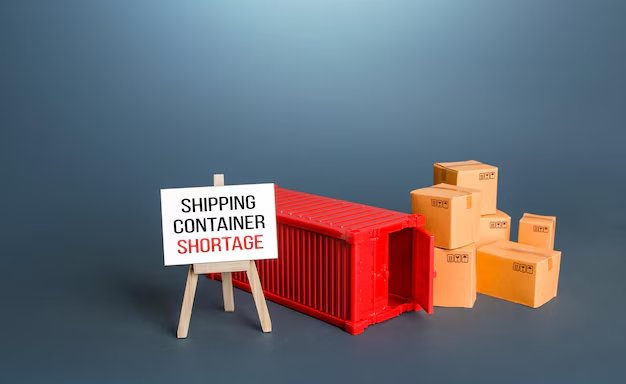
The global shipping container shortage has become a significant issue affecting international trade and logistics. This crisis, which began during the COVID-19 pandemic, has led to delays, increased shipping costs, and disruptions in supply chains worldwide. In this article, we will explore the causes of the shipping container shortage, its impacts on various industries, and potential solutions to mitigate the crisis.

What is a Shipping Container?
Definition and Purpose
Shipping containers are large, standardized metal boxes used to transport goods across the globe. They come in various sizes, with the most common being 20-foot and 40-foot containers. These containers are designed to be easily loaded onto ships, trucks, and trains, facilitating the efficient movement of goods.
Importance in Global Trade
Shipping containers play a crucial role in global trade, accounting for approximately 90% of the world’s cargo transport. Their standardized design allows for seamless transfer between different modes of transportation, reducing handling times and costs. The efficiency of container shipping has revolutionized international trade, enabling businesses to source products from around the world.
Causes of the Global Shipping Container Shortage
Impact of the COVID-19 Pandemic
The COVID-19 pandemic has been a primary driver of the shipping container shortage. As countries implemented lockdowns and restrictions, manufacturing and shipping operations were disrupted. Factories in Asia, particularly China, faced shutdowns, leading to a backlog of goods that could not be shipped. As economies began to reopen, demand for goods surged, but the supply chain was still recovering from the initial disruptions.
Increased Demand for E-commerce
The pandemic accelerated the shift towards e-commerce, with consumers increasingly turning to online shopping. This surge in demand for goods put additional pressure on the shipping industry, as more containers were needed to transport products to consumers. The imbalance between supply and demand for shipping containers became more pronounced, exacerbating the shortage.
Port Congestion and Logistical Challenges
Port congestion has also contributed to the shipping container shortage. Major ports around the world, including those in the United States and Europe, have experienced significant delays due to increased cargo volumes and labor shortages. Ships have been unable to unload their containers promptly, leading to a backlog of containers at ports. This congestion has made it difficult for shipping companies to reposition empty containers to where they are needed most.
Geopolitical Factors
Geopolitical tensions and trade disputes have further complicated the shipping container shortage. Tariffs and trade restrictions can disrupt established supply chains, leading to inefficiencies and delays. Additionally, events such as the blockage of the Suez Canal in 2021 highlighted the vulnerabilities of global shipping routes and the potential for significant disruptions.
Impacts of the Shipping Container Shortage
Increased Shipping Costs
One of the most immediate impacts of the shipping container shortage has been the dramatic increase in shipping costs. As demand for containers has outstripped supply, shipping rates have skyrocketed. Businesses that rely on imported goods have faced higher costs, which can lead to increased prices for consumers.
Supply Chain Disruptions
The shipping container shortage has caused widespread disruptions in supply chains across various industries. Manufacturers have struggled to obtain the raw materials and components needed for production, leading to delays in product availability. Retailers have faced challenges in restocking their shelves, resulting in empty aisles and frustrated customers.
Economic Consequences
The economic consequences of the shipping container shortage are far-reaching. Industries such as retail, automotive, and electronics have been particularly hard hit. Delays in receiving goods can lead to lost sales and reduced revenue for businesses. Additionally, the increased costs associated with shipping can erode profit margins, impacting overall economic growth.
Potential Solutions to the Shipping Container Shortage
Increasing Container Production
To address the shipping container shortage, manufacturers must ramp up production. Major container manufacturers, primarily located in China, have already begun increasing their output to meet demand. However, it takes time to build new containers, and the industry must also address supply chain issues related to raw materials.
Improving Port Efficiency
Enhancing the efficiency of port operations is crucial for alleviating the shipping container shortage. This can involve investing in infrastructure improvements, increasing labor availability, and implementing advanced technologies to streamline cargo handling. By reducing congestion at ports, shipping companies can more effectively reposition containers and improve overall supply chain efficiency.
Diversifying Shipping Routes
Diversifying shipping routes can help mitigate the impacts of geopolitical tensions and disruptions. By exploring alternative shipping lanes and ports, companies can reduce their reliance on specific routes that may be vulnerable to delays. This flexibility can help ensure a more resilient supply chain.
Utilizing Technology
Technology can play a significant role in addressing the shipping container shortage. Implementing data analytics and predictive modeling can help companies better understand demand patterns and optimize their logistics operations. Additionally, digital platforms can facilitate better communication and coordination among supply chain partners.
Conclusion
The global shipping container shortage is a complex issue with far-reaching implications for international trade and logistics. Understanding the causes and impacts of this crisis is essential for businesses and policymakers alike. By implementing effective solutions, such as increasing container production, improving port efficiency, and leveraging technology, the shipping industry can work towards alleviating the current shortage and building a more resilient supply chain for the future.
As you navigate the complexities of global shipping and logistics, don’t miss the opportunity to explore innovative solutions and products that can streamline your operations—discover the latest offerings at LooperBuy today! Visit https://looperbuy.com/.
Related Questions & Answers
· What are the main causes of the global shipping container shortage? The main causes include the COVID-19 pandemic, increased demand for e-commerce, port congestion, and geopolitical factors that disrupt supply chains.
· How has the shipping container shortage affected global trade? The shortage has led to increased shipping costs, supply chain disruptions, and economic consequences for various industries, impacting the availability of goods and driving up prices.
· What solutions are being proposed to alleviate the shipping container shortage? Proposed solutions include increasing container production, improving port efficiency, diversifying shipping routes, and utilizing technology to optimize logistics operations.
· How long is the shipping container shortage expected to last? While the situation is gradually improving, challenges may persist in specific regions and routes. The timeline for resolution will depend on various factors, including production capacity and global demand.
· What industries are most affected by the shipping container shortage? Industries such as retail, automotive, and electronics have been particularly hard hit, facing delays in receiving goods and increased costs associated with shipping.
Hot Tags: Shipping Container Shortage; Global Trade; E-commerce; Supply Chain Disruptions; Port Congestion; Shipping Costs; Container Production; Logistics Challenges; Geopolitical Factors