Table of Contents
Introduction to Global Shipping Tracking
In today’s fast-paced world, the ability to track shipments in real-time has become a crucial aspect of the global shipping industry. As e-commerce continues to grow, consumers and businesses alike demand transparency and efficiency in the shipping process. This article will delve into the importance of global shipping company tracking, the technologies involved, and how to effectively utilize tracking systems to enhance customer satisfaction and operational efficiency.
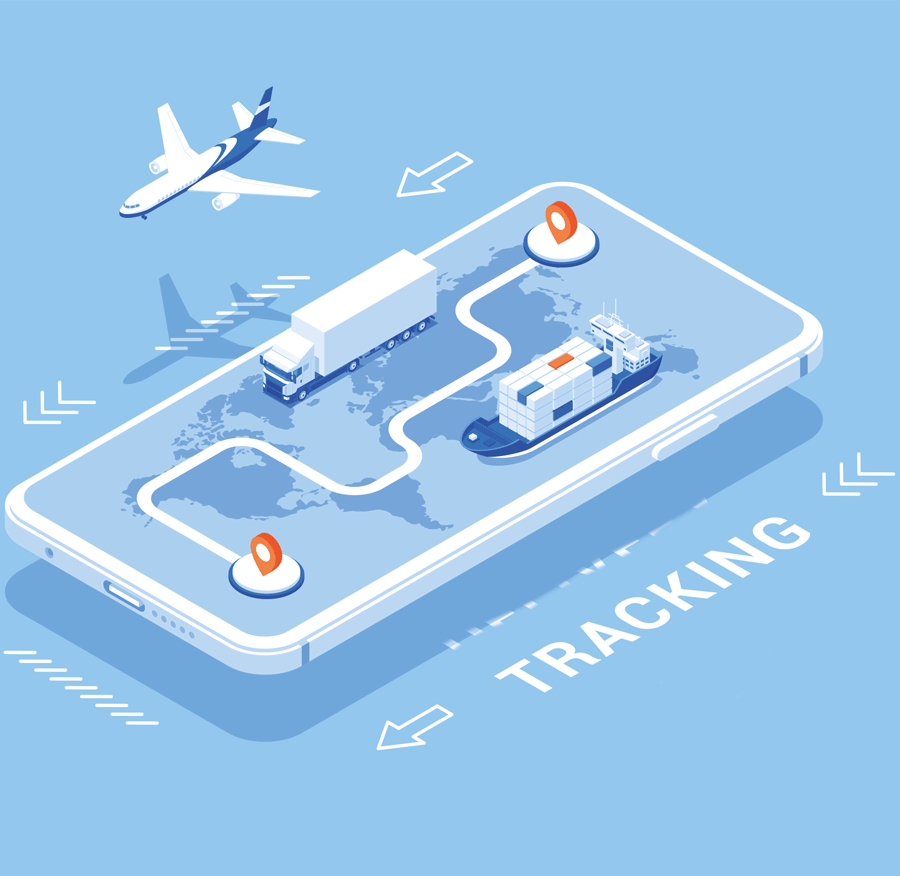
Understanding Global Shipping Tracking
What is Global Shipping Tracking?
Global shipping tracking refers to the process of monitoring the movement of goods as they are transported from one location to another. This system allows customers and businesses to receive real-time updates on the status of their shipments, including information on departure, transit, and delivery.
Importance of Tracking in Shipping
Tracking plays a vital role in the shipping process for several reasons:
- Transparency: Customers appreciate knowing where their packages are at all times. Tracking provides visibility into the shipping process, reducing anxiety and uncertainty.
- Efficiency: For businesses, tracking helps streamline operations by allowing them to manage inventory and logistics more effectively.
- Customer Satisfaction: Providing accurate tracking information enhances the customer experience, leading to higher satisfaction and repeat business.
How Tracking Works
The tracking process typically involves several key components:
- Tracking Numbers: Each shipment is assigned a unique tracking number that allows it to be identified throughout its journey.
- Tracking Systems: Shipping companies utilize sophisticated tracking systems that integrate GPS technology, RFID tags, and barcode scanning to monitor shipments in real-time.
- Data Management: Information collected during the shipping process is stored in databases, allowing customers to access updates through online platforms or mobile applications.
Technologies Behind Global Shipping Tracking
GPS Technology
Global Positioning System (GPS) technology is a cornerstone of modern shipping tracking. GPS devices installed on shipping containers or vehicles provide real-time location data, enabling companies to monitor the exact position of their shipments.
RFID Technology
Radio Frequency Identification (RFID) technology uses electromagnetic fields to automatically identify and track tags attached to objects. In shipping, RFID tags can be placed on packages to provide real-time tracking information without the need for manual scanning.
Barcode Scanning
Barcode scanning is a widely used method for tracking shipments. Each package is labeled with a barcode that can be scanned at various points during the shipping process, allowing for accurate tracking and inventory management.
Mobile Applications
Many shipping companies offer mobile applications that allow customers to track their shipments on the go. These apps provide real-time updates, notifications, and easy access to tracking information.
Benefits of Using Global Shipping Company Tracking
Enhanced Visibility
Tracking systems provide enhanced visibility into the shipping process, allowing businesses to monitor shipments from departure to delivery. This visibility helps identify potential delays and enables proactive communication with customers.
Improved Inventory Management
With accurate tracking information, businesses can manage their inventory more effectively. Knowing the status of shipments allows companies to plan for incoming stock and reduce the risk of stockouts.
Increased Customer Trust
Providing customers with tracking information builds trust and confidence in the shipping process. When customers can see where their packages are, they are more likely to feel satisfied with their purchase experience.
Streamlined Operations
Tracking systems help streamline shipping operations by automating processes and reducing manual errors. This efficiency can lead to cost savings and improved overall performance.
Data-Driven Insights
Tracking data can provide valuable insights into shipping patterns, delivery times, and customer preferences. Businesses can use this information to optimize their shipping strategies and improve service levels.
Challenges in Global Shipping Tracking
Technical Issues
While tracking technology has advanced significantly, technical issues can still arise. Problems such as GPS signal loss, software glitches, or system outages can disrupt tracking capabilities.
Data Privacy Concerns
As tracking systems collect and store data, concerns about data privacy and security have emerged. Shipping companies must ensure that customer information is protected and comply with relevant regulations.
Integration with Existing Systems
Integrating tracking systems with existing logistics and inventory management systems can be challenging. Companies must invest in technology and training to ensure seamless integration.
Global Regulations
Shipping companies must navigate various regulations and compliance requirements in different countries. Understanding these regulations is essential for effective tracking and delivery.
Conclusion
Global shipping company tracking is an essential component of modern logistics and e-commerce. By leveraging advanced technologies and tracking systems, businesses can enhance visibility, improve customer satisfaction, and streamline operations. While challenges exist, the benefits of effective tracking far outweigh the drawbacks, making it a critical investment for companies in the shipping industry.
Experience seamless shipping solutions and real-time tracking that elevate your logistics game—discover more at https://looperbuy.com/.
Related Questions & Answers
· What are the key performance indicators (KPIs) for global shipping companies? Key performance indicators for global shipping companies include on-time delivery rates, shipment accuracy, customer satisfaction scores, and operational efficiency metrics.
· How do global trade agreements affect the profitability of shipping companies? Global trade agreements can lower tariffs and trade barriers, increasing shipping volumes and profitability for shipping companies operating in those regions.
· What is the impact of environmental regulations on the stock valuation of global shipping companies? Environmental regulations can increase operational costs for shipping companies, potentially affecting their profitability and stock valuation if compliance measures are not effectively managed.
· How can customers track their shipments effectively? Customers can track their shipments by using the tracking number provided by the shipping company, accessing the company’s website or mobile app, and signing up for notifications regarding shipment status.
· What technologies are used in modern shipping tracking systems? Modern shipping tracking systems utilize GPS, RFID, barcode scanning, and mobile applications to provide real-time tracking information and enhance visibility throughout the shipping process.
Hot Tags: Global Shipping; Shipment Tracking; GPS Technology; RFID; Barcode Scanning; Customer Satisfaction; Inventory Management; Logistics; E-Commerce