Table of Contents
Introduction to Drop Shipping
In the ever-evolving world of e-commerce, drop shipping has emerged as a popular business model for aspiring entrepreneurs. This model allows individuals to sell products without holding any inventory, making it an attractive option for those looking to start an online business with minimal upfront investment. In this article, we will explore the ins and outs of starting drop shipping, including its advantages, challenges, and best practices to ensure your success.
Understanding the Drop Shipping Model
What is Drop Shipping?
Drop shipping is a retail fulfillment method where a store does not keep the products it sells in stock. Instead, when a store sells a product, it purchases the item from a third party and has it shipped directly to the customer. This means that the seller never sees or handles the product, allowing for a streamlined business operation.
How Drop Shipping Works
The drop shipping process involves several key steps:
- Setting Up an Online Store: Entrepreneurs can create an online store using platforms like Shopify, WooCommerce, or BigCommerce. These platforms provide the necessary tools to build and manage an e-commerce site.
- Choosing a Niche: Selecting a specific niche is crucial for success in drop shipping. A well-defined niche helps target a specific audience and reduces competition.
- Finding Suppliers: Entrepreneurs must find reliable suppliers who offer drop shipping services. Platforms like AliExpress, Oberlo, and SaleHoo can help connect sellers with suppliers.
- Listing Products: Once suppliers are chosen, products can be listed on the online store with detailed descriptions and high-quality images.
- Marketing the Store: Effective marketing strategies, including social media advertising, search engine optimization (SEO), and email marketing, are essential to drive traffic to the store.
- Processing Orders: When a customer places an order, the seller forwards the order details to the supplier, who then ships the product directly to the customer.
Advantages of Drop Shipping
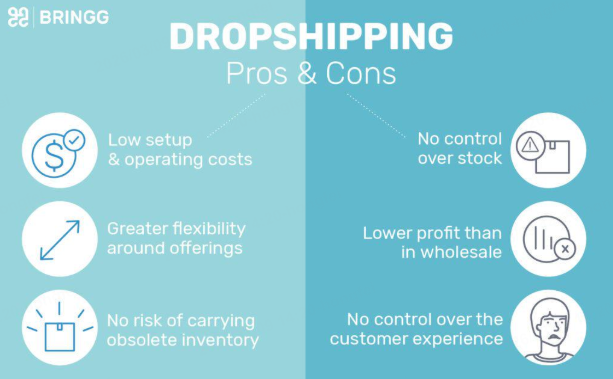
- Low Startup Costs: One of the most significant advantages of drop shipping is the low initial investment. Entrepreneurs do not need to purchase inventory upfront, reducing financial risk.
- Flexibility and Scalability: Drop shipping allows for flexibility in terms of location and working hours. Entrepreneurs can run their businesses from anywhere with an internet connection. Additionally, as the business grows, scaling up operations is relatively easy.
- Wide Product Selection: Sellers can offer a vast array of products without the need to invest in inventory. This allows for experimentation with different products and niches.
Challenges of Drop Shipping
While drop shipping offers numerous benefits, it also comes with its challenges:
- Low Profit Margins: Due to high competition, profit margins in drop shipping can be lower than traditional retail models. Sellers must find ways to differentiate themselves to maintain profitability.
- Inventory Management: Since sellers do not hold inventory, they rely on suppliers to manage stock levels. This can lead to issues with product availability and fulfillment delays.
- Customer Service: As the seller, you are responsible for customer service, even though you do not handle the products. This can lead to complications if there are issues with shipping or product quality.
Steps to Start Your Drop Shipping Business
Step 1: Research Your Market
Before diving into drop shipping, conducting thorough market research is essential. Identify trends, analyze competitors, and understand your target audience. Tools like Google Trends and social media analytics can provide valuable insights into consumer behavior.
Step 2: Choose Your Niche
Selecting the right niche is critical for success. Consider factors such as market demand, competition, and your interests. A niche that aligns with your passions can make the business more enjoyable and sustainable.
Step 3: Find Reliable Suppliers
Finding trustworthy suppliers is crucial for maintaining product quality and customer satisfaction. Look for suppliers with positive reviews, reliable shipping times, and good communication. Establishing a solid relationship with suppliers can lead to better pricing and support.
Step 4: Build Your Online Store
Creating an appealing and user-friendly online store is vital. Choose a platform that suits your needs and customize it to reflect your brand. Ensure that the website is optimized for mobile devices, as many consumers shop on their phones.
Step 5: Develop a Marketing Strategy
A robust marketing strategy is essential for driving traffic to your store. Utilize social media platforms, content marketing, and paid advertising to reach your target audience. Engaging with customers through email marketing can also help build loyalty.
Step 6: Monitor and Optimize
Once your store is live, continuously monitor its performance. Use analytics tools to track sales, customer behavior, and website traffic. Based on this data, make necessary adjustments to improve your marketing efforts and product offerings.
Best Practices for Successful Drop Shipping
Focus on Customer Experience
Providing an exceptional customer experience is crucial for building a loyal customer base. Ensure that your website is easy to navigate, offer multiple payment options, and provide clear shipping and return policies.
Leverage Social Media
Social media platforms are powerful tools for promoting your drop shipping business. Create engaging content, run targeted ads, and interact with your audience to build brand awareness and drive sales.
Stay Informed About Trends
The e-commerce landscape is constantly changing. Stay updated on industry trends, consumer preferences, and emerging technologies to remain competitive. Subscribe to industry newsletters, attend webinars, and participate in online forums to stay informed.
Test and Iterate
Don’t be afraid to experiment with different products, marketing strategies, and pricing models. Testing various approaches can help identify what works best for your business. Use A/B testing to compare different strategies and optimize your efforts.
Build a Brand
Establishing a strong brand identity can set you apart from competitors. Develop a unique brand voice, create a memorable logo, and maintain consistent branding across all platforms. A strong brand can foster customer loyalty and trust.
Conclusion
Starting a drop shipping business can be a rewarding venture for aspiring entrepreneurs. By understanding the drop shipping model, conducting thorough market research, and implementing effective marketing strategies, you can build a successful online store. While challenges exist, the potential for growth and profitability makes drop shipping an attractive option in the e-commerce landscape.
Ready to kickstart your drop shipping journey and discover a world of unique products? Explore the endless possibilities at https://looperbuy.com/.
Related Questions & Answers
· What is the best platform for starting a drop shipping business? Shopify and WooCommerce are popular platforms for drop shipping due to their user-friendly interfaces and extensive features.
· How do I find reliable suppliers for drop shipping? You can find reliable suppliers through platforms like AliExpress, Oberlo, and SaleHoo, which connect sellers with vetted suppliers.
· What are the common challenges in drop shipping? Common challenges include low profit margins, inventory management issues, and the need for effective customer service.
· How can I improve my drop shipping business’s profit margins? To improve profit margins, consider optimizing your pricing strategy, reducing shipping costs, and focusing on high-demand products.
· Is drop shipping a sustainable business model? Yes, drop shipping can be sustainable if managed well, with a focus on customer satisfaction, effective marketing, and continuous improvement.
Hot Tags: Drop Shipping; E-Commerce; Online Business; Retail Fulfillment; Market Research; Supplier Sourcing; Customer Experience; Social Media Marketing; Brand Building