Children’s bus toys are more than just colorful plastic vehicles; they are gateways to imaginative play, educational experiences, and developmental growth. In this article, we will explore the design and features of children’s bus toys, their safety considerations, popular brands and models, and the educational benefits they offer. Each aspect contributes to the overall importance of these toys in a child’s development.
Table of Contents
The Design and Features of Children’s Bus Toys
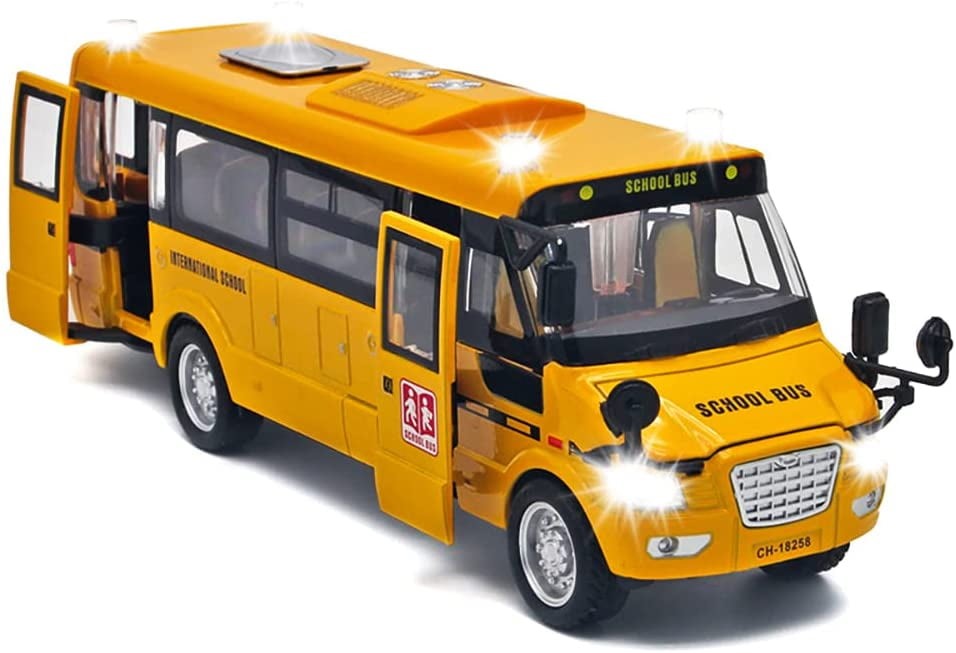
Children’s bus toys come in various designs, each tailored to engage young minds and encourage creative play. The most common design is the classic yellow school bus, which is instantly recognizable and often features bright colors, interactive elements, and realistic details. These design choices are not arbitrary; they are carefully crafted to stimulate children’s imaginations and foster a love for play.
Bright Colors and Engaging Designs
The vibrant colors of children’s bus toys are not just for aesthetics; they play a crucial role in attracting children’s attention. Bright yellows, reds, and blues stimulate visual senses and encourage children to engage with the toy. Many bus toys also incorporate fun designs, such as cartoon characters or animal motifs, which can make playtime more enjoyable. The use of colors can also help children learn to identify and name different hues, enhancing their cognitive development. Furthermore, these engaging designs can spark conversations among children, promoting social interaction and language skills as they describe their toys and the stories they create around them.
Interactive Features
Modern children’s bus toys often include interactive features that enhance play. These can range from opening doors and removable figures to sound effects and lights. For instance, some toys play the classic “Wheels on the Bus” song or make engine sounds when buttons are pressed. These features not only make the toy more fun but also help develop fine motor skills as children learn to manipulate the various components. The act of pressing buttons or opening doors requires coordination and dexterity, which are essential skills for young children. Additionally, interactive features can encourage children to engage in role-playing scenarios, allowing them to explore different social roles and situations, further enhancing their imaginative play.
Realistic Details
Many bus toys are designed to mimic real-life buses, complete with detailed interiors and exteriors. This realism can spark imaginative play, allowing children to create their own stories and scenarios. For example, a toy bus with a detailed interior can encourage children to role-play as bus drivers or passengers, enhancing their social skills and creativity. By mimicking real-world experiences, children can better understand their environment and the roles people play within it. This type of play not only entertains but also educates, as children learn about transportation, community, and social interactions through their imaginative scenarios.
Safety Considerations for Children’s Bus Toys
When it comes to children’s toys, safety is paramount. Parents and caregivers must ensure that the toys they choose are safe for their little ones. Understanding the safety features of children’s bus toys can help parents make informed decisions and provide a safe play environment.
Non-Toxic Materials
Most reputable manufacturers use non-toxic materials in their bus toys, ensuring that they are safe for children to handle and play with. It is essential to check for safety certifications and labels that indicate the toy meets safety standards. Non-toxic materials are crucial, especially for younger children who may put toys in their mouths. Parents should look for toys that are free from harmful chemicals, such as BPA and phthalates, to ensure their child’s safety during playtime. Additionally, many manufacturers conduct rigorous testing to ensure their products meet or exceed safety regulations, providing peace of mind for parents.
Rounded Edges and Durable Construction
Children’s bus toys are often designed with rounded edges to prevent injuries during play. Additionally, many toys are made from durable plastic that can withstand rough handling, which is common among young children. This durability ensures that the toy can last through countless play sessions without breaking. The design of these toys often considers the natural tendencies of children to explore and experiment, which can sometimes lead to rough play. By using durable materials and rounded edges, manufacturers help minimize the risk of injury, allowing children to play freely and safely.
Age Appropriateness
Parents should always consider the recommended age range for a toy. Many bus toys are designed for specific age groups, ensuring that the toy is suitable for the child’s developmental stage. Toys with small parts may pose a choking hazard for younger children, so it is crucial to choose age-appropriate options. Understanding the developmental milestones of children can help parents select toys that not only entertain but also challenge their children appropriately. For instance, toys designed for toddlers may focus on basic motor skills, while those for older children might encourage more complex problem-solving and imaginative play.
Popular Brands and Models of Children’s Bus Toys
Several brands have established themselves as leaders in the children’s toy market, particularly in the category of bus toys. These brands are known for their quality, safety, and engaging designs, making them trusted choices for parents and caregivers.
Fisher-Price
Fisher-Price is a well-known brand that offers a variety of children’s bus toys, including the Little People Big Yellow Bus. This toy features interactive elements like sounds and figures, making it a favorite among toddlers. Fisher-Price toys are designed with safety in mind, ensuring that they are suitable for young children. The brand’s commitment to educational play is evident in their designs, which often incorporate learning elements such as counting and color recognition. Fisher-Price also emphasizes durability, ensuring that their toys can withstand the rigors of active play.
Melissa & Doug
Melissa & Doug is another popular brand that focuses on educational toys. Their wooden school bus toy is a classic choice, promoting imaginative play and fine motor skills. The sturdy construction and simple design make it a timeless option for children. Melissa & Doug toys often encourage open-ended play, allowing children to use their creativity and imagination. The brand is also known for its commitment to quality craftsmanship, using sustainable materials and non-toxic finishes, which appeal to environmentally conscious parents.
CoComelon
CoComelon has gained popularity in recent years, especially among preschoolers. Their school bus toy features characters from the hit children’s show and includes interactive elements that engage children in play. The CoComelon bus toy not only entertains but also reinforces educational themes from the show, such as numbers, letters, and social skills. By incorporating familiar characters and songs, CoComelon toys can enhance children’s connection to the content, making learning fun and relatable.

Educational Benefits of Children’s Bus Toys
Children’s bus toys offer numerous educational benefits that contribute to a child’s overall development. Through play, children can learn essential skills that will serve them throughout their lives.
Enhancing Social Skills
Playing with bus toys often involves role-playing scenarios where children can take on different roles, such as a bus driver or a passenger. This type of imaginative play encourages children to interact with their peers, fostering social skills such as communication, cooperation, and empathy. As children engage in these scenarios, they learn to navigate social dynamics, understand different perspectives, and develop friendships. These interactions are crucial for building emotional intelligence and preparing children for future social situations.
Promoting Cognitive Development
Children’s bus toys can also promote cognitive development by encouraging problem-solving and critical thinking. For example, when children create stories or scenarios involving their bus toys, they must think creatively and logically about how the story unfolds. This type of imaginative play helps develop their ability to plan, organize, and execute ideas. Additionally, many bus toys incorporate educational elements, such as counting or color recognition, which can enhance early learning skills. By integrating play with learning, children’s bus toys provide a fun and effective way to support cognitive growth.
Encouraging Physical Activity
While bus toys are often associated with imaginative play, they can also encourage physical activity. Many children enjoy pushing their bus toys around, which promotes gross motor skills and coordination. Engaging in active play helps children develop strength, balance, and coordination, all of which are essential for their physical development. Furthermore, incorporating movement into playtime can help children expend energy, leading to healthier habits and improved overall well-being.
Fostering Creativity and Imagination
Perhaps one of the most significant benefits of children’s bus toys is their ability to foster creativity and imagination. When children play with bus toys, they are not just playing with a physical object; they are creating entire worlds and stories. This imaginative play allows children to express themselves, explore their thoughts and feelings, and develop their unique perspectives. Encouraging creativity at a young age is vital for developing problem-solving skills and innovative thinking, which are essential in today’s rapidly changing world.
Conclusion
Children’s bus toys are more than just toys; they are essential tools for learning and development. Through their engaging designs, interactive features, and educational benefits, these toys provide children with opportunities to explore, create, and grow. As parents and caregivers, understanding the importance of these toys can help us make informed choices that support our children’s development and enrich their play experiences.
How To Purchase:https://looperbuy.com/search?keywords=children%27s+bus+toys
Frequently Asked Questions
1. What age is appropriate for children’s bus toys?
Most children’s bus toys are designed for ages 2 and up, but it’s essential to check the manufacturer’s recommendations for specific age ranges.
2. Are children’s bus toys safe for toddlers?
Yes, as long as they are made from non-toxic materials and have no small parts that could pose a choking hazard.
3. What are the educational benefits of bus toys?
Bus toys promote social skills, cognitive development, physical activity, and creativity through imaginative play.
4. Which brands are best for children’s bus toys?
Popular brands include Fisher-Price, Melissa & Doug, and CoComelon, known for their quality and educational value.
5. How can I encourage my child to play with bus toys?
Engage with your child during playtime, create stories together, and encourage them to explore different roles and scenarios with their bus toys.