
Table of Contents
Introduction to Drop Shipping
Drop shipping has emerged as a popular business model in the e-commerce landscape, allowing entrepreneurs to sell products without holding inventory. This model has gained traction due to its low startup costs and the flexibility it offers. As the e-commerce market continues to grow, understanding drop shipping statistics becomes crucial for aspiring business owners and established retailers alike. This article delves into the latest trends, insights, and future projections related to drop shipping, providing a comprehensive overview of this dynamic industry.
The Rise of Drop Shipping
Historical Context
The concept of drop shipping is not new; it has been around for decades. However, the rise of the internet and e-commerce platforms has revolutionized the way businesses operate. In the early days, drop shipping was primarily used by small retailers who wanted to expand their product offerings without the financial burden of inventory. Today, it has evolved into a global phenomenon, with millions of entrepreneurs leveraging this model to tap into the vast online market.
Current Market Trends
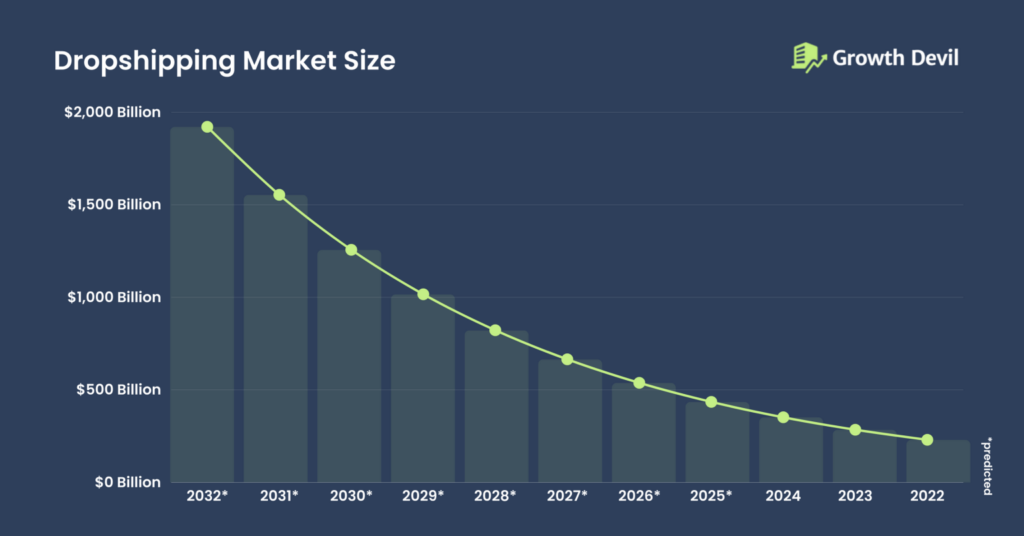
Recent statistics indicate that the drop shipping market is experiencing significant growth. According to industry reports, the global drop shipping market was valued at approximately $102 billion in 2020 and is projected to reach $557.9 billion by 2025. This growth can be attributed to several factors, including the increasing popularity of online shopping, advancements in technology, and the rise of social media marketing.
Key Drop Shipping Statistics
Market Size and Growth Rate
The drop shipping industry is expanding rapidly, with a compound annual growth rate (CAGR) of around 28.8% from 2020 to 2025. This growth is driven by the increasing number of online consumers and the convenience that drop shipping offers. As more people turn to e-commerce for their shopping needs, the demand for drop shipping services is expected to rise.
Consumer Behavior Insights
Understanding consumer behavior is essential for drop shipping success. Recent studies show that 79% of consumers prefer to shop online due to the convenience it offers. Additionally, 54% of consumers have expressed a preference for shopping from brands that offer free shipping. These insights highlight the importance of providing a seamless shopping experience and competitive shipping options to attract and retain customers.
Popular Product Categories
Certain product categories have proven to be more successful in the drop shipping model. According to recent statistics, the most popular drop shipping categories include:
- Fashion and Apparel
- Electronics and Gadgets
- Home and Garden
- Health and Beauty
- Sports and Outdoors
These categories account for a significant portion of drop shipping sales, with fashion and apparel leading the way. Entrepreneurs looking to enter the drop shipping market should consider these categories for their potential profitability.
Challenges in Drop Shipping
Competition and Market Saturation
While the drop shipping model offers numerous advantages, it is not without its challenges. One of the primary concerns for drop shippers is the intense competition in the market. With low barriers to entry, many entrepreneurs are entering the space, leading to market saturation. To stand out, businesses must focus on niche markets, unique product offerings, and exceptional customer service.
Supplier Reliability
Another challenge in drop shipping is ensuring supplier reliability. Since drop shippers do not hold inventory, they rely heavily on suppliers to fulfill orders. Issues such as stock shortages, shipping delays, and product quality can negatively impact a drop shipper’s reputation. Establishing strong relationships with reliable suppliers is crucial for long-term success.
Marketing and Customer Acquisition
Effective marketing is essential for attracting customers in a crowded drop shipping market. Many drop shippers struggle with finding the right marketing strategies to reach their target audience. Utilizing social media platforms, search engine optimization (SEO), and pay-per-click (PPC) advertising can help businesses increase their visibility and drive traffic to their online stores. Additionally, building an email list and engaging with customers through newsletters can foster loyalty and repeat business.
Future Projections for Drop Shipping
Technological Advancements
The future of drop shipping is closely tied to technological advancements. Innovations such as artificial intelligence, machine learning, and automation are expected to streamline operations and enhance customer experiences. For instance, AI-driven analytics can help drop shippers identify trends and optimize their product offerings, while automation can improve order fulfillment processes. Furthermore, advancements in logistics technology, such as real-time tracking and inventory management systems, will enable drop shippers to provide better service to their customers.
Sustainability Trends
As consumers become more environmentally conscious, sustainability is becoming a key consideration in the drop shipping industry. Businesses that prioritize eco-friendly practices, such as sourcing sustainable products and using environmentally friendly packaging, are likely to attract a growing segment of conscious consumers. This trend presents an opportunity for drop shippers to differentiate themselves in a crowded market. By promoting sustainable practices, businesses can not only appeal to eco-conscious consumers but also contribute to a more sustainable future.
Global Market Expansion
The drop shipping model is not limited to domestic markets; it has the potential for global expansion. As e-commerce continues to grow worldwide, drop shippers can tap into international markets to reach a broader audience. However, this expansion comes with its own set of challenges, including understanding local regulations, cultural differences, and shipping logistics. Successful drop shippers will need to adapt their strategies to cater to diverse markets while maintaining a consistent brand identity.
Conclusion
In conclusion, drop shipping is a rapidly growing industry with significant potential for entrepreneurs. By understanding the latest statistics and trends, aspiring drop shippers can make informed decisions and develop strategies to succeed in this competitive landscape. As technology continues to evolve and consumer preferences shift, staying ahead of the curve will be essential for long-term success in the drop shipping market.
As you explore the exciting world of drop shipping and consider launching your own business, remember that platforms like LooperBuy can help you find the best products to sell and streamline your operations. Start your journey today at https://looperbuy.com/.
Related Questions & Answers
· What are the most profitable drop shipping niches in 2024? Some of the most profitable drop shipping niches in 2024 include eco-friendly products, health and wellness items, tech gadgets, and personalized gifts. These niches cater to current consumer trends and preferences.
· How can I find reliable drop shipping suppliers? To find reliable drop shipping suppliers, consider using platforms like AliExpress, Oberlo, or SaleHoo. Additionally, researching suppliers’ reviews, checking their shipping times, and ordering samples can help ensure reliability.
· What are the best marketing strategies for drop shipping businesses? Effective marketing strategies for drop shipping businesses include leveraging social media advertising, utilizing SEO to improve organic traffic, engaging in influencer partnerships, and implementing email marketing campaigns to retain customers.
· How do I handle customer service in a drop shipping business? Handling customer service in a drop shipping business involves clear communication, timely responses to inquiries, and effective resolution of issues. Providing a comprehensive FAQ section on your website can also help address common concerns.
· What are the key metrics to track in a drop shipping business? Key metrics to track in a drop shipping business include conversion rates, average order value, customer acquisition cost, and return on investment (ROI) for marketing campaigns. Monitoring these metrics can help optimize business performance.
Hot Tags: Drop Shipping; E-commerce Trends; Online Retail; Consumer Behavior; Market Growth; Supplier Management; Niche Markets; Technology in Retail; Sustainable Practices