In the rapidly evolving world of e-commerce, drop shipping services have become a popular choice for entrepreneurs looking to start their own businesses with minimal upfront investment. This article will explore the various aspects of drop shipping services, including how they work, their advantages and disadvantages, and tips for choosing the right service provider. By the end of this guide, you will have a thorough understanding of drop shipping services and how to leverage them for your business success.
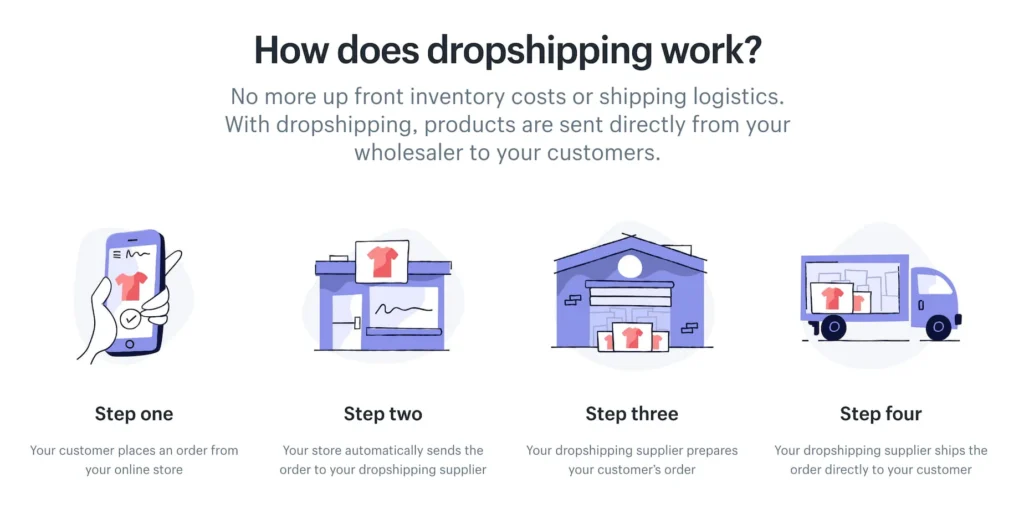
Table of Contents
What is Drop Shipping?
Drop shipping is a retail fulfillment method where a store does not keep the products it sells in stock. Instead, when a store sells a product, it purchases the item from a third party and has it shipped directly to the customer. This model allows entrepreneurs to run their businesses without the need for inventory management, making it an attractive option for many.
How Drop Shipping Works
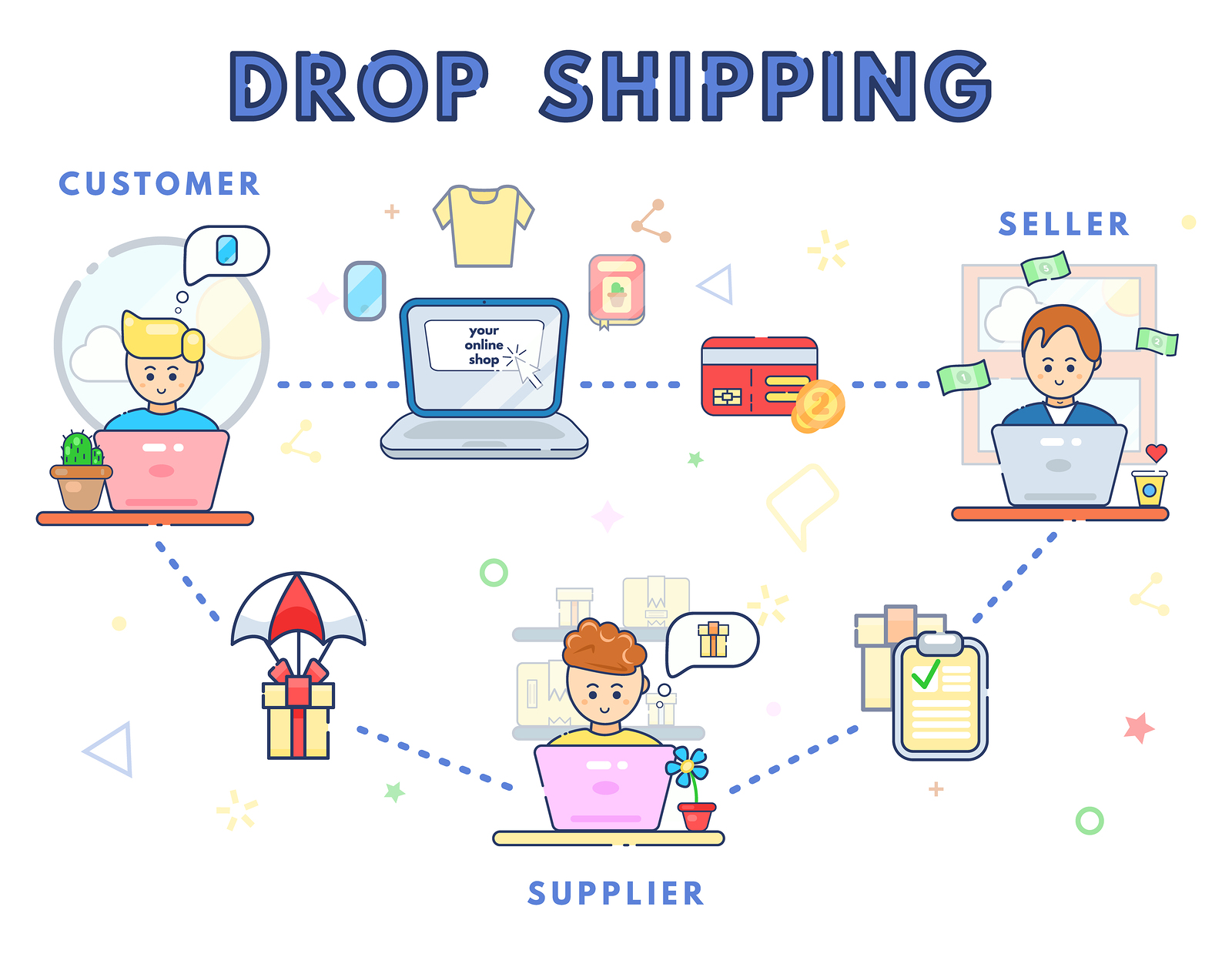
- Customer Places an Order: A customer visits your online store and places an order for a product.
- Order Forwarding: You receive the order and forward the details to your supplier.
- Supplier Ships the Product: The supplier packages and ships the product directly to the customer.
- Profit Margin: You keep the difference between the retail price and the wholesale price as profit.
Key Players in Drop Shipping
- Retailer: The entrepreneur or business that sells products through an online store.
- Supplier: The manufacturer or wholesaler that provides the products and handles shipping.
- Customer: The end consumer who purchases the product from the retailer.
Advantages of Drop Shipping Services
Drop shipping services offer several advantages that make them appealing to new entrepreneurs.
Low Startup Costs
One of the most significant benefits of drop shipping is the low startup costs. Since you don’t need to invest in inventory upfront, you can start your business with minimal financial risk. This allows you to allocate your resources to marketing and building your online presence.
Flexibility and Scalability
Drop shipping provides flexibility in terms of product offerings and business operations. You can easily add or remove products from your store without worrying about unsold inventory. Additionally, as your business grows, you can scale your operations without the need for significant investments in warehousing or logistics.
Wide Product Range
With drop shipping, you can offer a diverse range of products without the risk of holding unsold inventory. This allows you to cater to various customer preferences and market trends, increasing your chances of making sales.
Location Independence
Drop shipping allows you to run your business from anywhere with an internet connection. This flexibility is particularly appealing to digital nomads and those looking to escape the traditional 9-to-5 work environment.
Disadvantages of Drop Shipping Services
While drop shipping has many advantages, it also comes with its own set of challenges.
Lower Profit Margins
Due to the competitive nature of drop shipping, profit margins can be lower compared to traditional retail models. Retailers often have to compete on price, which can lead to reduced profits. It’s essential to find a balance between competitive pricing and maintaining a healthy profit margin.
Inventory Management Challenges
Although you don’t hold inventory, you still need to manage your supplier’s inventory levels. If a supplier runs out of stock, it can lead to delays in fulfilling customer orders and negatively impact your business reputation. Regular communication with suppliers is crucial to avoid these issues.
Shipping Complexities
Shipping can become complicated when working with multiple suppliers. Different suppliers may have varying shipping times and costs, which can lead to confusion for customers. It’s essential to clearly communicate shipping policies and timelines to avoid dissatisfaction.
Limited Control Over Product Quality
Since you don’t handle the products directly, you have limited control over their quality. If a supplier sends a defective product, it can reflect poorly on your business. Establishing strong relationships with reliable suppliers is vital to mitigate this risk.
Choosing the Right Drop Shipping Service
Selecting the right drop shipping service provider is crucial for your business success. Here are some factors to consider when making your choice.
Research Potential Suppliers
Conduct thorough research on potential suppliers to ensure they are reputable and reliable. Look for reviews, testimonials, and case studies to gauge their performance. A good supplier should have a track record of timely deliveries and quality products.
Evaluate Product Range
Consider the range of products offered by the supplier. Ensure they have a diverse selection that aligns with your target market. A supplier with a wide variety of products can help you cater to different customer preferences.
Assess Shipping Options
Evaluate the shipping options provided by the supplier. Look for suppliers that offer fast and affordable shipping solutions. Additionally, consider whether they provide tracking information for orders, as this can enhance the customer experience.
Check for Integration Capabilities
Choose a drop shipping service that integrates seamlessly with your e-commerce platform. This will streamline your operations and make it easier to manage orders, inventory, and customer data.
Understand Pricing Structures
Review the pricing structures of potential suppliers. Ensure you understand their fees, including shipping costs, handling fees, and any other charges. This will help you calculate your profit margins accurately.
Marketing Your Drop Shipping Business
Once you have chosen a drop shipping service, the next step is to market your business effectively. Here are some strategies to consider.
Build a Professional Website
Your website is the face of your business, so it’s essential to create a professional and user-friendly online store. Invest in a quality e-commerce platform that allows for easy navigation, secure payment processing, and mobile responsiveness.
Utilize Social Media Marketing
Leverage social media platforms to promote your products and engage with your audience. Create visually appealing content that showcases your products and encourages user interaction. Consider running targeted ads to reach a broader audience.
Implement SEO Strategies
Search engine optimization (SEO) is crucial for driving organic traffic to your website. Optimize your product descriptions, blog posts, and website content with relevant keywords to improve your search engine rankings.
Offer Promotions and Discounts
Attract customers by offering promotions, discounts, or free shipping on orders over a certain amount. These incentives can encourage potential buyers to make a purchase and increase your sales.
Build an Email List
Email marketing is a powerful tool for nurturing customer relationships. Build an email list by offering valuable content, exclusive discounts, or free resources. Use email campaigns to keep your audience informed about new products, promotions, and updates.
Conclusion
Drop shipping services offer a unique opportunity for entrepreneurs to start their own businesses with minimal investment and risk. By understanding how drop shipping works, its advantages and disadvantages, and how to choose the right service provider, you can set yourself up for success in the e-commerce landscape. With effective marketing strategies and a focus on customer satisfaction, your drop shipping business can thrive in today’s competitive market.
As you explore the world of drop shipping services, remember that finding the right products at competitive prices can elevate your business to new heights. Discover an extensive selection of quality products at unbeatable prices at https://looperbuy.com/.
Related Questions & Answers
· What is drop shipping? Drop shipping is a retail fulfillment method where a store sells products without holding inventory, purchasing items from a supplier who ships directly to the customer.
· How do I choose a reliable drop shipping supplier? Research potential suppliers by checking reviews, testimonials, and their product range. Ensure they have a good track record of timely deliveries and quality products.
· What are the common challenges in drop shipping? Common challenges include lower profit margins, inventory management issues, shipping complexities, and limited control over product quality.
· How can I effectively market my drop shipping business? Build a professional website, utilize social media marketing, implement SEO strategies, offer promotions, and build an email list to engage with customers.
· What are the benefits of using drop shipping services? Benefits include low startup costs, flexibility, a wide product range, and location independence, allowing entrepreneurs to run their businesses from anywhere.
Hot Tags: Drop Shipping; E-commerce; Online Retail; Business Model; Supplier Management; Marketing Strategies; Inventory Management; Profit Margins; Customer Satisfaction