Table of Contents
Introduction to Drop Shipping
Drop shipping has emerged as a revolutionary business model in the e-commerce landscape. It allows entrepreneurs to sell products without holding any inventory, making it an attractive option for those looking to start a business with minimal upfront investment. This article delves into the intricacies of drop shipping, exploring its benefits, challenges, and strategies for success.
What is Drop Shipping?
Drop shipping is a retail fulfillment method where a store doesn’t keep the products it sells in stock. Instead, when a store sells a product, it purchases the item from a third party and has it shipped directly to the customer. This means that the seller never sees or handles the product.
How Drop Shipping Works
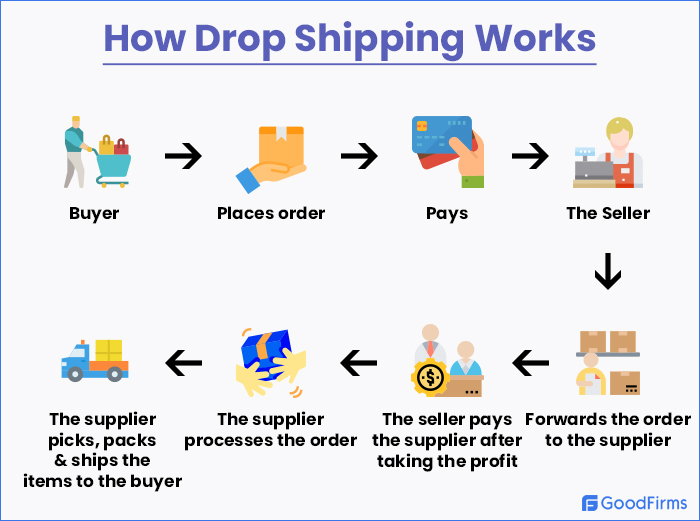
- Customer Places an Order: A customer visits an online store and places an order for a product.
- Retailer Receives the Order: The retailer receives the order and processes the payment.
- Order is Forwarded to Supplier: The retailer forwards the order details to the supplier or manufacturer.
- Supplier Ships the Product: The supplier ships the product directly to the customer.
- Retailer Keeps the Profit: The retailer keeps the difference between the retail price and the wholesale price.
Key Players in Drop Shipping
- Retailer: The business owner who sells products online.
- Supplier: The manufacturer or wholesaler who provides the products.
- Customer: The end-user who purchases the product.
Benefits of Drop Shipping
Drop shipping offers several advantages that make it an appealing business model for aspiring entrepreneurs.
Low Startup Costs
One of the most significant benefits of drop shipping is the low barrier to entry. Entrepreneurs can start an online store without the need for substantial capital investment in inventory. This allows individuals to test the market and validate their business ideas with minimal financial risk.
Wide Product Selection
With drop shipping, retailers can offer a vast array of products without the need to purchase them upfront. This flexibility enables entrepreneurs to cater to various customer preferences and trends without being tied to specific inventory.
Location Independence
Drop shipping businesses can be operated from anywhere with an internet connection. This flexibility allows entrepreneurs to work from home or while traveling, making it an attractive option for those seeking a lifestyle business.
Reduced Risk
Since retailers do not invest in inventory, the financial risk associated with unsold products is significantly reduced. This allows entrepreneurs to pivot their business strategies quickly based on market demand.
Challenges of Drop Shipping
While drop shipping has its advantages, it also comes with its own set of challenges that entrepreneurs must navigate.
Lower Profit Margins
Due to the competitive nature of drop shipping, profit margins can be lower compared to traditional retail models. Retailers must carefully price their products to remain competitive while still covering their costs.
Inventory Management Issues
Since retailers do not control inventory, they may face challenges with stock availability. If a supplier runs out of stock, it can lead to delays in fulfilling customer orders, negatively impacting customer satisfaction.
Shipping Complexities
Managing shipping can be complicated, especially if a retailer works with multiple suppliers. Different suppliers may have varying shipping times and costs, making it challenging to provide a consistent customer experience.
Customer Service Challenges
As the retailer, you are responsible for customer service, even though you do not handle the products directly. This can lead to complications if there are issues with the product or shipping, as customers may hold the retailer accountable.
Strategies for Success in Drop Shipping
To thrive in the drop shipping business, entrepreneurs must implement effective strategies that address the challenges and leverage the benefits of the model.
Choosing the Right Niche
Selecting a profitable niche is crucial for success in drop shipping. Entrepreneurs should conduct thorough market research to identify trending products and target audiences. Focusing on a specific niche can help retailers differentiate themselves from competitors.
Building Strong Supplier Relationships
Establishing reliable relationships with suppliers is essential for ensuring product quality and timely shipping. Retailers should vet suppliers carefully, looking for those with a proven track record of reliability and customer service.
Optimizing Your Online Store
A well-designed online store can significantly impact sales. Retailers should invest in user-friendly website design, high-quality product images, and compelling product descriptions. Additionally, optimizing for search engines can help attract organic traffic.
Effective Marketing Strategies
Marketing is vital for driving traffic to an online store. Retailers should explore various marketing channels, including social media, email marketing, and paid advertising. Building a strong brand presence can also help attract and retain customers.
Providing Excellent Customer Service
Exceptional customer service can set a retailer apart from competitors. Responding promptly to customer inquiries, addressing concerns, and providing clear communication can enhance the overall customer experience.
Conclusion
Drop shipping presents a unique opportunity for entrepreneurs to enter the e-commerce space with minimal investment. While it comes with its challenges, understanding the intricacies of the model and implementing effective strategies can lead to a successful drop shipping business. By focusing on niche selection, supplier relationships, and customer service, aspiring entrepreneurs can navigate the complexities of drop shipping and build a thriving online store.
Ready to kickstart your drop shipping journey and discover a wide range of products that can elevate your online store? Explore the exciting opportunities at https://looperbuy.com/.
Related Questions & Answers
· What is the main advantage of drop shipping? The main advantage of drop shipping is the low startup cost, allowing entrepreneurs to start an online business without the need for significant capital investment in inventory.
· How do I find reliable suppliers for drop shipping? You can find reliable suppliers by researching online directories, attending trade shows, and reading reviews from other retailers. It’s essential to vet suppliers for quality and reliability.
· Can I drop ship from multiple suppliers? Yes, you can drop ship from multiple suppliers, but it may complicate shipping and inventory management. It’s crucial to coordinate with each supplier to ensure timely fulfillment.
· What are the common challenges in drop shipping? Common challenges include lower profit margins, inventory management issues, shipping complexities, and customer service challenges.
· How can I improve my drop shipping business? You can improve your drop shipping business by optimizing your online store, implementing effective marketing strategies, building strong supplier relationships, and providing excellent customer service.
Hot Tags: Drop Shipping; E-commerce; Online Business; Retail Fulfillment; Supplier Relationships; Market Research; Customer Service; Niche Selection; Profit Margins