In our fast-paced world, the importance of a nutritious lunch cannot be overstated. Whether you are a student, a busy professional, or an outdoor enthusiast, having a reliable lunch box with ice packs is essential for keeping your meals fresh and safe. This comprehensive guide will explore the benefits of using lunch boxes with ice packs, the various types available, and practical tips for maximizing their effectiveness.
Table of Contents
Understanding the Importance of Keeping Lunches Cool
Food Safety First
One of the primary reasons for using ice packs in lunch boxes is to ensure food safety. Perishable items such as dairy products, meats, and certain fruits can spoil quickly if not kept at the right temperature. The USDA recommends that perishable foods should not be left at room temperature for more than two hours. Ice packs help maintain a safe temperature, preventing the growth of harmful bacteria that can lead to foodborne illnesses.
When packing lunches, it is crucial to understand the “danger zone” for food safety, which is between 40°F and 140°F. Within this temperature range, bacteria can multiply rapidly, increasing the risk of foodborne illness. By using ice packs, you can keep your food below 40°F, significantly reducing this risk.
Preserving Freshness and Flavor
In addition to safety, keeping food cool helps preserve its freshness and flavor. Nobody enjoys a soggy sandwich or wilted salad. Ice packs ensure that your meals remain crisp and flavorful until it’s time to eat. This is especially important for children, who may be more sensitive to the taste and texture of their food.
Freshness is not just about taste; it also affects the nutritional value of your meals. Certain vitamins and nutrients can degrade when food is stored at improper temperatures. By using ice packs, you can help maintain the nutritional integrity of your meals, ensuring that you get the most out of your lunch.
Types of Lunch Boxes with Ice Packs
Insulated Lunch Boxes
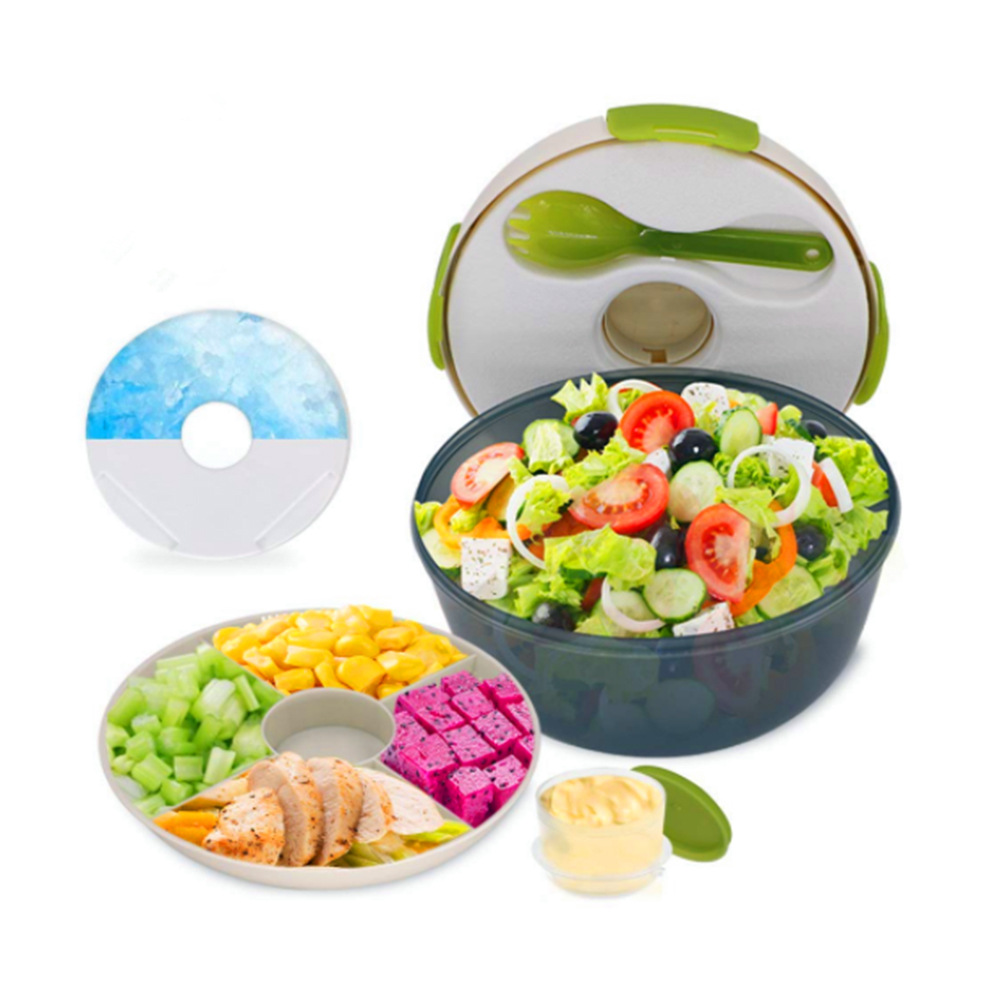
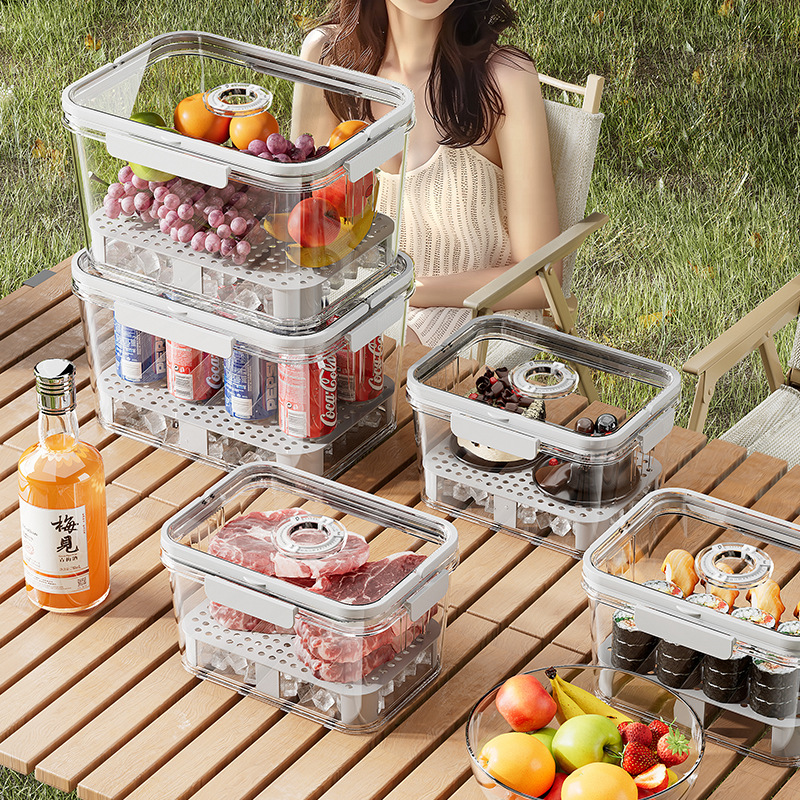
Insulated lunch boxes are designed to keep food cold for extended periods. They often feature thick walls and a reflective interior that helps maintain temperature. Many insulated lunch boxes come with built-in ice packs, eliminating the need for separate cooling elements. This design is convenient and ensures that your food stays fresh without the hassle of packing additional ice packs.
Insulated lunch boxes are available in various sizes and styles, making them suitable for different types of meals. Some are designed specifically for kids, featuring fun designs and compartments for snacks, while others are more suited for adults, with sleek designs and ample space for larger meals.
Freezable Lunch Bags
Freezable lunch bags are another popular option. These bags are made with special materials that can be frozen, allowing them to act as ice packs themselves. Simply place the entire bag in the freezer overnight, and it will keep your food cool for hours. This type of lunch box is lightweight and easy to carry, making it ideal for students and professionals on the go.
Freezable lunch bags often come in various colors and designs, allowing you to choose one that fits your style. They are also typically more flexible than traditional lunch boxes, making them easier to store when not in use.
Traditional Lunch Boxes with Ice Packs
Traditional lunch boxes can also be used with separate ice packs. These boxes come in various shapes and sizes, allowing for customization based on your meal preferences. When using traditional lunch boxes, it’s essential to choose the right size and type of ice pack to ensure optimal cooling. Slim ice packs are often recommended, as they can fit easily alongside your food without taking up too much space.
Using traditional lunch boxes with ice packs allows for greater flexibility in meal planning. You can pack a variety of foods, from sandwiches to salads, and adjust the number of ice packs based on the perishability of the items you are packing.
Benefits of Using Ice Packs in Lunch Boxes
Extended Cooling Time
One of the most significant advantages of using ice packs is the extended cooling time they provide. Depending on the type of ice pack and lunch box, food can stay cool for several hours. This is particularly beneficial for long workdays, school hours, or outdoor activities where refrigeration is not available.
High-quality ice packs can maintain their cooling properties for up to eight hours or more, depending on the insulation of the lunch box and the ambient temperature. This extended cooling time ensures that your food remains safe and fresh until it’s time to eat.
Versatility
Ice packs come in various shapes and sizes, making them versatile for different types of lunches. Whether you’re packing a bento box, a sandwich, or a salad, there’s an ice pack that can fit your needs. Some ice packs are even designed to be flexible, allowing them to wrap around food items for direct cooling.
This versatility means you can customize your lunch packing based on the specific foods you are bringing. For example, if you are packing yogurt or cheese, you can use a slim ice pack that fits snugly alongside these items to keep them cool.
Eco-Friendly Options
Many ice packs are made from non-toxic materials and are reusable, making them an eco-friendly choice. By using reusable ice packs, you can reduce waste and contribute to a more sustainable lifestyle. Additionally, some brands offer ice packs that are made from biodegradable materials, further minimizing environmental impact.
Using eco-friendly ice packs not only benefits the environment but also ensures that you are not introducing harmful chemicals into your food. Look for ice packs that are labeled as BPA-free and made from safe materials.
Tips for Maximizing the Effectiveness of Ice Packs
Pre-Chill Your Food
Before packing your lunch, consider chilling your food in the refrigerator. This extra step helps ensure that your meals stay cool for longer when combined with ice packs. Foods that are already cold will require less cooling power from the ice packs, extending their effectiveness.
Pre-chilling your food is especially important for items that are more prone to spoilage, such as dairy products and meats. By starting with cold food, you can help maintain a safe temperature throughout the day.
Use Multiple Ice Packs
For optimal cooling, it’s often recommended to use more than one ice pack in your lunch box. Placing ice packs at the top and bottom of your lunch box creates a “cold sandwich” effect, surrounding your food with cool air. This method helps maintain a consistent temperature throughout the lunch box.
Using multiple ice packs is particularly useful for larger lunch boxes or bags that contain a variety of foods. By distributing the cooling power evenly, you can ensure that all items remain at a safe temperature.
Choose the Right Ice Pack
Not all ice packs are created equal. When selecting ice packs, consider their size, shape, and material. Slim ice packs are ideal for fitting into tight spaces, while larger packs may provide more cooling power. Additionally, look for ice packs that are made from durable materials to withstand daily use.
Some ice packs are designed to be flexible, allowing them to conform to the shape of your food items. This can enhance cooling efficiency by maximizing contact between the ice pack and the food.
Pack Strategically
When packing your lunch, place the most perishable items closest to the ice packs. This ensures that they stay cool and fresh until it’s time to eat. For example, if you’re packing yogurt, cheese, or deli meats, position them near the ice packs to minimize the risk of spoilage.
Strategic packing also involves considering the layout of your lunch box. Use compartments to separate different food items and prevent cross-contamination. This not only helps maintain freshness but also makes it easier to enjoy your meal.
Keep It Sealed
Ensure that your lunch box is sealed tightly to prevent warm air from entering. A well-sealed lunch box will maintain its internal temperature more effectively, keeping your food fresh for longer. Check the zippers and closures to ensure they are functioning correctly before packing.
A tight seal is especially important if you are using a traditional lunch box with ice packs. Any gaps can allow warm air to enter, reducing the effectiveness of the ice packs and compromising food safety.
Creative Lunch Ideas for Use with Ice Packs
Healthy Wraps
Wraps are a versatile and healthy lunch option that can be easily customized. Use whole grain tortillas and fill them with lean proteins, fresh vegetables, and spreads like hummus or avocado. Pair your wrap with a small container of yogurt or a piece of fruit, and include an ice pack to keep everything cool.
Bento Boxes
Bento boxes are a fun way to pack a variety of foods in one meal. Include a mix of proteins, grains, and vegetables, along with a small treat. Use ice packs to keep perishable items fresh, and consider using silicone cups to separate different food items.
Salads
Salads are a refreshing lunch option, especially during warmer months. Pack a base of leafy greens and top it with your choice of proteins, nuts, and dressings. To keep your salad fresh, use an ice pack and consider packing the dressing separately to prevent wilting.
Snack Packs
For a lighter lunch, consider packing a variety of snacks. Include items like cheese cubes, whole grain crackers, sliced vegetables, and hummus. Use ice packs to keep perishable snacks cool, and enjoy a balanced meal that is easy to eat on the go.
Fruit and Nut Mixes
A mix of fresh fruits and nuts can make for a nutritious and satisfying lunch. Pack a variety of fruits, such as grapes, apple slices, and berries, along with a handful of nuts for added protein. Use an ice pack to keep the fruit fresh and prevent spoilage.
Conclusion
A lunch box with ice packs is an essential tool for anyone looking to maintain the freshness and safety of their meals. By understanding the importance of keeping food cool, the different types of lunch boxes available, and the benefits of using ice packs, you can make informed choices that enhance your lunchtime experience. With the right strategies and products, you can enjoy delicious, safe, and nutritious meals wherever your day takes you.
How to purchase:Online B2B sourcing platform, China purchase, Chinese suppliers – LooperBuy
Frequently Asked Questions
1. What are the best non-toxic ice pack options for lunch boxes?
When looking for non-toxic ice packs, consider options that are labeled as BPA-free and made from safe materials. Many brands offer reusable ice packs that are designed specifically for lunch boxes and are made from non-toxic gel.
2. How do freezable lunch bags compare to traditional insulated lunch boxes with ice packs in terms of cooling performance?
Freezable lunch bags often provide excellent cooling performance, as they are designed to act as ice packs themselves. However, traditional insulated lunch boxes with separate ice packs can also maintain cold temperatures effectively, especially when multiple ice packs are used.
3. What are some creative and healthy lunch ideas that pair well with using ice packs to maintain freshness?
Healthy wraps, bento boxes, salads, snack packs, and fruit and nut mixes are all great lunch ideas that can be paired with ice packs to keep them fresh and safe until it’s time to eat.
HOT TAG: lunch box with ice packs, food safety tips, insulated lunch solutions, meal freshness preservation, eco-friendly ice packs, creative lunch ideas, packing strategies, healthy eating on the go, perishable food storage, lunchtime convenience