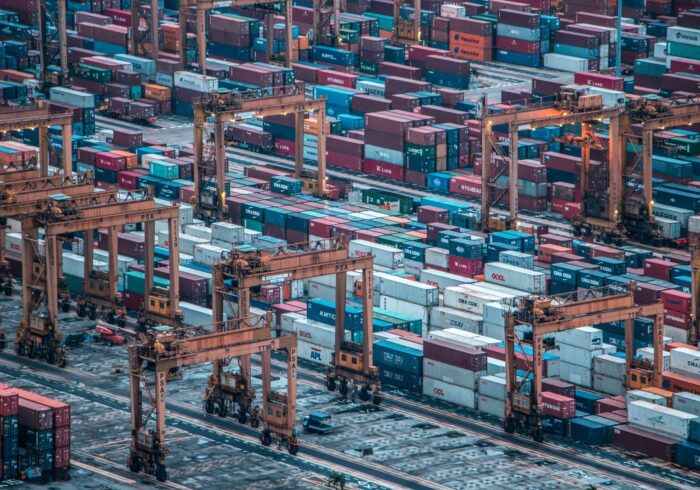
In today’s fast-paced world, the demand for quick and efficient shipping solutions has never been higher. Fast global shipping has become a cornerstone of e-commerce, enabling businesses to reach customers across the globe in record time. This article explores the significance of fast global shipping, its impact on various industries, and the technologies driving this transformation.
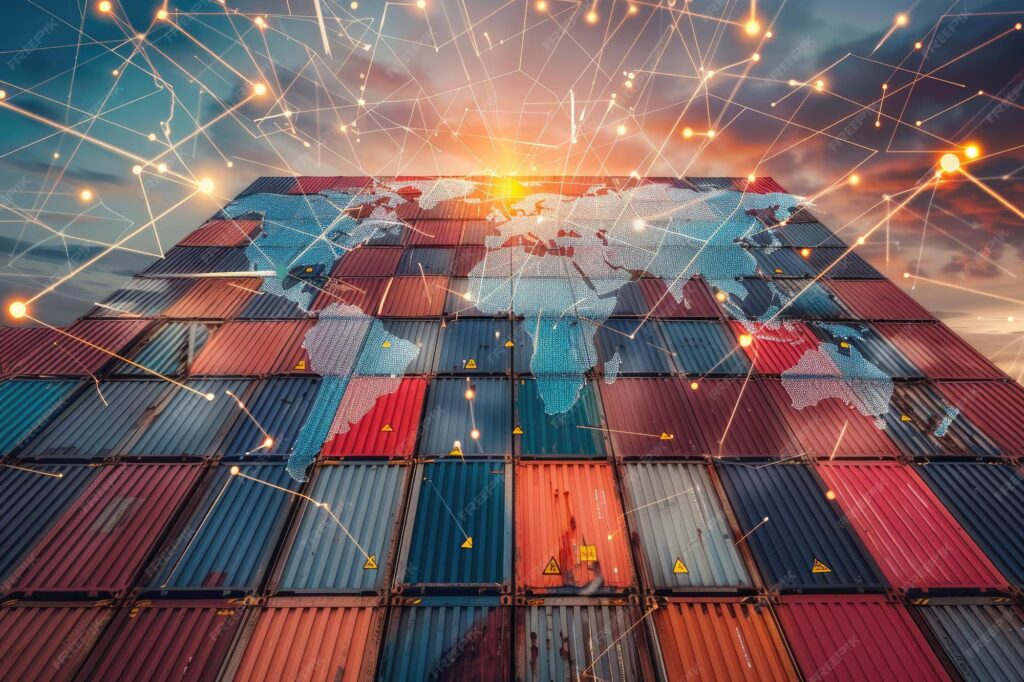
Table of Contents
The Importance of Fast Global Shipping
Fast global shipping is not just a trend; it is a necessity for businesses aiming to thrive in the competitive e-commerce landscape. With consumers expecting rapid delivery times, companies must adapt their logistics strategies to meet these demands.
Meeting Consumer Expectations
In an era where instant gratification is the norm, consumers have come to expect their purchases to arrive quickly. According to recent studies, a significant percentage of online shoppers are willing to abandon their carts if shipping options do not meet their expectations. Fast global shipping addresses this issue by providing timely delivery, enhancing customer satisfaction, and fostering brand loyalty.
Boosting Sales and Revenue
Businesses that offer fast shipping options often see a direct correlation between shipping speed and sales. When customers know they can receive their orders quickly, they are more likely to complete their purchases. This not only increases conversion rates but also encourages repeat business, ultimately boosting revenue.
Competitive Advantage
In a crowded marketplace, offering fast global shipping can set a business apart from its competitors. Companies that prioritize speed in their shipping processes can attract more customers, especially those who value convenience. This competitive advantage can lead to increased market share and brand recognition.
The Role of Technology in Fast Global Shipping
Advancements in technology have played a crucial role in the evolution of fast global shipping. From automated warehouses to real-time tracking systems, technology is streamlining logistics and enhancing efficiency.
Automated Warehousing Solutions
Automated warehousing solutions are revolutionizing the way products are stored and shipped. Robotics and artificial intelligence are being utilized to manage inventory, pick and pack orders, and streamline the shipping process. This automation reduces human error and speeds up the fulfillment process, allowing businesses to offer faster shipping options.
Robotics in Warehousing
Robots are increasingly being used in warehouses to perform tasks such as sorting, packing, and transporting goods. These machines can work around the clock, significantly increasing the speed of order fulfillment. Companies like Amazon have already implemented robotic systems in their fulfillment centers, resulting in faster processing times and reduced labor costs.
AI and Inventory Management
Artificial intelligence plays a vital role in inventory management by predicting demand and optimizing stock levels. AI algorithms analyze historical sales data and market trends to ensure that warehouses are stocked with the right products at the right time. This proactive approach minimizes delays and ensures that fast shipping can be maintained.
Real-Time Tracking and Transparency
Consumers today demand transparency in the shipping process. Real-time tracking systems provide customers with updates on their order status, from the moment it leaves the warehouse to its arrival at their doorstep. This level of transparency not only builds trust but also allows businesses to manage customer expectations effectively.
Enhanced Customer Experience
Real-time tracking enhances the customer experience by providing peace of mind. Customers can monitor their shipments and receive notifications about any delays or changes in delivery times. This proactive communication helps to reduce anxiety and fosters a positive relationship between the customer and the brand.
Data Analytics for Improved Logistics
Data analytics is another critical component of fast global shipping. By analyzing shipping data, businesses can identify bottlenecks in their logistics processes and make informed decisions to improve efficiency. This data-driven approach allows companies to optimize their shipping routes, reduce transit times, and ultimately enhance the speed of delivery.
Challenges in Fast Global Shipping
While fast global shipping offers numerous benefits, it also presents several challenges that businesses must navigate.
High Shipping Costs
One of the primary challenges of fast global shipping is the associated costs. Expedited shipping options often come with higher price tags, which can deter some customers. Businesses must find a balance between offering fast shipping and managing shipping costs to remain competitive.
Strategies to Mitigate Costs
To mitigate shipping costs, businesses can explore various strategies. Negotiating bulk shipping rates with carriers, utilizing regional distribution centers, and optimizing packaging to reduce weight can all contribute to lower shipping expenses. Additionally, offering a range of shipping options allows customers to choose between faster, more expensive methods and slower, more economical choices.
Customs and Regulations
Shipping products internationally involves navigating complex customs regulations and tariffs. Delays at customs can hinder the speed of delivery, making it essential for businesses to understand the regulations of the countries they are shipping to. Partnering with experienced logistics providers can help mitigate these challenges.
Understanding Customs Procedures
Understanding customs procedures is crucial for businesses engaged in international shipping. This includes knowing the necessary documentation, tariffs, and import/export regulations for each destination country. Failure to comply with these regulations can result in delays, fines, and damaged customer relationships.
Environmental Concerns
As the demand for fast global shipping grows, so do concerns about its environmental impact. The carbon footprint associated with expedited shipping methods can be significant, prompting businesses to seek more sustainable practices.
Sustainable Shipping Solutions
To address environmental concerns, many companies are exploring sustainable shipping solutions. This includes using eco-friendly packaging materials, optimizing delivery routes to reduce fuel consumption, and investing in carbon offset programs. By prioritizing sustainability, businesses can appeal to environmentally conscious consumers while still providing fast shipping options.
The Future of Fast Global Shipping
As e-commerce continues to grow, the future of fast global shipping looks promising. Innovations in logistics and shipping methods are expected to further enhance delivery speeds and efficiency.
Drone Deliveries
One of the most exciting developments in fast global shipping is the potential for drone deliveries. Companies like Amazon and Google are exploring the use of drones to deliver packages quickly and efficiently. While regulatory hurdles remain, the successful implementation of drone deliveries could revolutionize the shipping industry.
Benefits of Drone Deliveries
Drone deliveries offer several advantages, including reduced delivery times, lower operational costs, and the ability to reach remote areas that may be difficult for traditional delivery vehicles. As technology advances and regulations evolve, drone deliveries could become a mainstream shipping method.
Autonomous Vehicles
In addition to drones, autonomous vehicles are also being tested for last-mile delivery. These self-driving vehicles can navigate urban environments and deliver packages without human intervention. This technology has the potential to reduce labor costs and improve delivery efficiency.
Sustainable Shipping Innovations
With growing concerns about environmental impact, the shipping industry is also focusing on sustainability. Companies are exploring eco-friendly packaging options and carbon-neutral shipping methods to reduce their carbon footprint. Fast global shipping can be achieved without compromising the planet’s health.
Green Logistics Practices
Green logistics practices, such as optimizing transportation routes and utilizing electric vehicles, are becoming increasingly important. By adopting these practices, businesses can reduce their environmental impact while still meeting the demand for fast shipping.
Conclusion
Fast global shipping is reshaping the landscape of e-commerce and logistics. By meeting consumer expectations, leveraging technology, and addressing challenges, businesses can thrive in this competitive environment. As innovations continue to emerge, the future of fast global shipping promises to be even more efficient and sustainable.
Experience the convenience of fast global shipping with LooperBuy, where your favorite products are just a click away! Discover more at https://looperbuy.com/.
Related Questions & Answers
· What are the benefits of fast global shipping for businesses? Fast global shipping enhances customer satisfaction, boosts sales, and fosters brand loyalty by meeting consumer expectations for quick delivery.
· How does technology improve fast global shipping? Technology streamlines logistics through automated warehousing, real-time tracking, and efficient inventory management, allowing for quicker fulfillment.
· What challenges do businesses face with fast global shipping? Challenges include high shipping costs, customs regulations, and the need for transparency in the shipping process.
· What is the future of fast global shipping? The future includes innovations like drone deliveries and sustainable shipping solutions, which aim to enhance efficiency and reduce environmental impact.
· How can businesses manage shipping costs while offering fast delivery? Businesses can negotiate rates with logistics providers, optimize their supply chain, and explore cost-effective shipping methods to balance speed and cost.
Hot Tags: Fast Shipping; Global Logistics; E-Commerce Solutions; Automated Warehousing; Real-Time Tracking; Sustainable Shipping; Drone Deliveries; Customer Satisfaction; Shipping Challenges