Micro USB data cables have become a staple in the world of technology, serving as a crucial link between various devices. As we delve into the significance of these cables, we will explore their common uses, performance characteristics, compatibility with devices, historical context, and alternatives available in the market. This comprehensive examination will highlight why micro USB data cables remain relevant despite the emergence of newer technologies.
Table of Contents
Understanding Micro USB Data Cables
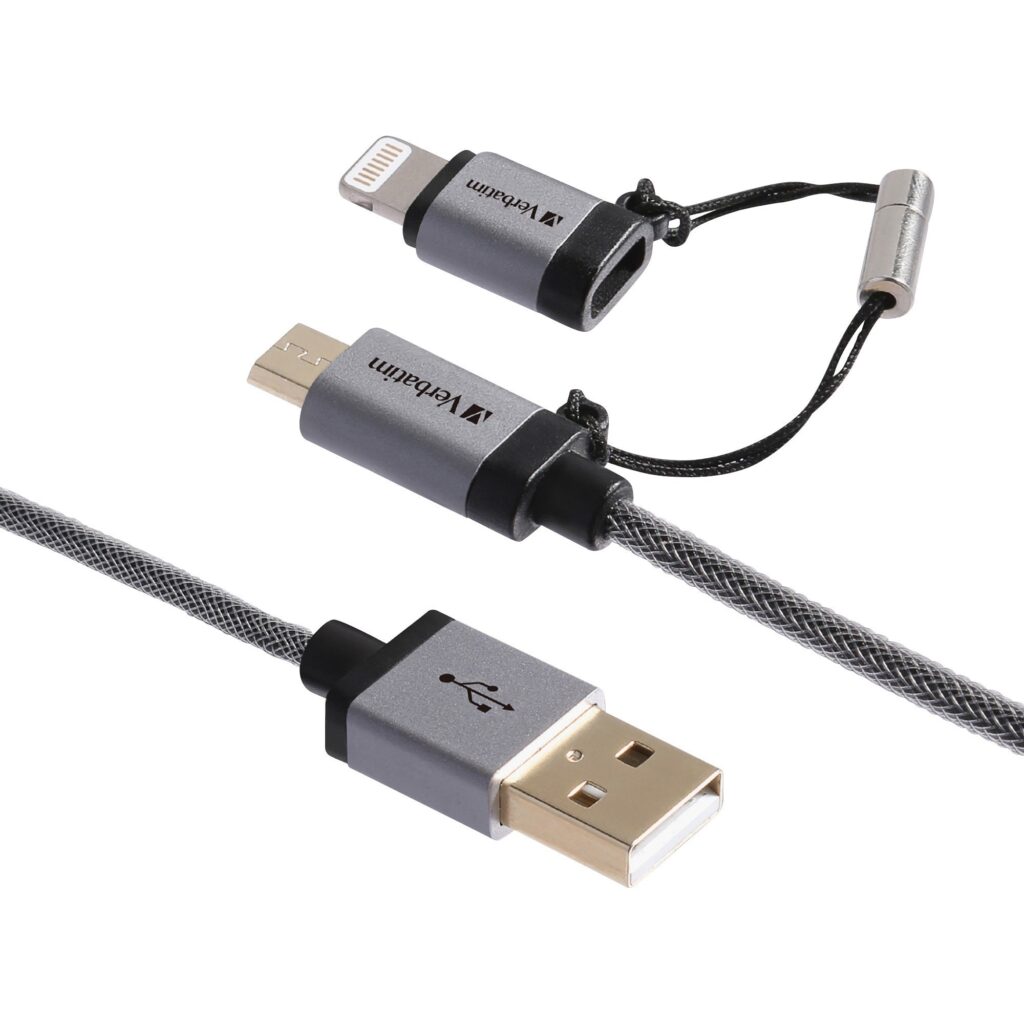
Micro USB cables are compact connectors designed for data transfer and charging. They feature a small, rectangular shape that allows them to connect to a wide range of devices, including smartphones, tablets, cameras, and other portable electronics. The design of the micro USB connector has made it a popular choice for manufacturers, leading to its widespread adoption across various devices.
Common Uses and Applications
Micro USB data cables are primarily used for two main functions: charging devices and transferring data.
Charging is perhaps the most recognized use of micro USB cables. They are commonly used to power smartphones and tablets, allowing users to recharge their devices quickly and efficiently. Many portable chargers and power banks also utilize micro USB ports, making them versatile for on-the-go charging.
Data transfer is another critical application. Micro USB cables enable users to connect their devices to computers for file transfers, backups, and syncing. This functionality is essential for users who need to manage their data, whether it be photos, videos, or documents. Additionally, micro USB cables are often used in conjunction with various peripherals, such as keyboards and mice, enhancing the functionality of mobile devices.
Performance Characteristics
When it comes to performance, micro USB cables typically conform to the USB 2.0 standard, which supports data transfer speeds of up to 480 Mbps. This speed is sufficient for most everyday tasks, such as transferring photos or syncing music. However, it is worth noting that newer standards, like USB 3.0 and USB-C, offer significantly higher speeds, which may lead some users to consider alternatives.
Despite this, micro USB cables are known for their reliability and durability. Many manufacturers have designed cables with reinforced connectors and tangle-free designs, ensuring they can withstand daily wear and tear. This durability is particularly important for users who frequently connect and disconnect their devices.
Device Compatibility
One of the standout features of micro USB cables is their compatibility with a wide range of devices. They are commonly found in smartphones, tablets, e-readers, and even some gaming controllers. This universality means that users can often use a single cable for multiple devices, reducing clutter and simplifying charging solutions.
However, as technology evolves, some manufacturers have begun to phase out micro USB in favor of USB-C connectors. While USB-C offers several advantages, including faster data transfer speeds and a reversible design, many devices still rely on micro USB. This ongoing compatibility ensures that micro USB cables remain relevant in a rapidly changing tech landscape.
History and Evolution of Micro USB
The micro USB standard was introduced in 2007 as part of an effort to create a universal charging solution for mobile devices. Before its introduction, various manufacturers used different connectors, leading to a fragmented market. The adoption of micro USB helped streamline the charging process, allowing users to utilize a single cable for multiple devices.
Over the years, micro USB has undergone several iterations, including the introduction of the On-The-Go (OTG) feature, which allows devices to act as both hosts and peripherals. This capability has expanded the functionality of micro USB cables, enabling users to connect devices like USB flash drives directly to their smartphones.
Despite the rise of USB-C, which offers enhanced features and performance, micro USB remains widely used. Many budget-friendly devices continue to utilize micro USB, ensuring its place in the market for the foreseeable future.
Alternatives to Micro USB Cables
As technology progresses, several alternatives to micro USB cables have emerged. The most notable is the USB-C connector, which offers several advantages over micro USB. USB-C supports faster data transfer speeds, higher power delivery for charging, and a reversible design that simplifies connections.
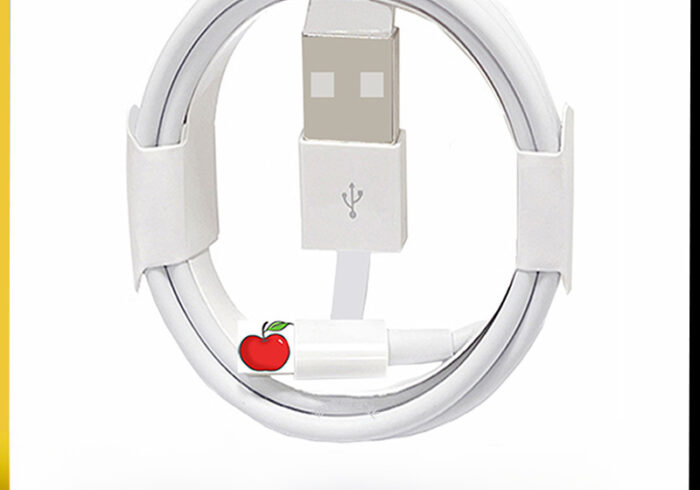
Another alternative is the Lightning connector, used exclusively by Apple devices. While Lightning cables are not compatible with non-Apple products, they offer similar benefits to USB-C in terms of performance and ease of use.
Despite these alternatives, micro USB cables remain a cost-effective solution for many users. They are widely available and often come at a lower price point than their newer counterparts, making them an attractive option for budget-conscious consumers.
Conclusion
Micro USB data cables have played a significant role in the evolution of technology, providing a reliable means of charging and data transfer for a wide range of devices. Their compatibility, performance, and historical significance ensure that they remain relevant in today’s tech landscape, even as newer technologies emerge. While alternatives like USB-C and Lightning connectors offer enhanced features, micro USB cables continue to serve millions of users worldwide.
How to purchase:https://looperbuy.com/search?keywords=Micro+USB+Data+Cables
Frequently Asked Questions
1. What devices commonly use micro USB data cables?
Micro USB cables are commonly used with smartphones, tablets, cameras, e-readers, and various peripherals like keyboards and mice.
2. How fast can micro USB data cables transfer data?
Micro USB cables typically support data transfer speeds of up to 480 Mbps, conforming to the USB 2.0 standard.
3. Are micro USB cables still relevant today?
Yes, micro USB cables remain relevant, especially for budget devices and older technology, despite the rise of USB-C.
4. What are the main advantages of using micro USB cables?
The main advantages include their widespread compatibility, reliability, and cost-effectiveness compared to newer cable types.
5. Can I use a micro USB cable to charge my device?
Yes, micro USB cables are primarily used for charging devices, making them essential for powering smartphones and tablets.