Data cables are a fundamental component of modern communication systems, enabling the transfer of information between devices. As technology continues to evolve, understanding the various types of data cables, their uses, installation methods, and advancements is crucial for anyone involved in networking or technology. This article will explore these aspects in detail, providing a comprehensive overview of data cables.
Table of Contents
Understanding Data Cables
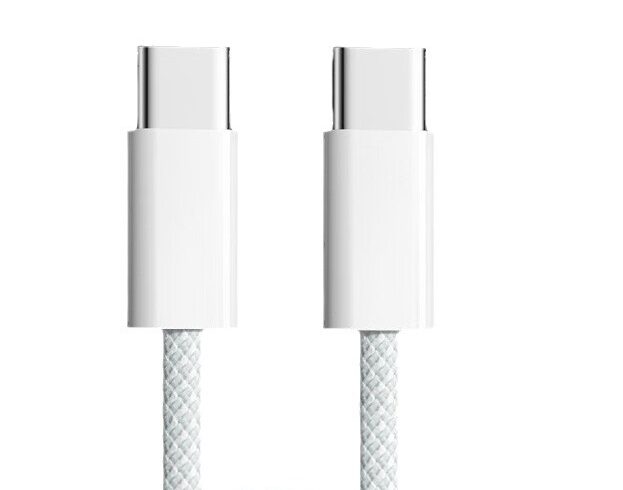
Data cables are used to transmit data between devices, such as computers, routers, and switches. They come in various types, each designed for specific applications and environments. The choice of data cable can significantly impact the performance and reliability of a network.
Types of Data Cables
Data cables can be categorized into several types, each with unique characteristics and uses. The most common types include:
Twisted Pair Cables
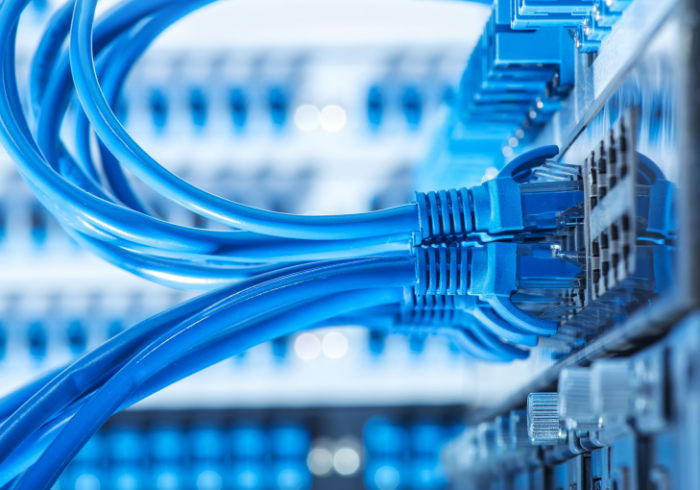
Twisted pair cables are the most widely used data cables in networking. They consist of pairs of insulated copper wires twisted together to reduce electromagnetic interference. There are two main types of twisted pair cables:
– Unshielded Twisted Pair (UTP): Commonly used in local area networks (LANs), UTP cables are cost-effective and easy to install. They are available in various categories, such as Cat5e, Cat6, and Cat6a, each supporting different data transmission speeds and frequencies.
– Shielded Twisted Pair (STP): These cables have additional shielding to protect against interference, making them suitable for environments with high electromagnetic interference.
Coaxial Cables
Coaxial cables consist of a central conductor surrounded by insulation, a metallic shield, and an outer insulating layer. They are commonly used for cable television and internet connections. Coaxial cables can transmit data over longer distances compared to twisted pair cables, making them ideal for certain applications.
Fiber Optic Cables
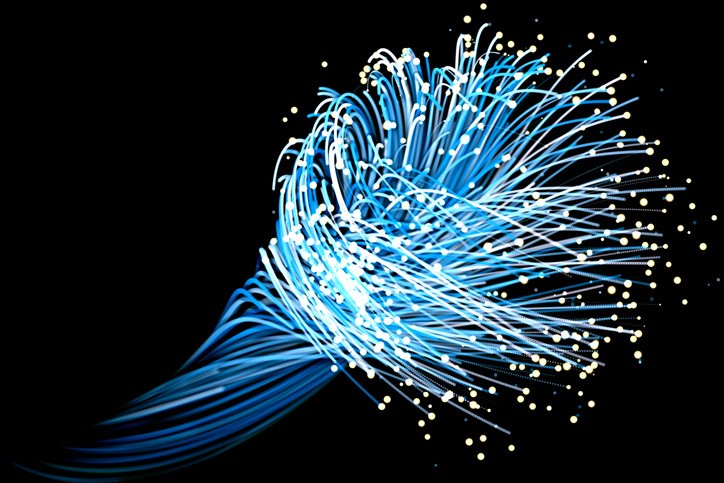
Fiber optic cables use light to transmit data, allowing for extremely high-speed data transfer over long distances. They are immune to electromagnetic interference and are ideal for high-bandwidth applications. Fiber optic cables come in two main types:
– Single-Mode Fiber: Designed for long-distance communication, single-mode fiber has a small core that allows only one mode of light to propagate.
– Multi-Mode Fiber: Suitable for shorter distances, multi-mode fiber has a larger core that allows multiple modes of light to propagate, making it less expensive but limited in distance.
Common Uses of Data Cables
Data cables are used in various applications, including:
– Networking: Connecting computers, routers, and switches in local area networks (LANs) and wide area networks (WANs).
– Telecommunications: Facilitating communication between telephones and other devices.
– Data Centers: Connecting servers and storage devices to ensure efficient data transfer.
– Home Entertainment: Connecting devices such as televisions, gaming consoles, and streaming devices to the internet.
How to Install Data Cables
Proper installation of data cables is crucial for ensuring optimal performance and reliability. Here are some key steps to consider when installing data cables:
Planning the Installation
Before installation, it is essential to plan the layout of the cables. Consider the following factors:
– Cable Type: Choose the appropriate type of cable based on the application and environment.
– Distance: Measure the distance between devices to determine the length of cable needed.
– Interference: Identify potential sources of interference and plan the cable routing accordingly.
Running the Cables
When running data cables, follow these best practices:
– Avoid Sharp Bends: Cables should not be bent sharply, as this can damage the internal wires and affect performance.
– Use Cable Management: Organize cables using cable ties or trays to prevent tangling and ensure a neat installation.
– Label Cables: Labeling cables can help with troubleshooting and future upgrades.
Testing the Installation
After installation, it is crucial to test the cables to ensure they are functioning correctly. Use a cable tester to check for continuity, signal strength, and any potential issues.
Technological Advancements in Data Cables
The field of data cables is continuously evolving, driven by advancements in technology and the increasing demand for faster and more reliable data transmission. Some notable trends include:
Increased Bandwidth
As applications require higher data transfer rates, data cables are being developed to support increased bandwidth. For example, newer categories of twisted pair cables, such as Cat6a and Cat7, can support speeds of up to 10 Gbps and beyond.
Enhanced Durability
Advancements in materials and manufacturing processes have led to the development of more durable data cables. These cables are designed to withstand harsh environments, making them suitable for industrial applications.
Improved Installation Techniques
New installation techniques and tools are being developed to simplify the process of installing data cables. For instance, pre-terminated cables and modular connectors can reduce installation time and improve reliability.
Integration with Smart Technologies
As smart technologies become more prevalent, data cables are being designed to integrate seamlessly with these systems. This includes cables that support Power over Ethernet (PoE), allowing devices to receive power and data through a single cable.

Conclusion
Data cables are an essential component of modern communication systems, enabling the transfer of information between devices. Understanding the different types of data cables, their uses, installation methods, and technological advancements is crucial for anyone involved in networking or technology. As the demand for faster and more reliable data transmission continues to grow, staying informed about the latest developments in data cables will be vital for ensuring optimal performance in various applications.
How To Purchase:https://looperbuy.com/search?keywords=data+cables
Frequently Asked Questions
1.What are the main types of data cables?
The main types of data cables include twisted pair cables (UTP and STP), coaxial cables, and fiber optic cables.
2.How do I choose the right data cable for my needs?
Consider factors such as the application, distance, and potential interference when selecting a data cable.
3.What is the maximum distance for data transmission using twisted pair cables?
Typically, twisted pair cables can transmit data effectively up to 100 meters for most applications.
4.Can I install data cables myself?
Yes, with proper planning and tools, you can install data cables yourself, but it is essential to follow best practices to ensure optimal performance.
5.What advancements are being made in data cable technology?
Recent advancements include increased bandwidth capabilities, enhanced durability, improved installation techniques, and integration with smart technologies.