Table of Contents
Introduction to E-Commerce and Dropshipping
In the rapidly evolving world of e-commerce, businesses are constantly seeking innovative solutions to meet consumer demands and enhance operational efficiency. One of the most popular methods for achieving this is dropshipping, a fulfillment model that allows retailers to sell products without holding inventory. This article explores the best practices for dropshipping, the tools available to streamline the process, and how businesses can leverage these strategies to succeed in the competitive online marketplace.
Understanding Dropshipping
What is Dropshipping?
Dropshipping is a retail fulfillment method where a store does not keep the products it sells in stock. Instead, when a customer places an order, the retailer purchases the item from a third-party supplier, who then ships it directly to the customer. This model eliminates the need for inventory management and reduces overhead costs, making it an attractive option for many entrepreneurs.
How Dropshipping Works
- Customer Orders: A customer places an order on the retailer’s website.
- Order Processing: The retailer forwards the order details to the supplier.
- Supplier Fulfillment: The supplier ships the product directly to the customer.
- Profit Margin: The retailer earns a profit by marking up the price of the product.
Benefits of Dropshipping
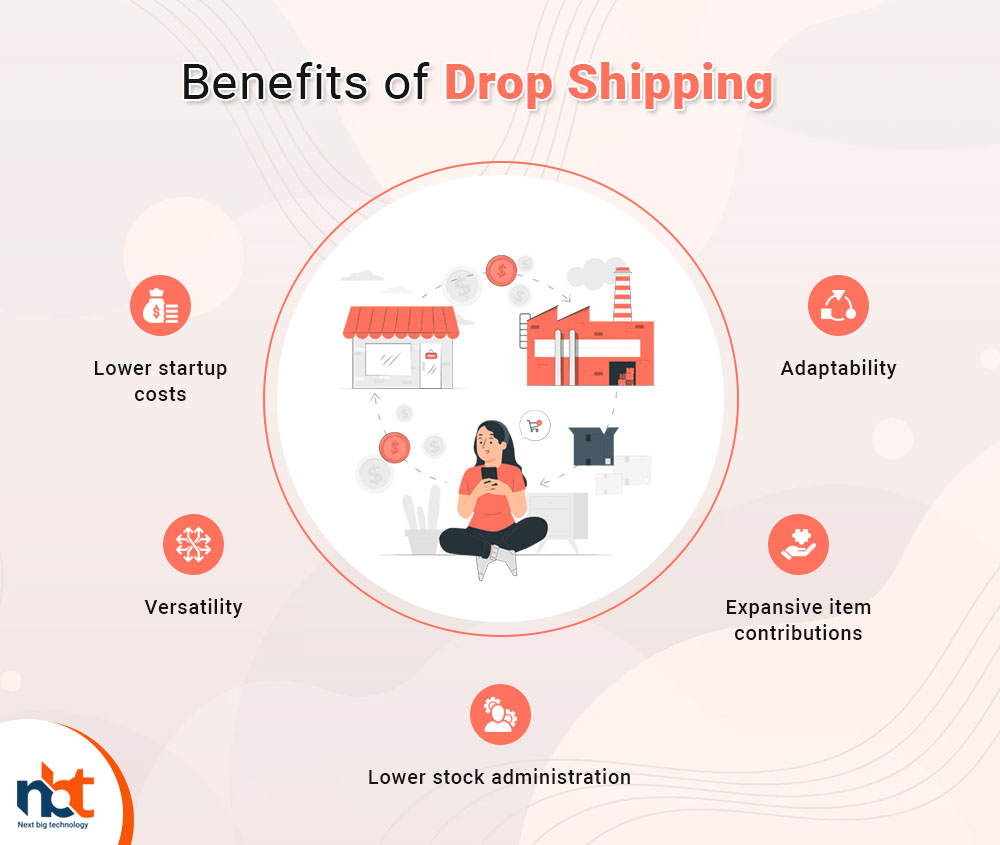
- Low Startup Costs: Entrepreneurs can start a dropshipping business with minimal investment, as there is no need to purchase inventory upfront.
- Flexibility: Dropshipping allows businesses to offer a wide range of products without the constraints of physical inventory.
- Scalability: As sales increase, businesses can easily scale operations without the need for additional warehousing or logistics.
Choosing the Right Dropshipping App for Shopify
The Importance of a Reliable Dropshipping App
For businesses using Shopify, selecting the right dropshipping app is crucial for streamlining operations and ensuring a smooth fulfillment process. A reliable app can automate various tasks, from product sourcing to order management, allowing entrepreneurs to focus on growing their business.
Key Features to Look For
- User-Friendly Interface: The app should be easy to navigate, allowing users to manage their store efficiently.
- Integration Capabilities: Look for apps that seamlessly integrate with Shopify and other essential tools, such as inventory management and customer relationship management (CRM) systems.
- Product Sourcing Options: The app should provide access to a wide range of suppliers and products, enabling businesses to diversify their offerings.
Top Dropshipping Apps for Shopify
- Oberlo: Oberlo is one of the most popular dropshipping apps for Shopify, allowing users to easily import products from suppliers and automate order fulfillment. Its user-friendly interface and extensive product catalog make it a top choice for many entrepreneurs.
- Spocket: Spocket focuses on connecting retailers with suppliers based in the US and Europe, ensuring faster shipping times and higher quality products. Its integration with Shopify allows for seamless order management and inventory tracking.
- Printful: For businesses looking to sell custom products, Printful offers print-on-demand services that integrate with Shopify. Users can create and sell personalized items without the need for inventory, making it an excellent option for creative entrepreneurs.
- Looperbuy: As a comprehensive dropshipping platform, Looperbuy streamlines the order fulfillment process with features like consolidated shipping, enabling faster delivery times of 7-10 days and no hidden fees, making it an ideal choice for e-commerce entrepreneurs looking to enhance customer satisfaction and scale their businesses efficiently.
- Modalyst: Modalyst connects retailers with high-quality suppliers and offers a curated selection of products. Its integration with Shopify allows for easy product import and order fulfillment, making it a great choice for businesses focused on quality.
Best Practices for Successful Dropshipping
Optimize Your Product Selection
Choosing the right products to sell is crucial for the success of a dropshipping business. Conduct thorough market research to identify trending items and assess competition.
Tips for Product Selection
- Analyze Market Trends: Use tools like Google Trends and social media insights to identify popular products and consumer preferences.
- Evaluate Competition: Research competitors to understand their product offerings and pricing strategies.
- Test New Products: Consider starting with a small selection of products to gauge customer interest before expanding your inventory.
Streamline Order Fulfillment
Efficient order fulfillment is essential for maintaining customer satisfaction. Implementing best practices can help streamline the fulfillment process and reduce delays.
Strategies for Efficient Fulfillment
- Automate Order Processing: Use dropshipping apps that automate order processing and inventory management to minimize manual tasks.
- Communicate with Suppliers: Establish clear communication channels with suppliers to ensure timely updates on inventory levels and shipping times.
- Offer Multiple Shipping Options: Providing customers with various shipping options can enhance their experience and meet diverse needs.
Enhance Customer Service
Providing excellent customer service is vital for building trust and loyalty. Businesses should prioritize customer support to address inquiries and resolve issues promptly.
Best Practices for Customer Service
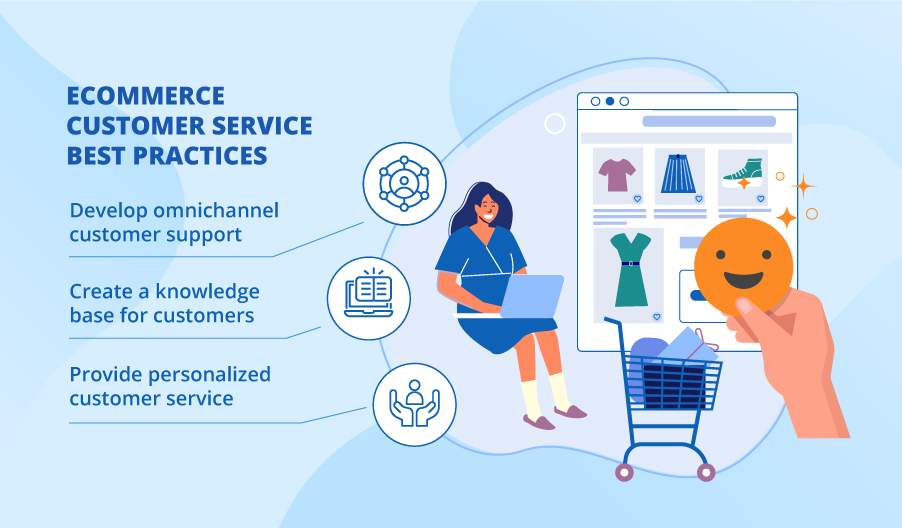
- Implement Live Chat Support: Offering live chat support can provide immediate assistance to customers, improving their overall experience.
- Create a Knowledge Base: Develop a comprehensive knowledge base with FAQs and guides to help customers find answers to common questions.
- Follow Up on Orders: Send automated emails to customers with order updates and tracking information to keep them informed throughout the fulfillment process.
Challenges in Dropshipping
Managing Supplier Relationships
Building strong relationships with suppliers is crucial for successful dropshipping. However, challenges can arise in maintaining these partnerships.
Common Supplier Challenges
- Quality Control: Ensuring product quality can be difficult when relying on third-party suppliers. Regularly request samples and conduct quality checks to mitigate this risk.
- Stock Availability: Suppliers may run out of stock unexpectedly, leading to delays in order fulfillment. Implement inventory management tools to monitor stock levels and adjust offerings accordingly.
Handling Returns and Refunds
Returns and refunds can be challenging in a dropshipping model, as retailers often have limited control over the fulfillment process.
Strategies for Managing Returns
- Establish a Clear Return Policy: Create a straightforward return policy that outlines the process for customers, including timeframes and conditions for returns.
- Communicate with Suppliers: Work closely with suppliers to ensure they understand your return policy and can accommodate returns efficiently.
- Automate Return Processes: Use software that automates return requests and tracking to streamline the process for both customers and your team.
Conclusion
Navigating the e-commerce landscape requires a strategic approach to fulfillment, particularly for businesses utilizing dropshipping. By understanding the benefits and challenges of this model, selecting the right dropshipping app, and implementing best practices, companies can optimize their operations and enhance customer satisfaction. As the e-commerce industry continues to evolve, staying informed about trends and innovations will be key to maintaining a competitive edge.
As you explore the best dropshipping solutions for your Shopify store, don’t miss the chance to discover a wide range of high-quality products at competitive prices on LooperBuy. Start your shopping journey today: https://looperbuy.com/.
Related Questions & Answers
· What are the most common mistakes businesses make when implementing drop shipping? Common mistakes include failing to research suppliers, neglecting customer service, and not managing inventory levels effectively.
· How can businesses effectively negotiate pricing with drop shipping suppliers? Businesses can negotiate by building strong relationships, ordering in bulk, and demonstrating consistent sales volume to suppliers.
· What emerging technologies are impacting e-commerce fulfillment strategies? Emerging technologies include AI for predictive analytics, automation tools for order processing, and blockchain for enhanced transparency in supply chains.
· How can businesses improve their customer service in a dropshipping model? Implementing live chat support, creating a knowledge base, and providing timely order updates can significantly enhance customer service.
· What are the key performance indicators (KPIs) for measuring fulfillment success? KPIs include order accuracy, shipping times, customer satisfaction scores, and return rates, which help assess the effectiveness of fulfillment strategies.
Hot Tags: E-Commerce; Dropshipping; Fulfillment Strategies; Inventory Management; Customer Service; Shipping Solutions; B2B Sourcing; Market Trends; Online Retail