In the rapidly evolving world of e-commerce, dropshipping has emerged as a popular business model for aspiring entrepreneurs. However, with its rise comes a myriad of questions regarding its legality and ethical implications. This article aims to explore the intricacies of dropshipping, addressing common concerns and misconceptions while providing a comprehensive understanding of its legal standing.
Table of Contents
What is Dropshipping?
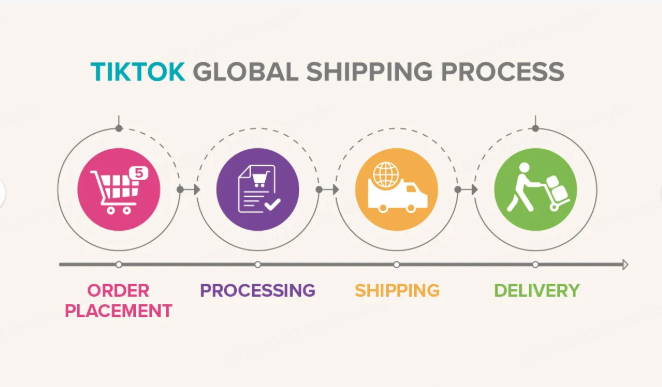
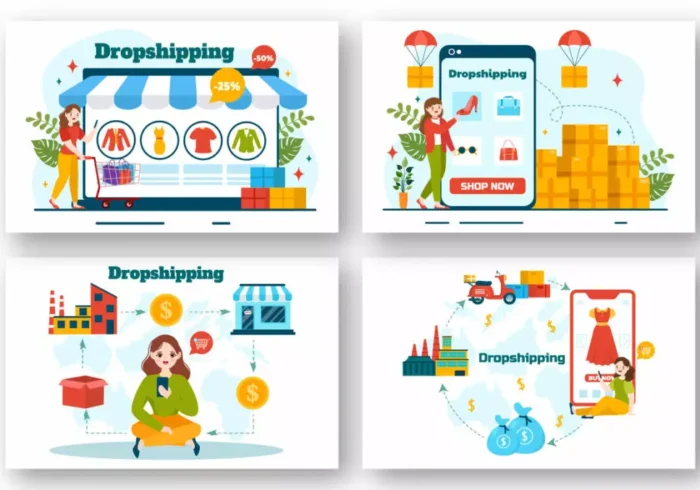
Dropshipping is a retail fulfillment method where a store does not keep the products it sells in stock. Instead, when a store sells a product, it purchases the item from a third party and has it shipped directly to the customer. This model allows entrepreneurs to start a business without the need for significant upfront investment in inventory.
How Dropshipping Works
- Customer Orders: A customer places an order on the dropshipping store.
- Order Forwarding: The store owner forwards the order details to the supplier.
- Supplier Fulfillment: The supplier ships the product directly to the customer.
- Profit Margin: The store owner keeps the difference between the retail price and the wholesale price.
Benefits of Dropshipping
- Low Startup Costs: Entrepreneurs can start a business with minimal investment.
- Flexibility: Dropshipping allows for a flexible work environment, as it can be managed from anywhere with an internet connection.
- Wide Product Range: Store owners can offer a diverse range of products without the need for inventory.
Legal Considerations in Dropshipping
While dropshipping is a legitimate business model, it is essential to understand the legal implications involved. Here are some key areas to consider:
Business Registration and Licensing
Before starting a dropshipping business, it is crucial to register your business and obtain any necessary licenses. The requirements vary by country and region, so it is essential to research local regulations.
- Business Structure: Decide on a business structure (e.g., sole proprietorship, LLC) that suits your needs.
- Licenses and Permits: Check if you need specific licenses to operate your business legally.
Tax Obligations
Dropshipping businesses are subject to various tax obligations, including sales tax and income tax. Understanding these obligations is crucial to avoid legal issues.
- Sales Tax: Depending on your location and where your customers are located, you may need to collect sales tax on your sales.
- Income Tax: As a business owner, you are responsible for reporting your income and paying taxes accordingly.
Intellectual Property Rights
One of the most significant legal concerns in dropshipping is the potential infringement of intellectual property rights. This includes trademarks, copyrights, and patents.
- Product Images and Descriptions: Ensure that you have the right to use product images and descriptions provided by suppliers. Using copyrighted material without permission can lead to legal issues.
- Branding: Avoid using brand names or logos without authorization, as this can result in trademark infringement.
Ethical Considerations in Dropshipping
Beyond legality, ethical considerations play a crucial role in the dropshipping business model. Entrepreneurs should strive to operate their businesses with integrity and transparency.
Supplier Relationships
Building strong relationships with suppliers is essential for a successful dropshipping business. Ensure that your suppliers adhere to ethical practices, including fair labor conditions and environmentally friendly production methods.
- Research Suppliers: Vet suppliers to ensure they meet ethical standards.
- Transparency: Be transparent with customers about where products are sourced and how they are made.
Customer Service
Providing excellent customer service is vital for maintaining a positive reputation. Address customer inquiries and concerns promptly and professionally.
- Clear Policies: Establish clear return and refund policies to manage customer expectations.
- Communication: Keep customers informed about order status and any potential delays.
Common Misconceptions About Dropshipping Legality
Despite its legitimacy, several misconceptions about dropshipping persist. Here are some common myths and the truths behind them:
Myth 1: Dropshipping is a Scam
Many people mistakenly believe that dropshipping is a scam or a get-rich-quick scheme. In reality, dropshipping is a legitimate business model used by countless entrepreneurs worldwide.
Myth 2: You Don’t Need to Worry About Legal Issues
While dropshipping is legal, it does come with legal responsibilities. Entrepreneurs must be aware of their obligations regarding taxes, licensing, and intellectual property rights.
Myth 3: All Suppliers are Reliable
Not all suppliers are created equal. It is essential to research and vet suppliers to ensure they are reliable and ethical. Working with untrustworthy suppliers can lead to legal issues and damage your business reputation.
Conclusion
In conclusion, dropshipping is a legal and viable business model when approached with the right knowledge and practices. Entrepreneurs must understand the legal obligations, ethical considerations, and common misconceptions surrounding dropshipping to operate successfully. By adhering to legal requirements and maintaining ethical standards, dropshippers can build a sustainable and reputable business in the e-commerce landscape.
As you explore the world of dropshipping, remember that finding the right products is key to your success; discover a diverse selection of trending items that can elevate your e-commerce store at https://looperbuy.com/.
Related Questions & Answers
· Is dropshipping legal in all countries? Dropshipping is generally legal, but specific regulations may vary by country. It is essential to research local laws and regulations before starting a dropshipping business.
· Do I need a business license to start dropshipping? Yes, most regions require you to register your business and obtain any necessary licenses to operate legally.
· How do I handle taxes for my dropshipping business? You must understand your tax obligations, including sales tax and income tax, and ensure compliance with local tax laws.
· What are the risks of dropshipping? Risks include potential legal issues related to intellectual property, reliance on suppliers for product quality, and challenges in customer service.
· Can I use supplier images for my dropshipping store? You should ensure you have permission to use supplier images and descriptions to avoid copyright infringement. Always check with your supplier for usage rights.
Hot Tags: Dropshipping Legality; E-Commerce Business; Online Retail; Business Registration; Tax Obligations; Intellectual Property; Supplier Relationships; Customer Service; Ethical Practices